





Diplomatic Trade Negotiations in New Delhi
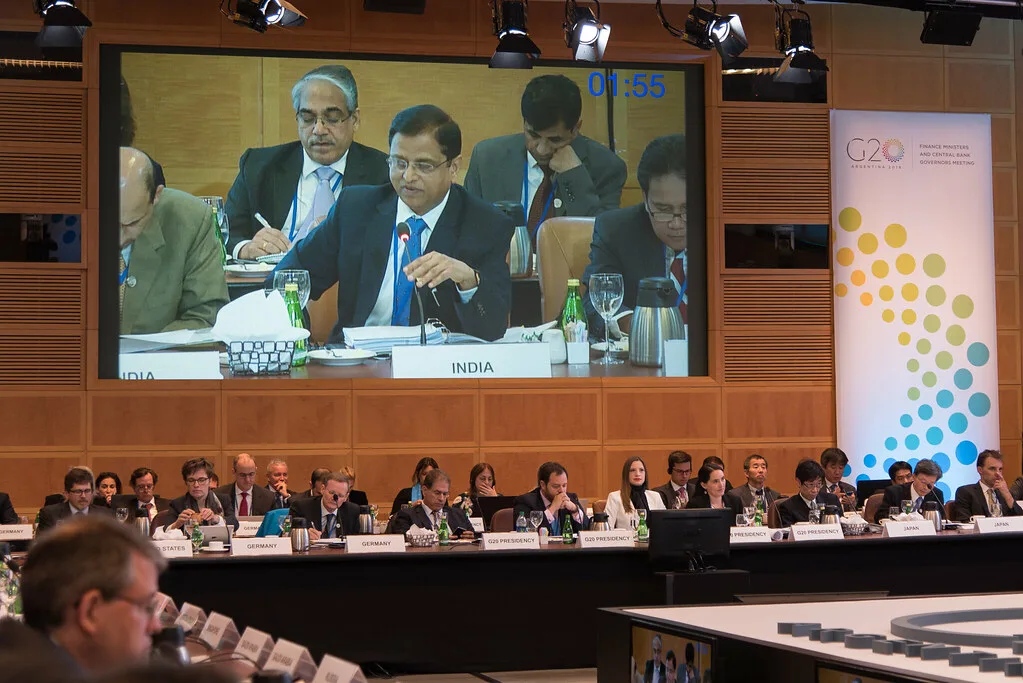
A high-level United States trade delegation visiting New Delhi this week is reportedly exploring an interim trade agreement aimed at stabilizing economic relations between the two nations. The proposal suggests locking in India’s current tariff structures to insulate the country from potential Section 301 investigations, which grant the U.S. authority to impose penalties against nations deemed to engage in unfair trade practices.
Context of the Bilateral Economic Relationship
The discussions arrive at a pivotal moment as both countries look to deepen their strategic partnership while navigating long-standing trade frictions. Historically, the U.S. has expressed concerns regarding India’s domestic protectionist measures, while New Delhi has sought greater market access for its agricultural and pharmaceutical exports. The current talks represent a departure from broad, comprehensive negotiations, focusing instead on achievable, incremental gains that could serve as a roadmap for future collaboration.
Strategic Objectives and Tariff Adjustments
Beyond the protection from Section 301 penalties, the U.S. team is reportedly proposing a further reduction in specific tariffs linked to the ongoing effort to narrow the bilateral trade deficit. India, however, is approaching these concessions with caution, emphasizing the need for a guaranteed competitive advantage in the U.S. market. New Delhi’s negotiators are reportedly seeking clarity on whether these tariff reductions would be reciprocated with improved access for Indian goods in critical sectors like information technology and textiles.
Expert Perspectives on Trade Dynamics
Trade analysts suggest that the move toward an interim deal reflects a pragmatic shift in Washington’s approach to international commerce. According to data from the Office of the United States Trade Representative, the bilateral trade relationship has grown significantly, yet regulatory barriers continue to hinder deeper integration. Experts note that by formalizing tariff rates, the U.S. provides the predictability required for multinational corporations to shift supply chains away from other regions and into the Indian market.
Industry Implications and Market Access
For American businesses, the primary benefit of such an agreement lies in legal certainty and reduced operational volatility. By shielding India from Section 301 penalties, the U.S. effectively incentivizes New Delhi to maintain a more open regulatory environment. Conversely, Indian domestic industries remain concerned that aggressive tariff cuts could expose local manufacturers to intense foreign competition, creating a delicate balancing act for government officials in New Delhi.
Future Outlook and Monitoring Progress
Looking ahead, stakeholders should monitor whether these negotiations result in a signed memorandum of understanding before the end of the fiscal year. The success of this interim deal will likely hinge on the specific items included in the tariff-reduction schedule and the extent to which both governments can appease domestic interest groups. If finalized, the agreement could set a precedent for how the United States manages trade relationships with emerging economies, prioritizing stability and supply chain resilience over the pursuit of comprehensive free trade agreements.