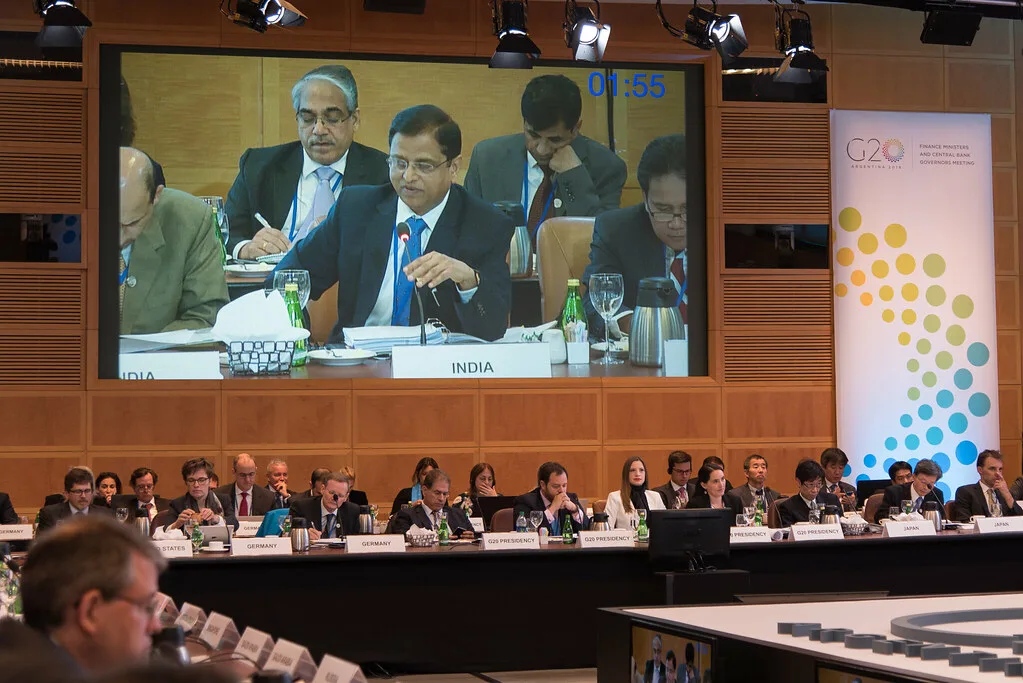






India and Oman will officially implement the Comprehensive Economic Partnership Agreement (CEPA) this coming Monday, marking a pivotal shift in bilateral trade relations. The agreement, signed earlier this year, aims to eliminate tariffs on a vast array of goods and services, effectively deepening economic integration between the two nations. This strategic move is designed to boost Indian exports in sectors such as engineering, electronics, and textiles while simultaneously solidifying New Delhi’s geopolitical influence within the Gulf region.
A Strategic Economic Pivot
The implementation of the CEPA arrives at a time when India is aggressively seeking to diversify its trade partners and reduce dependency on traditional markets. Oman serves as a vital gateway for India into the Middle Eastern and North African markets due to its strategic location on the Arabian Sea. For years, the two nations have maintained strong diplomatic ties, but the new trade framework elevates this partnership to a formal, institutionalized economic alliance.
By removing trade barriers, the agreement is expected to significantly reduce the cost of doing business for Indian exporters. Currently, many Indian products face high customs duties in the Gulf, which puts them at a competitive disadvantage compared to regional suppliers. The CEPA seeks to level this playing field, granting Indian manufacturers preferential access to Omani markets.
Key Sectors and Economic Impact
The deal encompasses a broad range of sectors, with a particular focus on high-growth industries. Engineering goods, chemicals, and agricultural produce are among the primary beneficiaries expected to see immediate gains. Analysts note that the agreement also includes provisions for digital trade and investment protection, which are essential for attracting foreign direct investment (FDI) into India’s emerging tech sector.
Data from the Indian Ministry of Commerce indicates that bilateral trade between India and Oman reached approximately $12 billion in the previous fiscal year. With the CEPA in effect, officials project that this figure could double within the next five years. The pact is not merely about volume; it is about value-added trade, moving away from simple commodity exchanges toward more complex manufacturing and service-based partnerships.
Expert Perspectives and Industry Outlook
Economic analysts suggest that the agreement will play a crucial role in India’s ‘Make in India’ initiative. By securing a reliable export destination in the Gulf, Indian firms can scale their operations with greater confidence. Furthermore, Oman stands to benefit from India’s expertise in information technology and renewable energy, sectors where New Delhi has made significant strides in recent years.
However, some trade experts caution that the true success of the CEPA will depend on the speed of implementation for non-tariff measures. Streamlining customs procedures and ensuring regulatory alignment will be just as important as the elimination of tariffs. If both nations can effectively harmonize their standards, the partnership could serve as a model for future trade agreements in the region.
Future Implications and Regional Stability
Looking ahead, the implementation of this agreement signals a strengthening of the ‘Look West’ policy pursued by the Indian government. As global supply chains continue to reconfigure, the India-Oman corridor is poised to become an essential artery for energy security and maritime trade. Observers should monitor the upcoming joint committee meetings, which will oversee the pact’s performance and address any potential friction points in real-time.
The long-term success of this deal will also likely influence other Gulf Cooperation Council (GCC) member states, potentially paving the way for a broader India-GCC free trade agreement. As the two nations align their economic trajectories, the geopolitical landscape of the Indian Ocean region is expected to remain stable, fostering an environment conducive to sustained cross-border investment.