




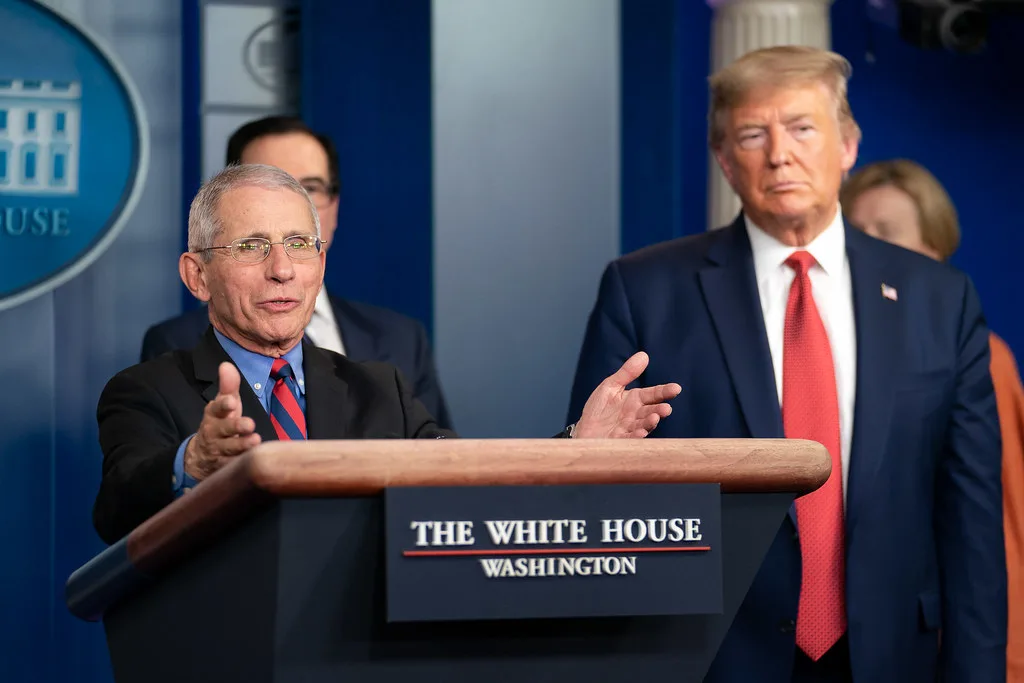
President Donald Trump confirmed on May 6 that the United States intends to secure enriched uranium currently held by Iran, marking a significant development in the ongoing geopolitical tensions surrounding the nation’s nuclear program. Speaking to reporters outside a White House event, the President stated definitively that the U.S. would acquire the material, though he provided no specific details regarding the mechanism or timeline for this transfer.
This development follows a series of military strikes launched by the United States against Iranian targets that commenced on February 28. The administration has cited the prevention of nuclear proliferation as a primary driver for these actions, aiming to neutralize the regime’s capacity to develop atomic weaponry.
Context of the Nuclear Standoff
The Iranian nuclear program has been a central point of contention in international diplomacy for decades. Iran currently possesses approximately 900 pounds of enriched uranium, a substance that serves as a critical component in both energy production and, at higher enrichment levels, the creation of nuclear warheads.
The current administration’s strategy involves linking the acquisition of this stockpile to broader proposals intended to de-escalate the regional conflict. These proposals also include the reopening of the Strait of Hormuz, a vital maritime chokepoint for global oil supplies that has faced significant disruption due to recent military activities.
Strategic Objectives and Military Pressure
Military analysts suggest that the pressure campaign against Iran is designed to create leverage for a new diplomatic framework. By targeting nuclear facilities and infrastructure, the U.S. government seeks to force the Iranian leadership to forfeit its enriched materials under the threat of continued kinetic operations.
Data from international monitors has consistently tracked the growth of Iran’s stockpile over the past year. The U.S. objective remains the total removal of these materials from Iranian soil, viewing the stockpile as an existential threat to regional stability and American interests.
Industry and Global Implications
For the global energy market, the potential resolution of the conflict in the Strait of Hormuz represents a significant shift. The reopening of this route would likely stabilize oil prices, which have fluctuated significantly in response to the volatility in the Middle East since late February.
However, the logistical challenge of transferring 900 pounds of enriched uranium remains immense. Experts in nuclear non-proliferation caution that the transport and storage of such volatile material require highly specialized protocols and international oversight to ensure security and prevent accidental exposure or theft.
What to Watch Next
Moving forward, the primary focus for international observers will be the specific terms of the deal—if one is finalized—and the involvement of international regulatory bodies like the International Atomic Energy Agency (IAEA). Analysts are watching to see if the Iranian government will voluntarily comply with the demand or if further military or economic pressure will be applied to facilitate the transfer of the material.