




The Scale of the Terafab Initiative
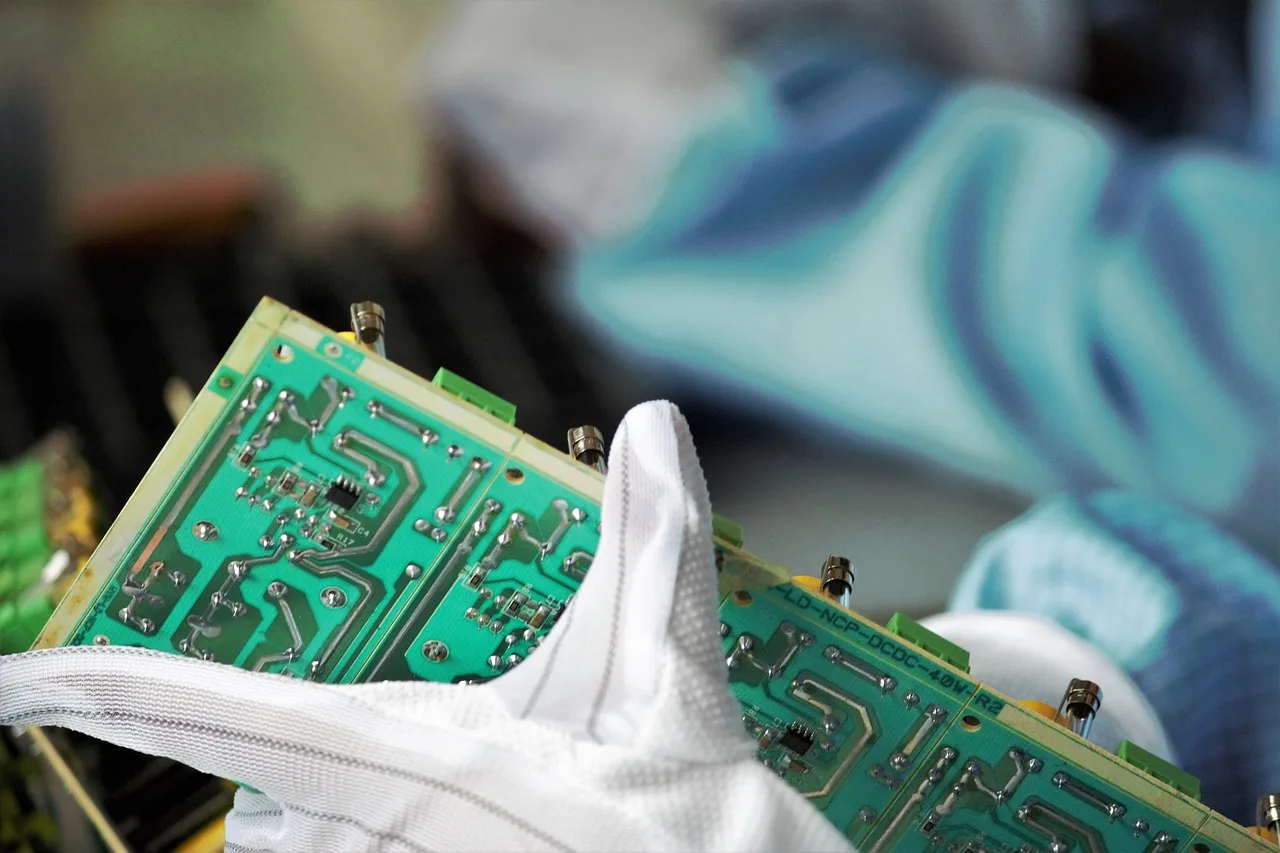
SpaceX has officially disclosed that its planned semiconductor manufacturing complex in Grimes County, Texas, will require an initial investment of at least $55 billion. The project, publicly identified as ‘Terafab,’ represents a massive strategic pivot for the aerospace company as it seeks to secure a domestic supply of high-performance artificial intelligence chips.
According to a public notice filed on May 5, the project’s total capital expenditure could balloon to $119 billion if subsequent expansion phases are executed. This initiative marks a significant expansion into the domestic chip manufacturing sector for Elon Musk’s conglomerate of companies.
Context and Strategic Collaboration
The Terafab project was first teased by Elon Musk in March as a collaborative venture between SpaceX, the artificial intelligence firm xAI, and electric vehicle manufacturer Tesla. The partnership aims to streamline the development and production of specialized silicon required for next-generation autonomous technologies.
In April, the coalition gained significant industrial momentum when Intel joined as a primary technical partner. By integrating Intel’s manufacturing expertise with the specific design requirements of Musk’s companies, the project seeks to bypass global supply chain bottlenecks that have historically plagued the high-tech sector.
Technological Objectives and AI Integration
The facility is designed to manufacture ultra-high-performance AI chips specifically tailored for extreme computing environments. These processors are intended to power Tesla’s Optimus humanoid robots and the company’s forthcoming autonomous Robotaxi fleet.
Beyond terrestrial applications, the hardware will serve as the backbone for space-optimized computing systems. SpaceX plans to integrate these chips into its satellite constellations, enabling the company to process complex AI workloads directly in orbit rather than relying on ground-based data centers.
Industry Perspectives and Economic Impact
Industry analysts view the $55 billion valuation as a reflection of the intense competition for domestic semiconductor capacity. With the U.S. government incentivizing local chip production through initiatives like the CHIPS Act, the Terafab project aligns with broader national efforts to re-shore critical technology manufacturing.
Data from the semiconductor industry indicates that the demand for AI-specific logic chips is currently outstripping supply. By building a dedicated ‘Giga-factory’ style facility for silicon, Musk’s companies are positioning themselves to control their own vertical supply chain, reducing reliance on third-party foundries.
Future Implications for the Tech Sector
The success of the Terafab project will likely dictate the timeline for the commercial rollout of Tesla’s autonomous driving and robotics initiatives. Observers are now watching for further details regarding the project’s construction timeline and the specific manufacturing nodes the facility will employ.
As construction progresses, the industry will monitor whether this massive capital injection succeeds in creating a new standard for orbital and autonomous hardware. The long-term impact on the global semiconductor market remains to be seen, particularly as other tech giants consider similar vertical integration strategies to secure their supply chains.