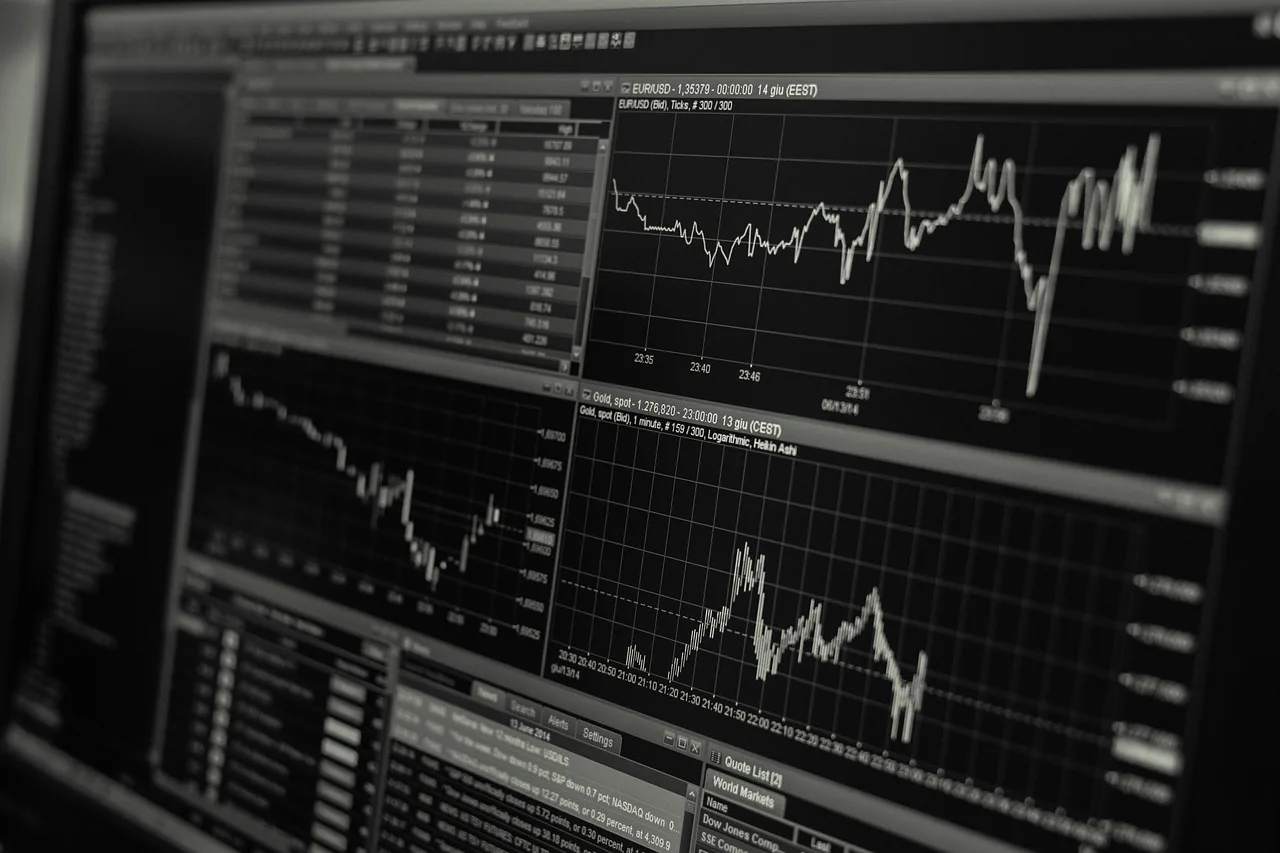






In an unprecedented economic disconnect, U.S. stock markets are currently reaching record highs while consumer sentiment remains at some of the lowest levels recorded in the past seven decades. As of mid-2024, the S&P 500 has surged to historic peaks, yet polling data from the University of Michigan indicates that public perception of the economy remains deeply pessimistic, mirroring the gloom of past recessions rather than the optimism typically associated with bull markets.
The Growing Economic Disconnect
This divergence between financial indices and public morale represents a significant departure from historical norms. Typically, stock market performance acts as a leading indicator of consumer confidence, as rising portfolios usually correlate with increased household wealth and spending power.
However, the current reality involves a complex interplay of post-pandemic inflation and interest rate volatility. While investors have been buoyed by the rapid expansion of artificial intelligence technologies and corporate earnings growth, the average American household continues to struggle with the cumulative effects of higher grocery, housing, and insurance costs.
The Impact of Persistent Inflation
Data from the Bureau of Labor Statistics shows that while inflation rates have decelerated from their 2022 peaks, the absolute price levels for essential goods remain significantly higher than they were four years ago. This phenomenon, often termed “price stickiness,” erodes the purchasing power of middle-class families regardless of stock market gains.
Financial experts note that stock ownership remains highly concentrated in the top 10% of households. Consequently, the “wealth effect” that usually boosts national optimism is not trickling down to the broader population, leaving a significant portion of the public feeling left behind by the current rally.
Expert Perspectives on Sentiment
Economists argue that sentiment is often driven by the “vibecession”—a term coined to describe the gap between hard economic data and subjective feelings of economic well-being. According to recent surveys, even as unemployment remains near historic lows, wage growth has only recently begun to outpace the rise in the Consumer Price Index.
“The market is looking at future earnings potential for corporations, while the average person is looking at their bank statement at the checkout counter,” says Dr. Elena Vance, a senior analyst at the Global Economic Research Institute. This friction creates a psychological barrier that prevents the stock market’s success from translating into a sense of national prosperity.
Implications for Future Outlook
For investors, this disconnect poses a unique challenge: should they trust the bullish signals of the stock market or the bearish sentiment of the consumer? The industry is now bracing for a potential shift as the Federal Reserve weighs future interest rate adjustments.
If consumer confidence does not improve, corporations may eventually face a decline in demand, which could threaten the very earnings growth driving the current market rally. Observers should monitor upcoming retail sales reports and consumer credit delinquency rates as key indicators of whether the stock market will remain decoupled from the public’s economic experience or eventually face a correction to match the prevailing sentiment.