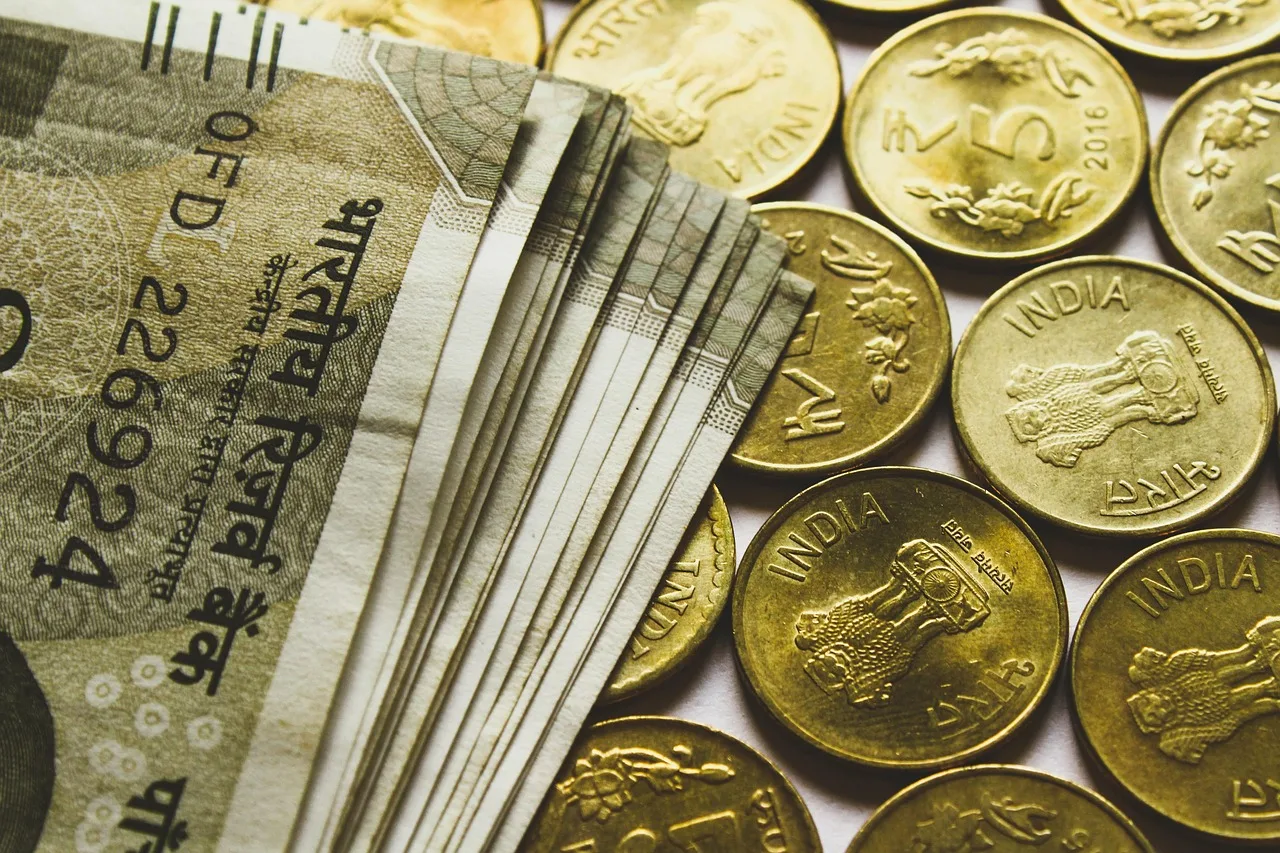








India is facing a paradoxical financial challenge as ATM operators struggle to keep machines stocked with cash, even as the nation’s currency in circulation reaches an unprecedented high of Rs 42.56 lakh crore. As of May 2026, the Reserve Bank of India (RBI) reported a 12 percent year-on-year increase in total cash, yet data from the Confederation of ATM Industry (CATMi) reveals that cash replenishment levels have plummeted, leaving many machines across the country empty.
The Growing Disconnect in Cash Logistics
The discrepancy between the availability of currency and its accessibility at the machine level has become a pressing concern for the banking sector. According to reports submitted by CATMi to the Indian Banks‘ Association (IBA), the fulfillment rate for cash replenishment dropped significantly from 80 percent in November 2025 to just 57 percent by April 2026.
In absolute terms, the shortfall is stark. ATM operators required Rs 94,000 crore to meet demand in both March and April 2026, yet they received only Rs 61,000 crore and Rs 54,000 crore, respectively. This consistent under-supply has forced operators to prioritize high-traffic locations, leaving rural and semi-urban areas increasingly vulnerable.
Economic Pressures and Digital Shifts
The ATM industry is currently navigating a volatile economic landscape. Operational costs—driven by rising fuel prices due to geopolitical tensions in West Asia and mandatory minimum wage revisions—have severely squeezed profit margins. While the interchange fee was increased to Rs 19 from Rs 17 in 2025 to support the industry, these gains have been wiped out by the rising costs of cash logistics and security.
Simultaneously, consumer behavior is shifting rapidly toward digital platforms. ATM transaction volumes have plunged by 10.4 percent year-on-year, far exceeding the industry’s projected decline of 2.5 to 3 percent. The recent hike in customer charges for withdrawals beyond the free limit, rising from Rs 21 to Rs 23, has further accelerated this transition, as users increasingly view cash as an expensive or inconvenient medium.
The Impact on Rural Financial Inclusion
The crisis poses a significant risk to financial inclusion in rural and semi-urban regions. In these areas, ATMs serve as the primary lifeline for beneficiaries of government direct benefit transfer (DBT) schemes. When an ATM remains unstocked, these populations often face limited alternatives for accessing their funds.
CATMi has issued a stern warning regarding the long-term viability of the network, noting that an ATM that cannot be loaded cannot dispense cash. This leads to lost transactions and diminished consumer trust in the physical banking infrastructure, which remains essential for a large segment of the population.
Looking Ahead: Regulatory Response and Future Outlook
RBI Governor Sanjay Malhotra has moved to calm market anxieties, assuring the public that sufficient currency reserves exist and pledging prompt intervention to address regional shortages. The central bank is currently exploring long-term strategies to stabilize the network, including the potential introduction of more durable polymer banknotes to improve circulation efficiency.
Observers should watch for upcoming policy adjustments regarding cash logistics subsidies and potential shifts in how banks manage their ATM outsourcing contracts. With the ongoing digital transformation, the industry faces a critical turning point: balancing the necessity of physical cash access for rural citizens against the declining economic feasibility of maintaining a vast, traditional ATM network.