




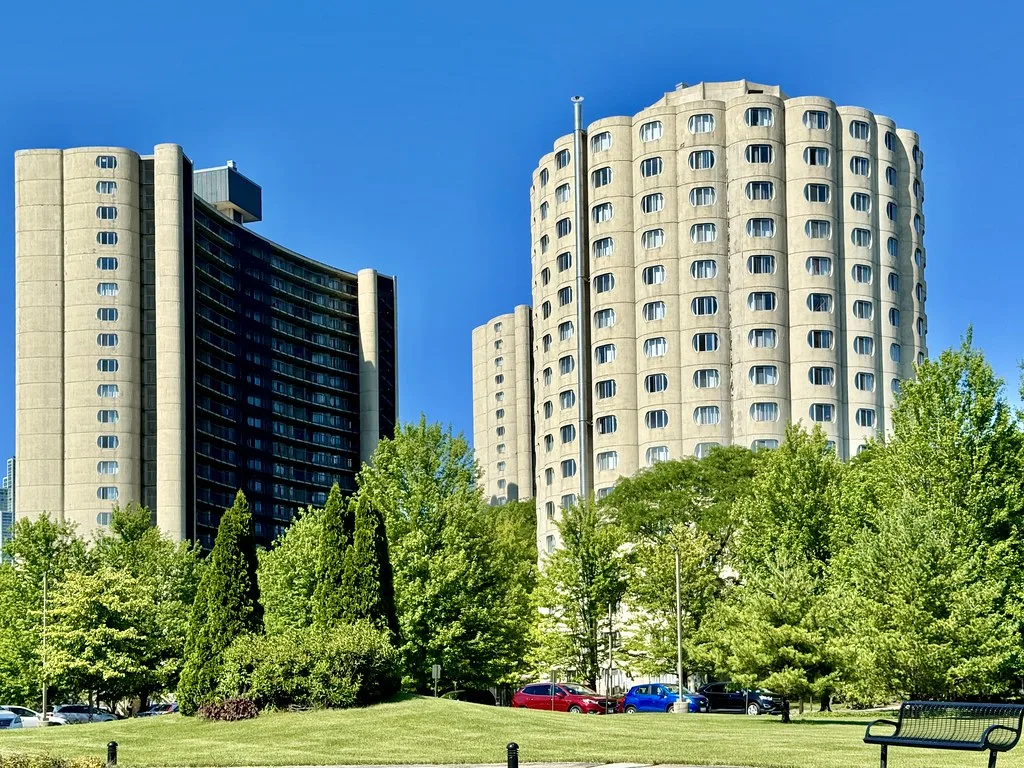
A Shift in Housing Strategy
Municipal governments across the United States are fundamentally rewriting the playbook for housing affordability in 2024 by moving beyond traditional tax credits and transitioning into the role of direct developers. By securing land and financing construction projects directly, local entities in cities like Denver, Austin, and Minneapolis are aiming to bypass market volatility to ensure long-term, permanently affordable housing units. This shift marks a departure from the reliance on private-sector incentivization, which officials argue has failed to keep pace with the rapid escalation of rental costs.
The Failure of Traditional Models
For decades, municipal housing strategies relied heavily on the Low-Income Housing Tax Credit (LIHTC) program. While successful in producing units, these projects often have expiration dates on affordability covenants, meaning that after 15 to 30 years, properties can revert to market-rate rents. This ‘affordability cliff’ has forced cities to watch thousands of units exit the subsidized pool annually, exacerbating the current supply crisis.
Data from the National Low Income Housing Coalition suggests that the country faces a shortage of 7.3 million rental homes affordable and available to extremely low-income renters. By retaining ownership of the land and the buildings, local governments are creating a permanent asset class that remains insulated from the speculative pressures of the private real estate market.
New Approaches to Development
Several jurisdictions have established ‘Social Housing’ authorities that operate with a mandate to prioritize public benefit over investor profit. In these models, cities issue municipal bonds to fund construction, then manage the properties with rent caps linked to area median income rather than market demand. This approach allows local agencies to reinvest operating surpluses into the maintenance or development of new sites, creating a self-sustaining cycle of growth.
Critics, however, point to the inherent risks of government-led development. Real estate experts note that municipal agencies often lack the operational agility of private developers, potentially leading to higher construction costs and slower project timelines. Furthermore, the reliance on municipal debt requires strong credit ratings and stable tax bases, which may not be feasible for smaller or economically distressed municipalities.
Implications for the Urban Landscape
For residents, this shift represents a move toward housing stability, as these units are legally tethered to affordability requirements in perpetuity. For the broader industry, it signals a potential contraction in the role of private developers who have historically dominated the affordable housing sector. Financial institutions are also adjusting, as they look for ways to participate in public-private partnerships that involve municipal bonds rather than traditional property-based equity.
Looking ahead, the success of these programs will be measured by their ability to scale. Observers should watch for new legislative efforts at the state level that aim to provide cities with the legal authority to bypass local zoning restrictions for government-led affordable projects. If these models prove fiscally sustainable, it is likely that the ‘direct-investment’ approach will become the standard, rather than the exception, in urban planning policy over the next decade.