




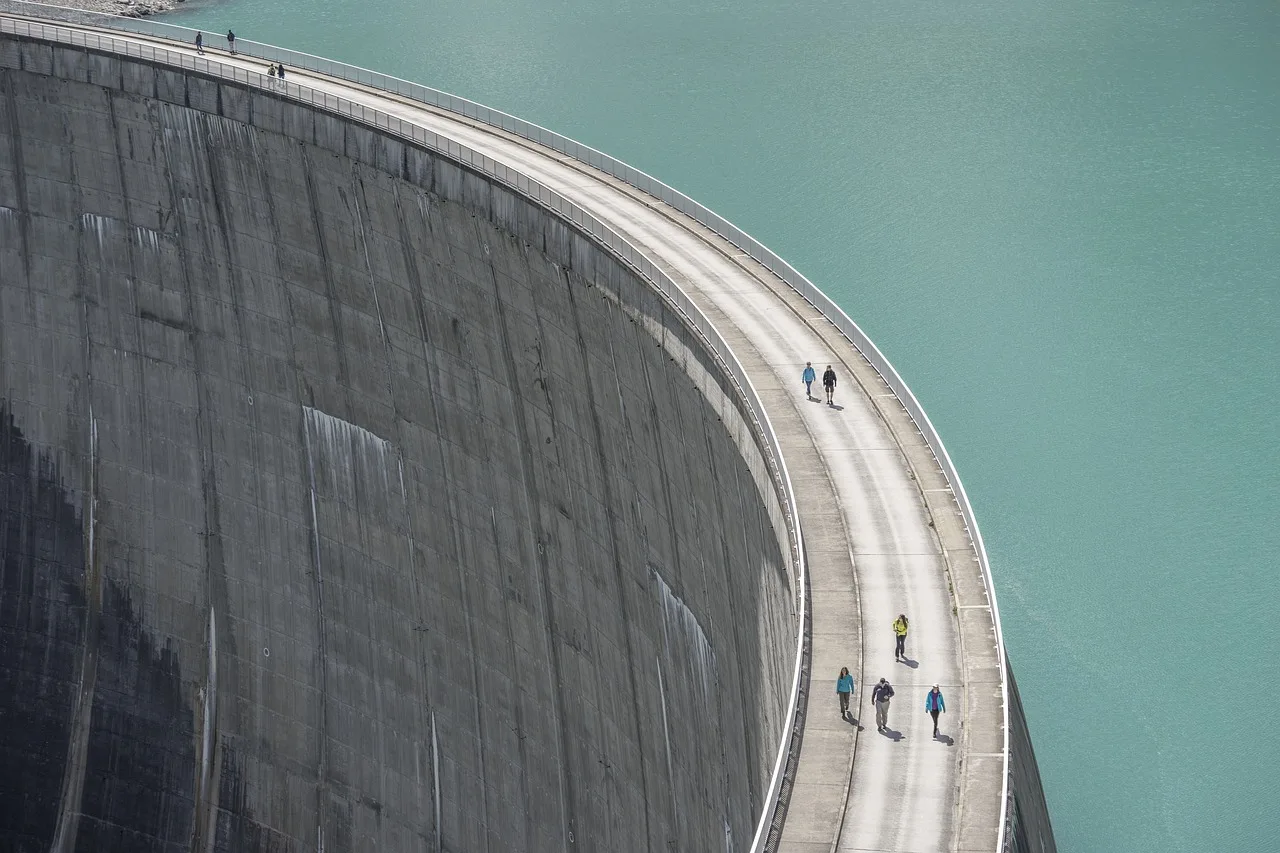
The Indian Renewable Energy Development Agency (IREDA) officially entered into a landmark agreement this week to facilitate a 900-megawatt hydropower project in Nepal. This strategic collaboration aims to significantly bolster cross-border energy infrastructure and enhance long-term energy security across South Asia.
Context of the Cross-Border Energy Corridor
India and Nepal have long sought to integrate their power grids to maximize the efficiency of regional renewable resources. The vast Himalayan river systems in Nepal provide immense potential for clean electricity generation, which India views as a critical component in its transition toward a net-zero future.
By leveraging IREDA’s expertise in financing renewable projects, the initiative seeks to overcome the capital-intensive barriers that have historically stalled large-scale infrastructure developments in the region. This project aligns with India’s broader ‘Neighborhood First’ policy, which emphasizes shared economic growth through infrastructure connectivity.
Strategic Scope and Project Execution
The 900 MW capacity represents one of the most significant single-project investments in Nepal’s hydropower sector to date. The agreement details the deployment of modern, high-efficiency turbines designed to minimize environmental impact while maximizing water flow utility.
Industry analysts suggest that the project will serve as a stabilizing force for the regional grid. By providing a reliable source of baseload power, the plant will help mitigate the intermittency issues often associated with solar and wind energy production in the Indian subcontinent.
Expert Perspectives and Economic Impact
Energy economists point to the project as a textbook example of regional synergy. According to data from the International Energy Agency (IEA), South Asia requires a massive scale-up in clean energy investments to meet the rising electricity demand of its growing population.
“This project is not just about megawatts; it is about the integration of regional markets,” noted a senior consultant at a New Delhi-based energy think tank. “By formalizing this agreement, IREDA is setting a precedent for how public financial institutions can de-risk complex international energy projects.”
Implications for the Regional Market
For industrial consumers and households in the region, the project promises a more stable supply of electricity. Increased hydropower capacity reduces reliance on coal-fired power plants, contributing directly to a lower carbon footprint for the manufacturing sectors in both nations.
The financial structure of the deal also provides a blueprint for future public-private partnerships in the Himalayan region. Investors are expected to monitor the progress of this project closely as a barometer for the viability of future cross-border grid interconnections.
Looking ahead, stakeholders will watch for the finalization of transmission line logistics and the establishment of a robust regulatory framework to manage power distribution. The success of this 900 MW plant could trigger a wave of further investments in Nepal’s untapped hydropower potential, potentially transforming the country into a regional energy powerhouse by the end of the decade.