




Regional Instability Disrupts Global Energy Flows
Qatari energy exports have ground to a near-halt this week as persistent Iranian-backed maritime aggression forces the suspension of critical shipping lanes in the Persian Gulf. The blockade, which escalated sharply on Tuesday, threatens to destabilize one of the world’s wealthiest nations, jeopardizing the ambitious economic diversification strategies that have long defined Qatar’s post-oil roadmap.
The Strategic Significance of the Strait
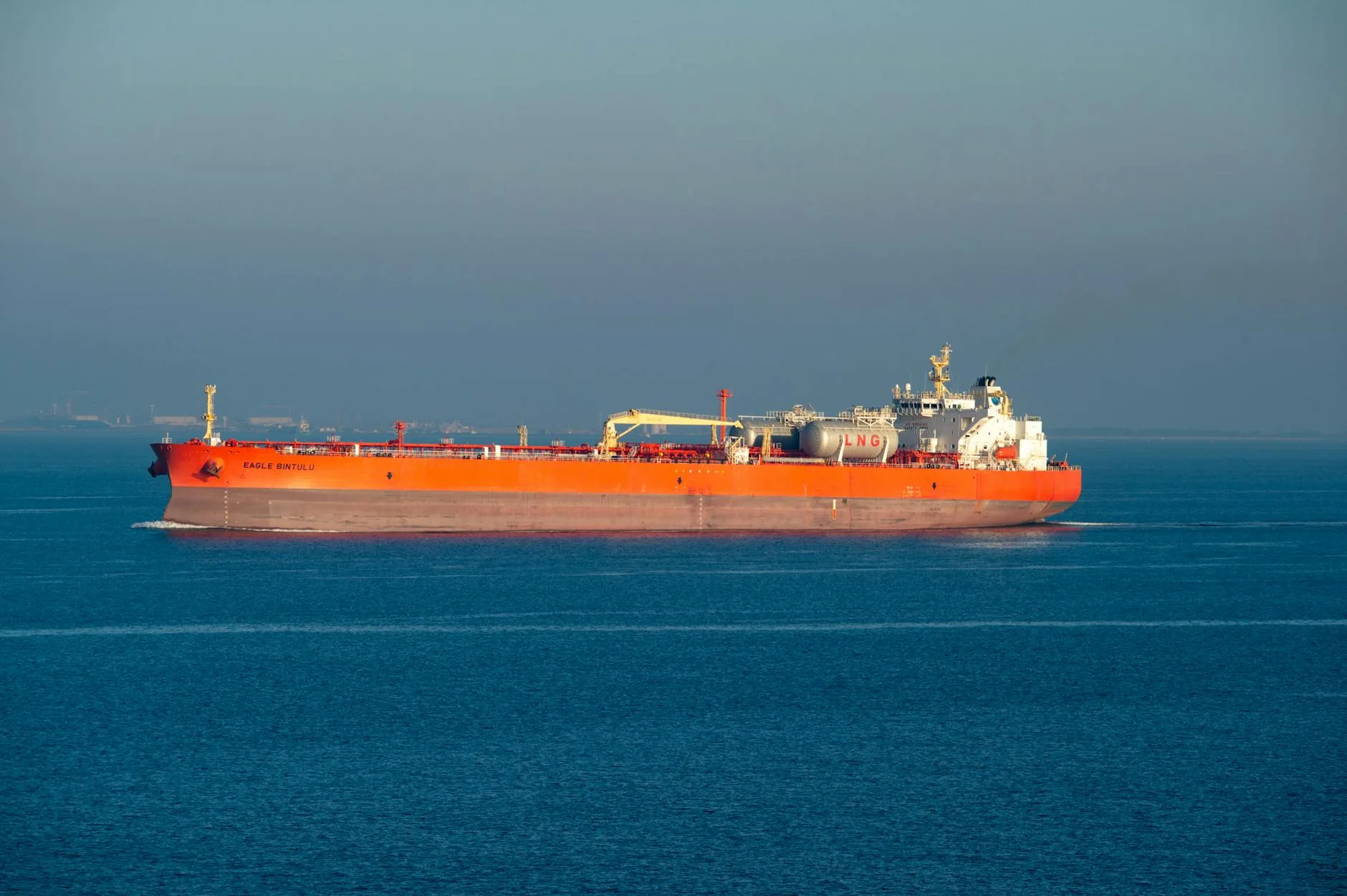
Qatar relies almost exclusively on the Strait of Hormuz to transport its Liquefied Natural Gas (LNG) to global markets. As the world’s leading exporter of LNG, any disruption in this narrow waterway carries immediate, systemic risks to global energy security.
For years, Doha has invested billions into the ‘Qatar National Vision 2030,’ a master plan designed to pivot the country toward tourism, technology, and financial services. However, this diversification effort is funded by the very gas revenues now sitting idle in storage tanks.
Economic Impacts and Market Volatility
Global energy markets reacted instantly to the news, with natural gas futures surging by 15% within hours of the announcement. Analysts warn that if the transit stoppage persists, the ripple effects will extend far beyond the Middle East, impacting manufacturing costs in Europe and heating prices across Asia.
Data from the International Energy Agency (IEA) highlights that Qatar provides nearly 20% of the world’s LNG supply. A prolonged shutdown forces importers to scramble for alternative, more expensive sources, tightening global supply chains already strained by geopolitical tensions.
Expert Perspectives on the Escalation
“The current situation represents a fundamental shift in the risk profile for Gulf energy producers,” noted Dr. Elena Vance, a senior energy analyst at the Global Policy Institute. “When a nation’s primary revenue stream is held hostage by regional power dynamics, the entire domestic economic model is called into question.”
Military observers point out that the Iranian strategy focuses on asymmetric naval warfare, utilizing drone swarms and fast-attack craft to create a persistent threat that is difficult for traditional navies to neutralize. This low-cost, high-impact approach has successfully paralyzed maritime insurance markets, which are now demanding prohibitive premiums for vessels entering the region.
Long-term Implications and Future Outlook
For Qatar, the immediate priority remains the security of its export infrastructure and the potential for a diplomatic resolution to the current standoff. The government has signaled it is exploring alternative logistics routes, though these options remain limited by the sheer volume of output required to sustain current export levels.
Industry watchers will be closely monitoring the status of insurance premiums and the deployment of international naval task forces in the coming days. The ability of the global community to secure these lanes will determine whether this is a temporary market correction or the beginning of a sustained economic contraction for the region.