




Expanding the Electric Horizon
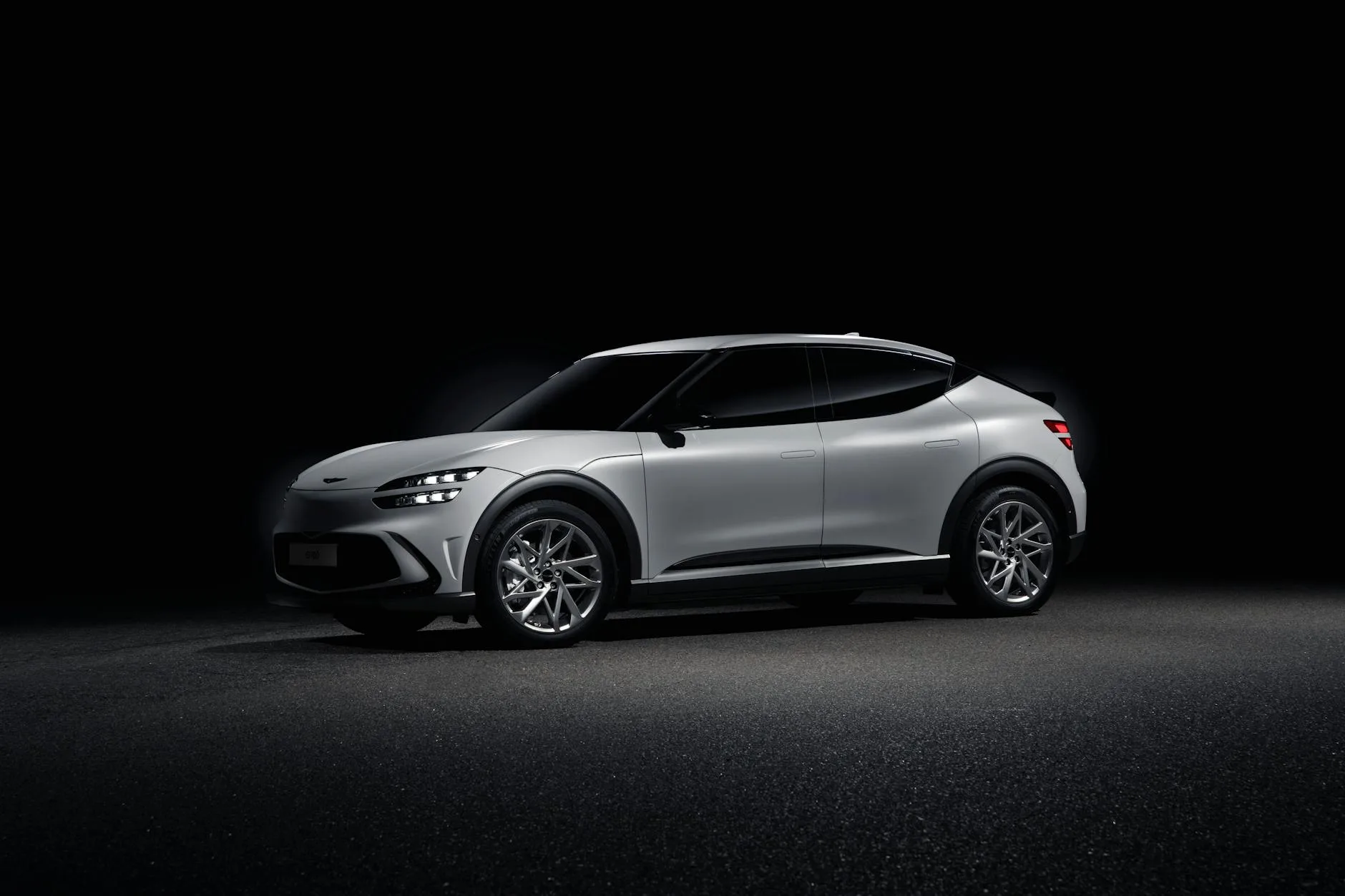
Tata Motors, India’s leading electric vehicle manufacturer, has confirmed plans to launch three new large-sized electric SUVs by the end of 2026. The strategic rollout, scheduled to commence in the coming quarters, aims to solidify the company’s dominance in the domestic EV market by targeting the premium 5-seater and 7-seater segments.
This aggressive expansion comes as the company seeks to capitalize on the increasing consumer demand for spacious, family-oriented electric vehicles. By diversifying its portfolio beyond compact models like the Nexon EV and Punch EV, Tata Motors intends to challenge international luxury marques while maintaining its price-competitive edge.
The Strategic Shift Toward Large SUVs
The domestic EV market in India has historically been dominated by entry-level and sub-compact offerings. However, as infrastructure improves and range anxiety declines, consumer preference is shifting toward larger form factors that offer greater utility and passenger comfort.
The centerpiece of this strategy is the highly anticipated Tata Sierra EV, slated for a Q2 FY27 release. The Sierra, a nostalgic nameplate revived for the modern electric era, represents a significant leap in design and platform capability. Analysts suggest that the model will likely feature a dedicated skateboard architecture, allowing for optimized cabin space and advanced battery management systems.
Market Positioning and Technical Expectations
Industry reports indicate that these upcoming models will incorporate Tata’s latest Gen 2 and Gen 3 electric vehicle platforms. These architectures are designed to support longer ranges, faster charging capabilities, and sophisticated software-defined vehicle features, including over-the-air (OTA) updates and advanced driver-assistance systems (ADAS).
“The transition to larger, more premium electric platforms is a logical evolution for Tata Motors,” noted an industry analyst. “By scaling their EV infrastructure now, they are effectively insulating their market share against the influx of global OEMs entering the Indian automotive landscape.”
Market data suggests that Tata Motors currently commands a significant majority of India’s electric passenger vehicle sales. Expanding into the 7-seater segment is seen as a critical move to capture families who have previously been restricted to internal combustion engine (ICE) vehicles due to the lack of viable electric alternatives.
Implications for the Automotive Industry
For consumers, the arrival of these SUVs signals a wider availability of long-range electric options that can function as primary family vehicles. The increased competition in the premium segment is expected to drive down costs for high-capacity battery technologies, potentially sparking a broader price-war among domestic and international competitors.
Looking ahead, industry observers are closely monitoring how Tata Motors manages its supply chain and charging infrastructure requirements for these larger vehicles. The success of the Sierra and its siblings will likely dictate the pace of EV adoption among middle-to-high-income demographics in India over the next decade. Stakeholders should watch for upcoming prototype reveals and official performance metrics, which will likely be disclosed in the lead-up to the fiscal year 2027 launch window.