





Economic Impact of Global Conflict
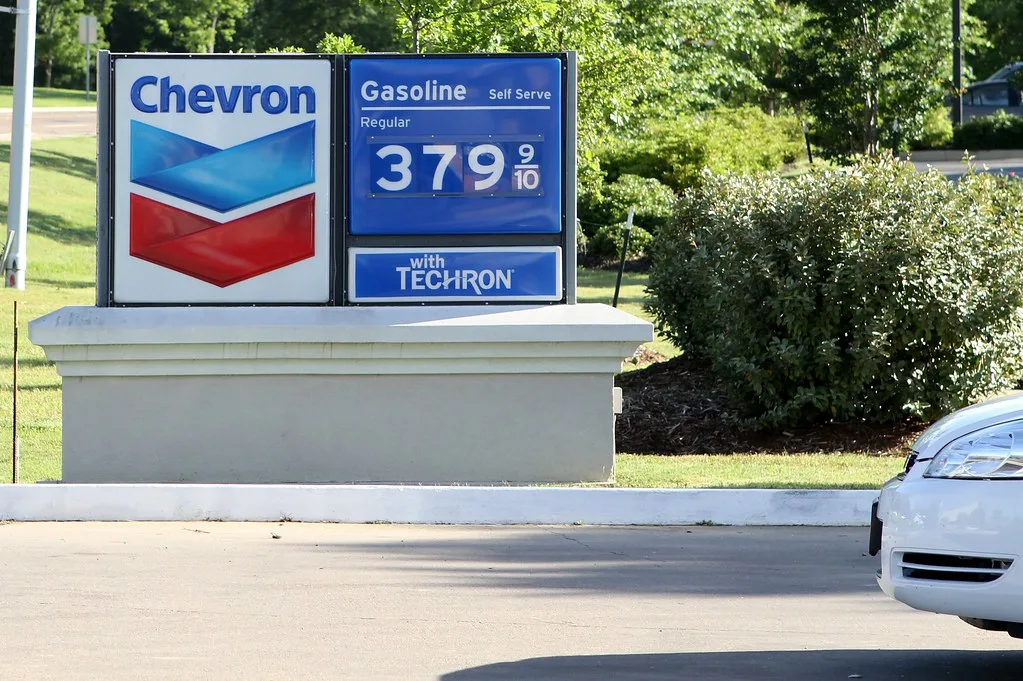
The national average for a gallon of gasoline in the United States has climbed to $4.50 this week, marking a sharp increase of more than $1.50 per gallon since the onset of the conflict with Iran. As geopolitical tensions disrupt global supply chains, American households are facing immediate budgetary pressures, forcing a widespread reassessment of discretionary spending and daily transit habits.
Contextualizing the Energy Crisis
Oil prices are inherently sensitive to regional instability, particularly in the Middle East, which serves as a critical artery for global petroleum transit. The current surge follows a pattern of market volatility that typically accompanies military engagement in oil-producing regions. Historically, such spikes in energy costs act as a regressive tax, disproportionately impacting lower- and middle-income families who rely on personal vehicles for commuting.
Shifting Consumer Behaviors
Retail data suggests that consumers are rapidly altering their purchasing patterns to offset the rise in transportation costs. Major grocery chains and big-box retailers are reporting a noticeable decline in high-ticket discretionary purchases as fuel expenses consume a larger share of the average monthly household budget. Many commuters are opting to consolidate errands, carpool, or transition to remote work arrangements where possible to limit fuel consumption.
Expert Analysis and Market Data
Energy analysts note that the current price floor is being sustained by uncertainty regarding the duration of the conflict and potential supply chain bottlenecks. According to recent reports from the Energy Information Administration (EIA), the market remains highly reactive to news cycles, leading to daily fluctuations at the pump. Economists suggest that sustained high prices could trigger a broader slowdown in consumer spending, potentially dampening GDP growth in the coming quarter if the trend continues.
Industry Implications and Future Outlook
For the automotive and logistics industries, the sustained increase in fuel costs represents a significant operational challenge. Companies are increasingly investing in fuel-efficient fleet management software and exploring alternative fuel sources to hedge against future volatility. Consumers should monitor upcoming federal policy announcements regarding strategic petroleum reserves, as these interventions often serve as the primary mechanism for stabilizing domestic prices. Moving forward, the focus remains on whether the market will normalize or if the current price level will necessitate long-term structural changes in how Americans approach travel and energy consumption.