





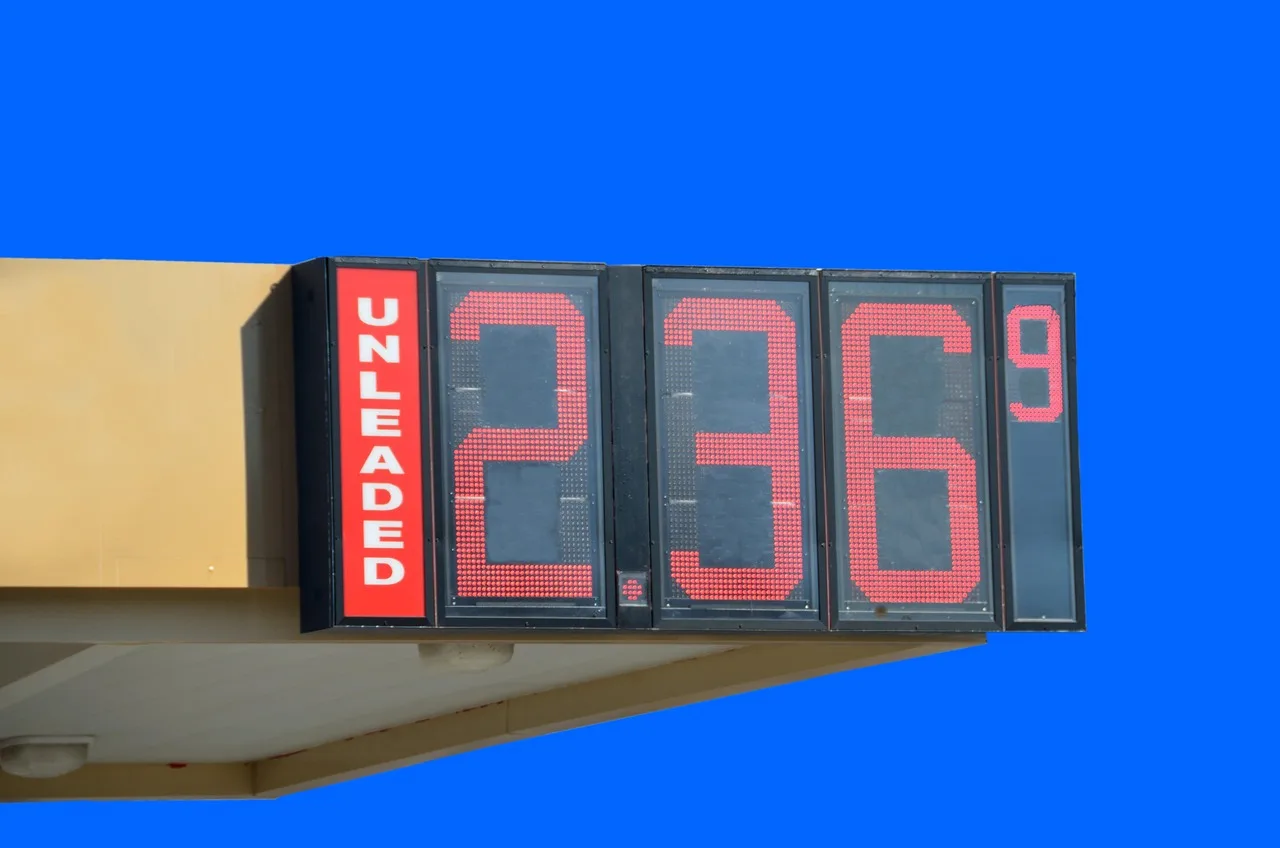
In a significant shift for the Indian economy, the central government increased petrol and diesel prices by Rs 3 per litre nationwide on May 17, marking the first major upward revision in over four years. This move, which has pushed petrol costs near the Rs 98 threshold in Delhi, reflects the immediate impact of escalating geopolitical tensions in West Asia on domestic energy markets.
Context of the Global Energy Crisis
The price hike follows a sustained period of volatility in international crude oil markets. Global oil prices have surged by more than 50 percent since late February, primarily driven by the ongoing conflicts involving Israel, Iran, and the United States.
Market analysts point to the Strait of Hormuz as the primary point of failure for supply chains. As a critical transit route for global petroleum, any disruption or threat of blockade in this region creates immediate upward pressure on Brent crude prices, leaving net-importing nations like India particularly vulnerable.
Impact on Major Metro Regions
The revision has resulted in a uniform increase across all major urban centers, with regional variations based on local taxation. In the national capital, Delhi, petrol now retails at Rs 97.77 per litre, while diesel has climbed to Rs 90.67 per litre.
Other metropolitan hubs are seeing even steeper costs due to higher state-level levies. Mumbai currently reports petrol at Rs 106.68 per litre, while Kolkata faces prices as high as Rs 108.70 per litre. These figures represent a substantial inflationary pressure on logistics and transportation costs, which are typically passed down to consumers in the form of higher prices for essential goods.
Expert Perspectives and Economic Implications
Energy economists warn that this price hike may trigger a ripple effect throughout the broader economy. High fuel costs historically correlate with increased inflation in food and manufacturing sectors due to the rising expense of road freight.
“The reliance on imported crude makes the domestic market highly sensitive to regional conflicts in the Middle East,” noted a senior market analyst. “With over 50 percent growth in crude costs globally, domestic retailers have reached a point where maintaining old price points is no longer fiscally sustainable for state-run oil companies.”
Future Market Outlook
As the geopolitical situation in West Asia remains fluid, observers are closely monitoring the security of oil shipping lanes. Any further escalation in the Strait of Hormuz could necessitate additional price adjustments in the coming months.
For consumers and industries alike, the focus is shifting toward long-term energy security and conservation. Policymakers are expected to face increasing pressure to incentivize alternative fuel adoption to buffer the economy against future global supply shocks. Markets will continue to watch for signals from OPEC+ and regional geopolitical developments to determine if this Rs 3 hike is a temporary correction or the beginning of a sustained inflationary cycle for transport fuel.