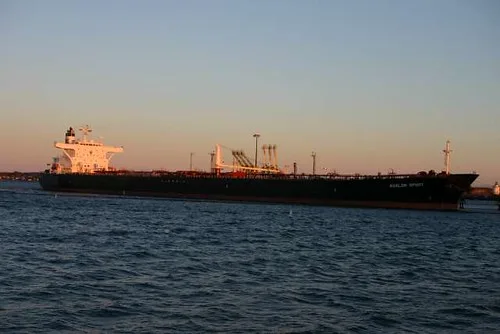



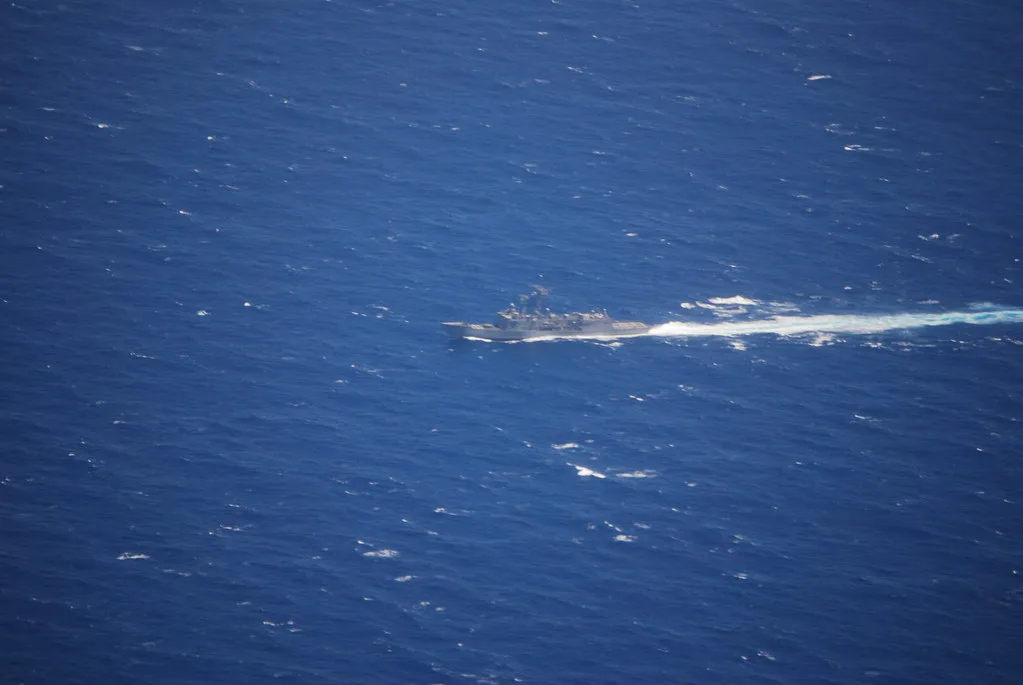
Shipping companies operating in the Persian Gulf remain in a state of operational paralysis this week as uncertainty continues to grip the Strait of Hormuz. Following a series of heightened security incidents, the United States government has pledged to provide naval support for commercial tankers attempting to navigate the critical waterway; however, major shipping firms remain hesitant to resume full-scale operations, fearing that current safety guarantees may not be sufficient to mitigate the risk of seizure or attack.
The Strategic Significance of the Strait
The Strait of Hormuz serves as the world’s most vital maritime chokepoint, with approximately 20% of the world’s total petroleum consumption passing through its narrow passage daily. Any disruption in this corridor creates an immediate ripple effect, impacting global energy prices and supply chain stability for industrialized nations.
For decades, the route has been a focal point of geopolitical tension. Recent escalations have seen an increase in the boarding and detention of merchant vessels, forcing insurers to hike premiums to levels that make some transit routes financially untenable.
Risk Assessment and Operational Hesitation
While the U.S. military presence in the region has been bolstered to deter further interference, industry analysts suggest that shipping executives are prioritizing the safety of their crews over the urgency of cargo delivery. The lack of clear, actionable protocols for how naval escorts will interact with regional forces has left many companies opting to keep their vessels at anchor.
Data from maritime tracking services indicates that dozens of tankers are currently idling in the Gulf, waiting for further clarification. These delays are already beginning to reflect in spot market freight rates, which have seen a marked increase as capacity tightens.
Expert Insights on Maritime Security
“The current environment is characterized by a lack of predictability,” says Marcus Jensen, a senior analyst at a leading maritime risk consultancy. “When ship owners cannot accurately calculate the risk-to-reward ratio, the default position is always to wait. Military escorts provide a layer of security, but they do not eliminate the underlying political friction that causes these incidents in the first place.”
According to recent maritime insurance reports, premiums for vessels traversing the Persian Gulf have risen by nearly 30% since the start of the current crisis. This surge is forcing shipping firms to reconsider their long-term reliance on the Strait if regional volatility persists.
Industry Implications and Future Outlook
For global consumers, the continued uncertainty in the Strait of Hormuz suggests that energy price fluctuations may become more frequent in the coming months. Industries dependent on steady fuel delivery may need to diversify their supply chains or increase inventory buffers to withstand potential future closures.
Looking ahead, industry observers are watching for signs of a coordinated international maritime coalition that might offer more robust, multilateral protections for commercial traffic. Whether companies begin to move their vessels in the next 48 hours will depend largely on the specific rules of engagement established by the U.S. and its allies. Analysts expect that if the stalemate persists through the weekend, the broader economic impact on global petroleum markets will become significantly more pronounced.