





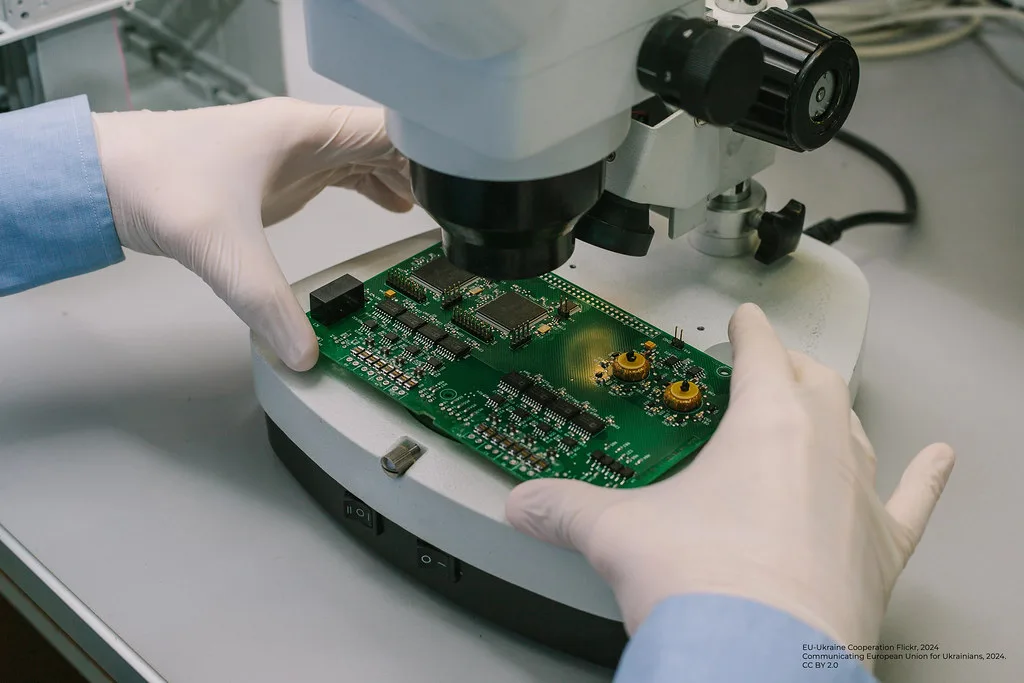
SpaceX, the aerospace giant led by Elon Musk, has announced a massive $55 billion capital investment to launch a proprietary semiconductor manufacturing division dubbed “Terafab.” This strategic pivot, confirmed by internal company disclosures this week in Hawthorne, California, marks a significant escalation in Musk’s broader ambition to dominate the global artificial intelligence infrastructure market.
The move represents a departure from traditional aerospace manufacturing, positioning the company as a vertically integrated tech powerhouse. By developing its own AI-specific chips, SpaceX aims to bypass current supply chain bottlenecks that have plagued the tech industry since the post-pandemic surge in demand for high-performance computing hardware.
The Strategic Shift Toward Vertical Integration
For years, SpaceX has relied on third-party silicon providers to power the onboard computers of its Falcon 9 rockets and the Starlink satellite constellation. However, the rapid expansion of AI-driven data processing requirements has necessitated a more customized, efficient hardware solution.
Industry analysts suggest that the Terafab initiative is designed to solve the “latency gap” in space-based communications. By producing custom chips, SpaceX can optimize hardware specifically for the extreme conditions of orbit, potentially reducing power consumption and increasing processing speeds for its Starlink satellite network.
The Competitive Landscape of AI Hardware
The semiconductor market is currently dominated by industry titans like NVIDIA, which controls a vast majority of the AI chip sector. SpaceX’s entry into this space introduces a formidable competitor with deep pockets and a unique testing ground in space.
According to data from Gartner, the global market for AI-specific semiconductors is projected to grow by over 20% annually through 2027. Musk’s investment, while massive, aligns with his strategy of internalizing critical technologies to maintain control over product development timelines and costs.
Expert Perspectives on Manufacturing Scalability
Manufacturing semiconductors requires a level of precision and chemical engineering that differs significantly from aerospace engineering. Experts at the Semiconductor Industry Association (SIA) note that building a “fab” of this scale is a multi-year endeavor fraught with regulatory and logistical hurdles.
“Entering the chip market is capital intensive and requires a highly specialized workforce,” says Dr. Elena Rossi, an independent technology consultant. “However, if SpaceX can successfully apply its rapid-prototyping culture to silicon fabrication, it could disrupt the traditional foundry model dominated by firms like TSMC.”
Industry Implications and Future Outlook
The announcement carries significant implications for the wider tech industry, signaling a trend toward “sovereign hardware” where tech conglomerates build their own chips to avoid reliance on external suppliers. This shift could force existing chip manufacturers to rethink their pricing and distribution models to retain their market share.
Looking ahead, industry observers are watching for the first prototype releases from the Terafab facility. The success of this project will likely determine whether SpaceX becomes a standalone competitor to traditional chipmakers or simply a massive consumer of its own internal production. Investors and competitors alike should monitor upcoming regulatory filings for details on facility locations and projected production capacity by late 2026.