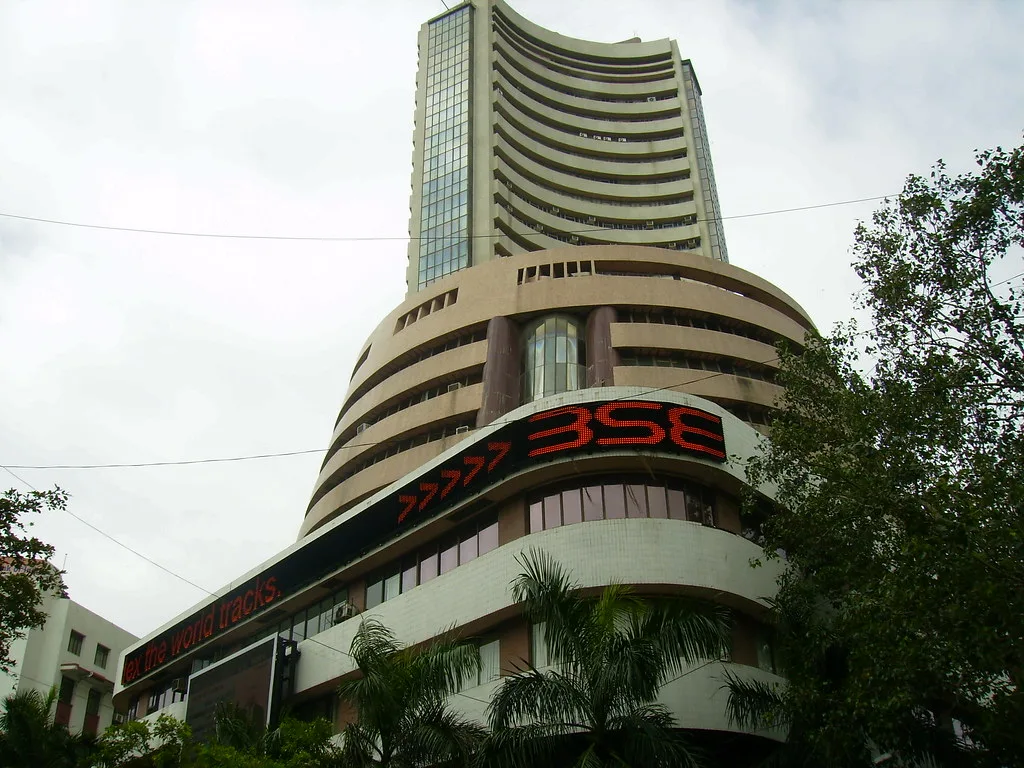






The Dow Jones Industrial Average retreated from near-record highs on Friday as investors reacted to a sharp rebound in global oil prices, fueled by escalating geopolitical tensions involving Iran. Markets across Asia and the United States are grappling with the potential for supply chain disruptions, causing futures to slide as energy costs move back above the critical $100 per barrel threshold.
The Context of Energy Volatility
Oil prices have remained a primary driver of market sentiment throughout the current quarter. After a brief dip below the $100 mark early Thursday, Brent crude surged back into triple-digit territory, while U.S. crude futures recorded gains exceeding 2.5% during Asian trading hours.
This volatility is largely attributed to heightened uncertainty surrounding Iran’s role in the global energy market. Analysts suggest that any disruption in supply from the region could exacerbate existing inflationary pressures, forcing central banks to reconsider their interest rate trajectories.
Market Reactions and Economic Pressures
The retreat in the Dow Jones reflects a broader risk-off sentiment among institutional investors. As energy prices rise, the cost of production and transportation increases, directly impacting corporate profit margins across the manufacturing and logistics sectors.
Financial analysts note that the current market structure is particularly sensitive to energy shocks. According to recent data from the International Energy Agency, global demand remains resilient, leaving little room for supply-side shocks without triggering immediate price spikes.
Market participants are closely monitoring the correlation between oil futures and equity indices. When energy prices climb rapidly, the resulting squeeze on consumer spending power often leads to a devaluation of growth-oriented stocks, which have already faced significant pressure this year.
Expert Perspectives
Commodity strategists emphasize that the current price action is driven more by fear than by fundamental shifts in supply. “The market is currently pricing in a worst-case scenario regarding regional stability,” said one analyst from a leading financial services firm. “Until there is clear diplomatic resolution, traders should expect continued intraday volatility in both energy and equity markets.”
Data from the U.S. Energy Information Administration confirms that domestic reserves remain tight. This inventory situation provides a floor for prices, making it difficult for the market to sustain any significant downward movement in the near term.
Implications for the Financial Landscape
For investors, the immediate implication is a period of heightened caution. Portfolios heavily weighted toward energy-intensive industries may face increased turbulence, while defensive sectors like utilities and healthcare could see renewed interest as safe havens.
Looking ahead, market participants should monitor upcoming meetings from major oil-producing nations, which could signal potential adjustments to output quotas. Furthermore, diplomatic developments regarding Iran will serve as the primary catalyst for the next move in crude futures. Observers are also watching for how the Federal Reserve interprets these energy costs in the context of persistent inflation, as another round of price hikes could signal a more aggressive monetary policy stance in the months to come.