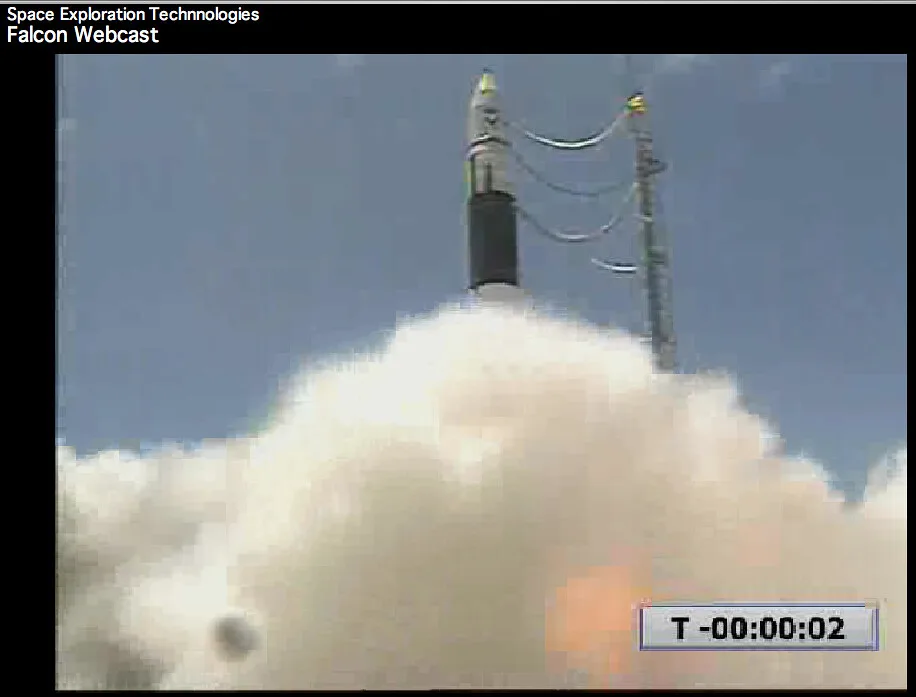










SpaceX, the aerospace leader founded by Elon Musk, officially set its initial public offering price at $135 per share on Wednesday, marking the largest public market debut in history. The company will list more than 555 million shares on the New York Stock Exchange, with trading scheduled to commence this coming Friday. This move represents a pivotal shift for the Hawthorne-based firm, transitioning from a private entity to a publicly traded corporation with a valuation exceeding $74 billion.
The Evolution of Commercial Spaceflight
For two decades, SpaceX has operated as the primary disruptor in the aerospace industry, fundamentally altering the economics of space travel through reusable rocket technology. Since its inception in 2002, the company has secured lucrative government contracts, including partnerships with NASA and the Department of Defense. The decision to go public follows years of speculation regarding how Musk would finance the company’s ambitious Mars colonization goals.
Market Impact and Financial Scale
The offering size of 555 million shares establishes SpaceX as a heavyweight in the technology sector, immediately capturing the attention of institutional investors and retail traders alike. By pricing at $135, the company aims to provide liquidity for early employees and private backers while raising significant capital for its Starship development program. Financial analysts note that the scale of this IPO eclipses previous records in the tech sector, reflecting the immense market confidence in the firm’s satellite internet service, Starlink.
Expert Perspectives on Industry Valuation
Market analysts suggest the $135 valuation is a reflection of both current revenue streams and the company’s long-term dominance in orbital launch services. “SpaceX is not just a rocket company; it is a critical infrastructure provider for the modern global economy,” said Sarah Jenkins, lead aerospace analyst at Global Markets Research. Data from the company’s recent filings confirm that Starlink accounts for nearly 40% of projected revenue growth, providing a steady cash flow that traditional launch services lack.
Broader Implications for the Aerospace Sector
The transition to public markets forces a higher level of transparency and regulatory scrutiny on SpaceX’s operations. Investors will now have access to quarterly earnings reports, providing unprecedented insight into the costs associated with deep-space exploration and satellite deployment. This increased visibility is expected to spur further competition, as rival aerospace firms may feel pressure to demonstrate similar financial stability to attract capital.
What to Watch Next
Market watchers are now turning their attention to the opening bell on Friday to gauge the immediate reaction of retail investors. Beyond the initial price volatility, the industry will monitor how SpaceX balances the demands of quarterly profit reporting against the high-risk, long-term nature of its interplanetary exploration projects. The performance of this stock in its first month will likely serve as a bellwether for the entire commercial space sector for years to come.