









SpaceX, the aerospace manufacturer led by Elon Musk, has seen its private market valuation soar to over $210 billion this year, providing the company with an unprecedented war chest to dominate the global space industry. This surge in capital, driven by strong investor appetite and the success of its Starlink satellite constellation, allows the firm to aggressively expand its launch capabilities and infrastructure while effectively sidelining smaller competitors.
The Evolution of a Space Titan
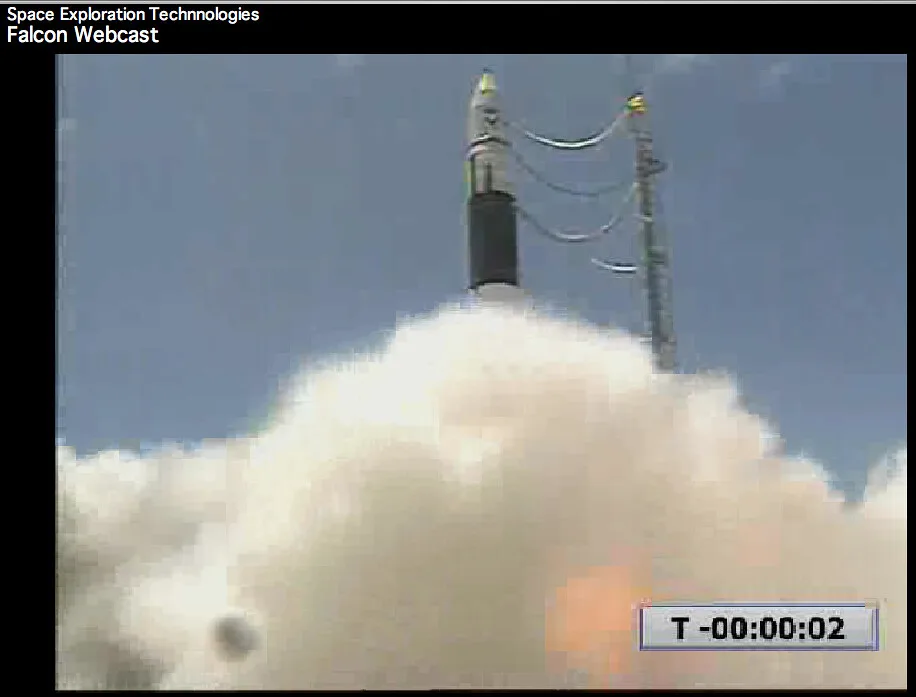
Founded in 2002, SpaceX transitioned from a speculative startup to the primary launch provider for NASA and the Department of Defense. The company’s reusable rocket technology, centered on the Falcon 9, drastically reduced the cost per kilogram of payload sent to orbit. This technological edge, combined with the rapid deployment of the Starlink broadband network, has created a recurring revenue stream that traditional aerospace companies struggle to replicate.
Dominance Through Vertical Integration
SpaceX’s financial strength is bolstered by its unique business model, which integrates manufacturing, launch services, and satellite operations under one roof. By controlling the entire supply chain, the company maintains high margins and a rapid pace of innovation. Industry analysts note that this vertical integration acts as a significant barrier to entry for new firms attempting to enter the launch market.
Data from market research firms indicate that SpaceX currently conducts the vast majority of all orbital launches in the United States. This high flight cadence enables the company to gather vast amounts of telemetry data, which is then fed back into its AI-driven flight systems to improve safety and reliability. Consequently, the company has secured long-term contracts that provide a predictable financial foundation for its more ambitious projects, such as the Starship deep-space transport system.
Expert Analysis on Market Consolidation
Market observers suggest that the current investment climate favors companies with proven hardware and high launch reliability. “SpaceX has effectively moved beyond the venture capital phase and into a period of industrial dominance,” says aerospace analyst Dr. Marcus Thorne. “Their ability to secure capital allows them to absorb risks that would bankrupt a smaller competitor, effectively boxing out potential disruptors.”
The influx of capital is not merely being funneled into existing projects; it is also funding the development of next-generation artificial intelligence for autonomous docking and orbital debris management. By investing in these frontier technologies, SpaceX ensures that its leadership position remains secure even as the commercial space sector becomes increasingly crowded with international players.
Industry Implications and Future Outlook
The consolidation of financial power within SpaceX signals a shift toward a “winner-take-most” dynamic in space exploration. For commercial entities, this means that partnerships with SpaceX are becoming necessary for survival, as the company’s launch capacity dictates the timelines for nearly all major satellite deployment projects. Smaller competitors are now forced to pivot toward niche markets, such as specialized small-satellite delivery or space-based manufacturing, to avoid direct competition with the industry giant.
Looking ahead, industry watchers should monitor how SpaceX balances its rapid expansion with increasing regulatory scrutiny regarding orbital congestion and national security concerns. The company’s next major milestone—the operational deployment of the Starship rocket—will serve as a bellwether for the future of interplanetary logistics. As the company continues to leverage its financial reserves, the gap between it and its nearest rivals is expected to widen, setting the stage for a new era of space infrastructure dominated by a single, highly capitalized entity.