





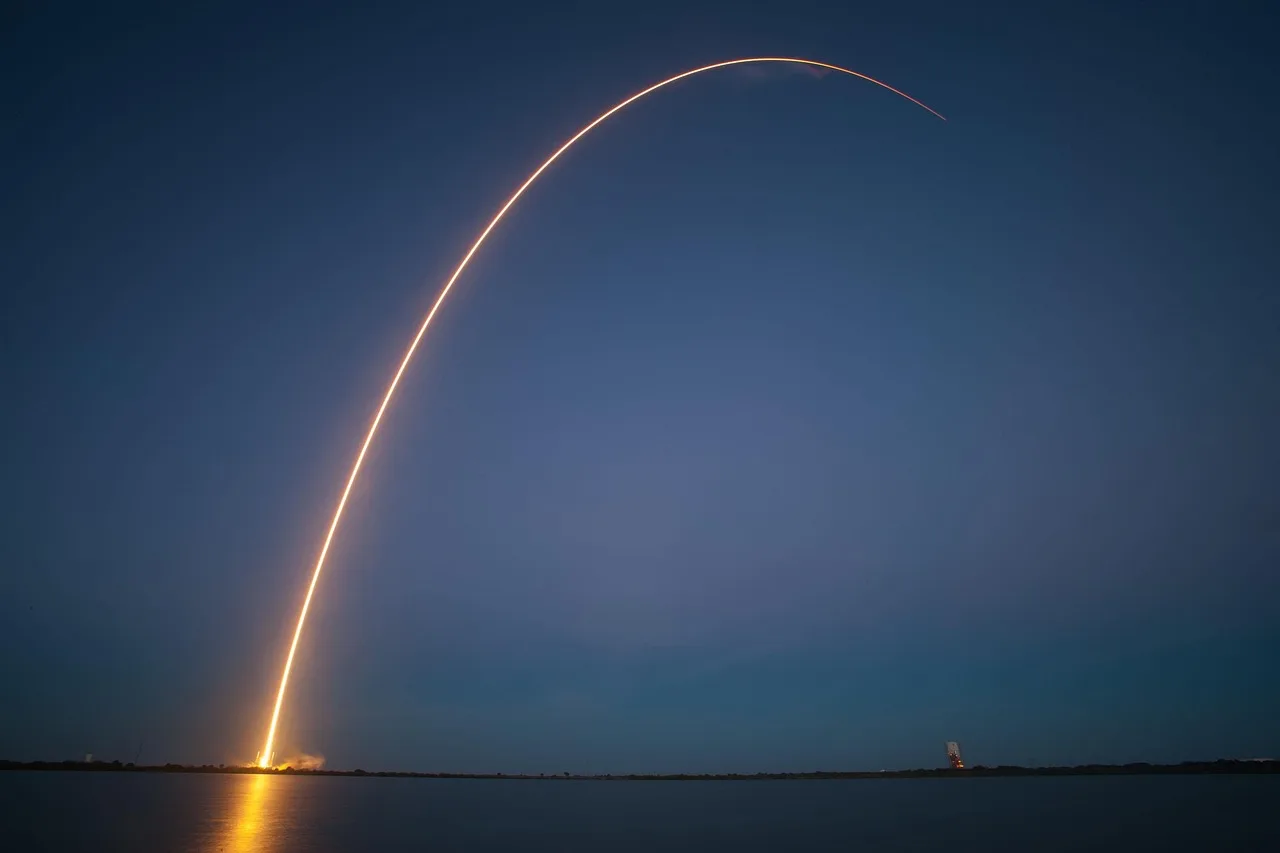
Launch Postponement Sparks Industry Discussion
SpaceX has officially postponed the latest test flight of its redesigned Starship rocket, a pivotal move that underscores the immense engineering hurdles facing the aerospace giant. The delay, announced at the company’s Starbase facility in Boca Chica, Texas, this week, forces a strategic pause in the flight testing campaign intended to refine the world’s most powerful launch vehicle. This decision follows months of intensive modifications aimed at improving the vessel’s thermal protection systems and stage separation mechanisms.
Context of the Multi-Billion Dollar Investment
The Starship program represents the most ambitious undertaking in SpaceX’s history, with the company estimating that it has invested approximately $15 billion into the project to date. Designed to be fully and rapidly reusable, the rocket is intended to carry both crew and cargo to Earth orbit, the Moon, Mars, and beyond. This massive capital expenditure highlights the high-stakes nature of modern private spaceflight, where the transition from experimental prototype to operational vehicle requires sustained, long-term financial backing.
Technical Refinements and Engineering Hurdles
Engineers have been working around the clock to implement a series of design upgrades following data gathered from previous test flights. The primary focus of the current redesign centers on the “hot-staging” process, which involves igniting the upper stage engines while the booster is still attached. Industry analysts note that perfecting this sequence is critical for maximizing payload capacity, yet it introduces significant mechanical stresses that require precise structural reinforcement.
Furthermore, SpaceX is grappling with the complexities of orbital refueling, a key capability that will allow Starship to reach deep-space destinations. According to NASA’s recent procurement documents, the success of the Artemis lunar missions is fundamentally tethered to the operational readiness of Starship. This dependency makes every delay a point of concern for federal agencies and private partners alike who are relying on the rocket’s unique heavy-lift capacity.
Expert Perspectives on Development Timelines
Aerospace industry analysts, including those from the Space Foundation, suggest that the current delays are consistent with the development cycles of revolutionary flight hardware. “When you are attempting to build a vehicle that is fundamentally different from anything that has come before, the iterative testing process is designed to find failure points before they become catastrophic,” said Dr. Marcus Thorne, an independent aerospace consultant. Data from previous flight tests indicates that SpaceX has successfully gathered terabytes of telemetry data, which the company claims is more valuable than an immediate successful landing.
Future Implications for the Space Sector
The postponement signals a shift toward a more cautious, data-driven methodology as the program enters its next critical phase. For stakeholders, the primary concern remains the timeline for integrating Starship into the broader global space economy, particularly as competitors accelerate their own heavy-lift rocket programs. Observers should monitor upcoming static fire tests and regulatory approvals from the Federal Aviation Administration (FAA), as these will serve as the final gatekeepers before the next launch window opens. The ability of SpaceX to resolve these technical bottlenecks will likely dictate the pace of human exploration initiatives for the remainder of the decade.