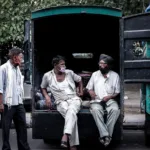






A severe and prolonged heatwave across India has pushed the nation’s electricity demand to an all-time peak of 270 gigawatts, triggering widespread power outages in major urban centers including New Delhi, Chennai, Noida, and parts of Odisha. As temperatures soar to dangerous levels, the surge in cooling demand has overwhelmed regional grids, forcing utility providers to implement load-shedding measures to prevent total infrastructure failure.
The Drivers of the Energy Crisis
The current energy strain is primarily attributed to a compounding effect of record-breaking ambient temperatures exacerbated by the ongoing El Niño climate pattern. Meteorological departments have reported sustained heatwaves that have pushed mercury levels consistently above 45 degrees Celsius in several states, driving households and industrial facilities to run air conditioning and refrigeration at maximum capacity around the clock.
Historically, India’s power sector struggles during the pre-monsoon months, but the intensity of this year’s heat has set new precedents. According to data from the Ministry of Power, the peak demand has consistently outperformed previous forecasts, leaving little margin for error in grid management.
Grid Strain and Infrastructure Limitations
The reliance on coal-fired power plants remains the backbone of the Indian energy mix, yet logistics and supply chain pressures have complicated the ability to meet the sudden spikes in demand. While the government has ramped up coal production and prioritized the movement of fuel by rail, the sheer volume of electricity required during peak evening hours is outpacing current generation and transmission capabilities.
Energy experts point out that the distribution sector faces a dual challenge: aging infrastructure and the financial volatility of state-run distribution companies (DISCOMs). These entities often struggle to purchase enough power from the open market to cover the shortfall during extreme weather events, leading to the rolling blackouts currently affecting residential and commercial sectors.
Expert Perspectives on Energy Security
Industry analysts emphasize that while renewable energy capacity has expanded significantly, it currently lacks the storage infrastructure required to provide reliable power during the night when solar generation is absent. Dr. Anjali Sharma, an energy policy researcher, notes that the grid requires a massive injection of battery storage technology to mitigate the intermittency of clean energy sources during these critical heat-driven peak hours.
Data indicates that demand growth is currently outstripping the addition of new generation capacity. The government has responded by urging citizens to practice energy conservation and has issued directives to industrial units to optimize their consumption schedules to alleviate pressure on the grid during late-evening peak windows.
Looking Ahead: Future Implications
The recurring nature of these climate-driven crises suggests that India’s energy policy will increasingly focus on grid resilience and decentralized energy solutions. Observers are keeping a close watch on upcoming government tenders for large-scale battery storage systems and potential reforms in the electricity market to incentivize off-peak consumption.
As the monsoon season approaches, the short-term pressure on the grid is expected to ease, but the structural challenges remain. The industry is now evaluating whether current infrastructure investments will be sufficient to handle the projected demand growth for next summer, which is expected to be even more challenging if global temperature trends continue their current trajectory.