




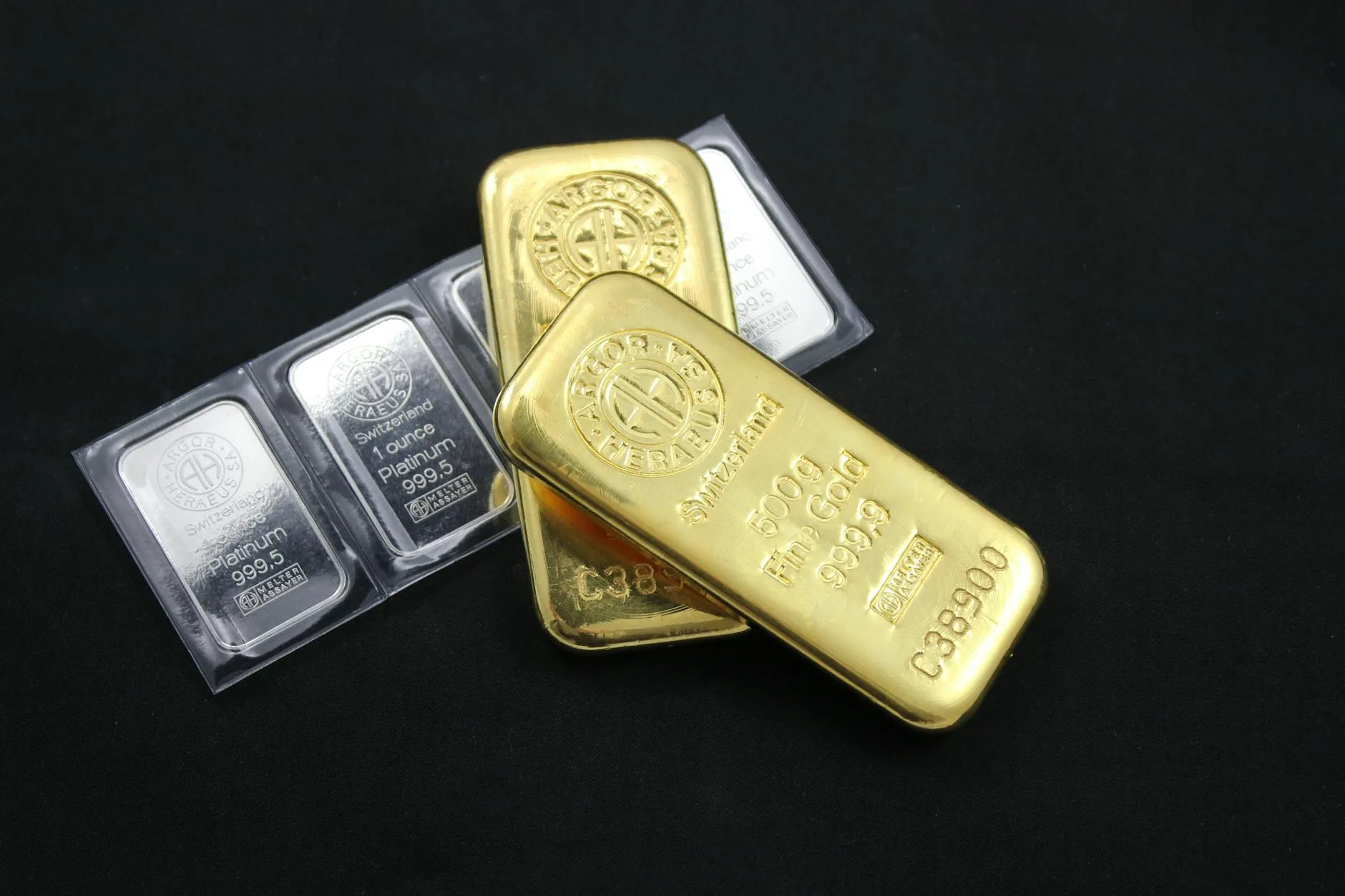
The Indian government has officially implemented stringent new regulations on the import of silver, marking a significant shift in trade policy aimed at curbing the rising inflow of the precious metal into the country. Announced this week, the policy update mandates stricter compliance and documentation for importers, impacting traders, bullion dealers, and jewelry manufacturers across major hubs like Mumbai, Delhi, and Jaipur. The move, which takes effect immediately, is designed to regulate domestic supply chains and manage the country’s widening trade deficit.
Contextualizing the Shift in Policy
India is one of the world’s largest consumers of silver, with demand driven by both the jewelry sector and industrial applications in electronics and solar panels. Historically, silver imports have remained largely fluid, but recent surges in volume have prompted the Ministry of Commerce to re-evaluate its oversight mechanisms. The government’s decision mirrors broader efforts to stabilize currency fluctuations and reduce the reliance on imported commodities that exert pressure on foreign exchange reserves.
Impact on the Jewelry and Bullion Trade
Industry stakeholders have expressed concern regarding the sudden nature of the regulatory adjustment. Small-scale jewelers, who rely on consistent silver supply to meet seasonal demand, fear that the administrative hurdles will lead to higher operational costs and potential supply bottlenecks.
Critics, including political figures and trade associations, argue that these curbs could inadvertently push smaller players toward economic distress. By increasing the complexity of import procedures, the government has essentially created a barrier to entry that favors larger, more capitalized corporations capable of navigating the new bureaucratic requirements.
Market Dynamics and Economic Implications
Data from recent trade reports indicates that silver imports have seen a double-digit percentage increase over the last two quarters, fueled by speculative buying and industrial growth. Analysts suggest that the government is attempting to preemptively address a potential overheating of the bullion market.
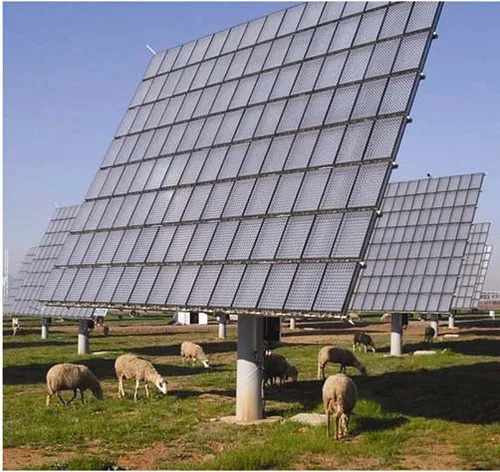
However, the move is not without its detractors. Economists point out that silver is a critical raw material for the burgeoning green energy sector in India. Restricting imports could inadvertently hike the cost of production for solar energy components, potentially hindering the national transition toward renewable energy targets.
Future Outlook and Industry Response
The immediate consequence for the market will likely be a period of price volatility as importers adjust to the new administrative landscape. Observers should monitor upcoming trade data to see if the volume of silver entering the country decreases as intended by the government’s directive.
Looking ahead, the long-term impact hinges on whether the government introduces exemptions for industrial-grade silver or if the crackdown remains a blanket policy. Market participants are now waiting for further clarifications from the Directorate General of Foreign Trade (DGFT) to determine if specific quotas will be established to protect the manufacturing sector from excessive price hikes.