




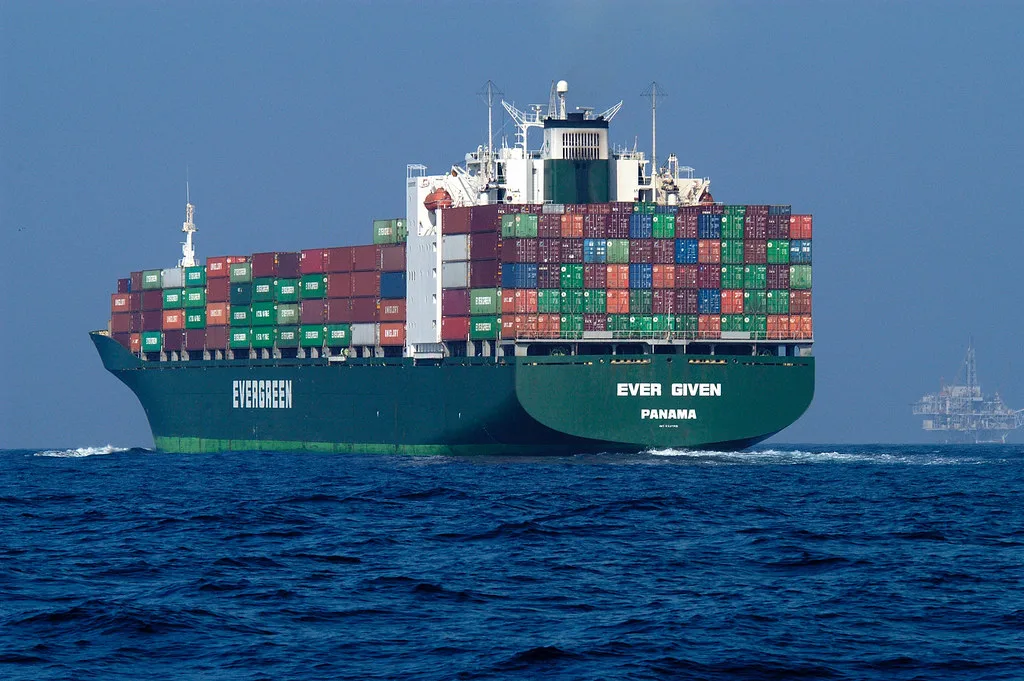
The Shipping Corporation of India (SCI) reported a significant surge in its financial performance for the fourth quarter ending March 31, with net profits more than doubling compared to the previous year. The Mumbai-based state-owned enterprise announced a consolidated net profit of ₹1,352.9 crore for the full fiscal year 2026, driven by robust operational gains and improved market conditions in the global maritime sector.
Understanding the Market Landscape
The maritime logistics industry has faced significant volatility over the past 24 months, influenced by shifting geopolitical tensions, fluctuating fuel costs, and evolving global supply chain demands. For SCI, which maintains a diverse fleet including tankers, bulk carriers, and liner vessels, the ability to capitalize on rising freight rates has been a critical factor in this quarter’s fiscal success.
Historically, SCI has operated as a cornerstone of India’s trade infrastructure, facilitating the movement of crude oil, petroleum products, and dry bulk commodities. Recent government initiatives aimed at bolstering the blue economy and increasing the domestic fleet size have provided a supportive regulatory environment for the company’s recent expansion efforts.
Detailed Financial Performance
Revenue from operations for the quarter reached ₹1,513.2 crore, reflecting a strong uptick in demand for shipping services. Analysts point to the company’s strategic focus on fleet optimization and cost management as primary drivers for the improved margins observed during the March quarter.
The company also declared a dividend for shareholders, signaling confidence in its liquidity position and long-term financial health. The sharp increase in profit margins suggests that SCI is successfully navigating the transition toward modernizing its fleet while maintaining operational efficiency amidst global inflationary pressures.
Industry Expert Perspectives
Financial analysts specializing in the shipping sector note that while global trade volumes have shown signs of cooling in specific regions, the demand for specialized tanker services remains resilient. The diversification of SCI’s portfolio acts as a buffer against cyclical downturns in specific shipping segments.
Data indicates that the company’s focus on long-term charters has shielded it from the worst of the spot rate volatility. By locking in stable contracts, SCI has managed to stabilize its cash flow, allowing for the dividend announcement that has been well-received by the investor community.
Industry Implications and Future Outlook
For investors and stakeholders, these results represent a pivotal shift in the company’s growth trajectory. The ability to maintain high profitability levels in a competitive international market underscores the effectiveness of current management strategies regarding asset utilization and debt reduction.
Looking ahead, industry observers are monitoring how SCI intends to allocate its capital expenditure for fleet renewal. As international maritime regulations mandate stricter environmental standards regarding carbon emissions, the company will face pressure to invest in greener, more fuel-efficient vessels. The market will be watching the upcoming fiscal quarters to see if the company can sustain this profitability while balancing the high costs associated with green-tech integration and sustainable shipping initiatives.