




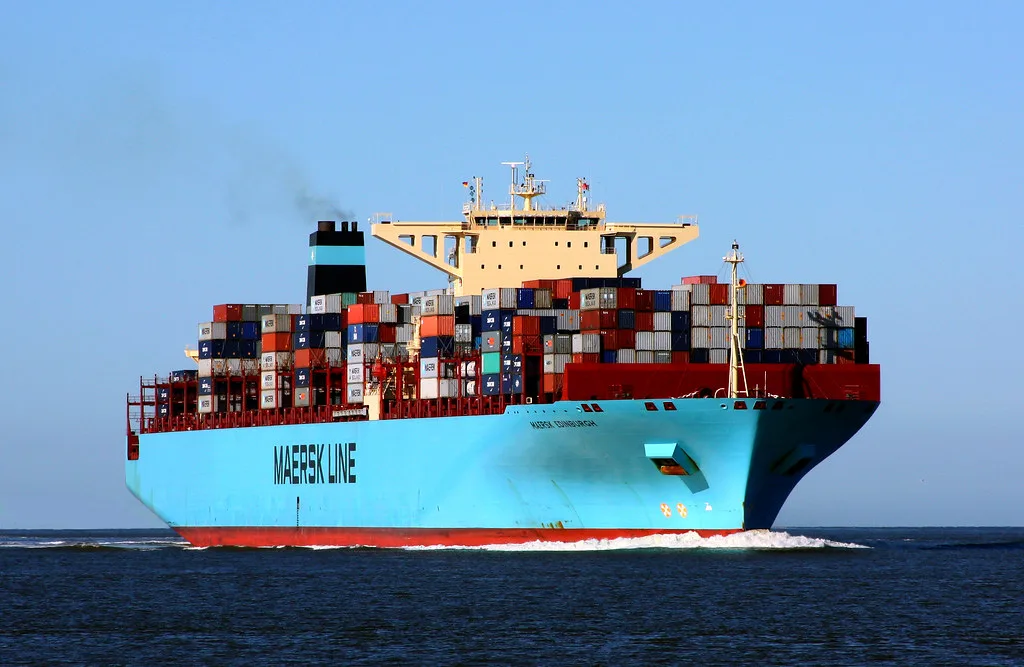
U.S. trade policy has undergone a series of significant, ongoing transformations under the Trump administration, characterized by the frequent implementation, revision, and judicial challenge of tariffs on a global scale. These trade measures, spanning sectors from steel and aluminum to consumer electronics, aim to protect domestic industries and leverage economic pressure in international negotiations.
The Evolution of Trade Barriers
The current tariff regime is the result of years of strategic pivots and reactive policy adjustments. Central to this approach was the invocation of Section 232 of the Trade Expansion Act of 1962, which allows the executive branch to impose tariffs based on national security concerns.
While these measures were designed to bolster American manufacturing, they frequently triggered retaliatory actions from trading partners, including the European Union, China, and Canada. The administration has since sought to formalize these protections through updated trade agreements, such as the USMCA, while simultaneously managing the fallout from tariffs that were deemed legally unenforceable by domestic and international courts.
Legal Hurdles and Judicial Oversight
The implementation of these tariffs has not been without significant legal friction. Several key components of the administration’s tariff strategy have faced challenges in the Court of International Trade and other appellate bodies.
In instances where courts ruled specific tariff applications illegal or procedurally flawed, the administration was forced to either rescind those specific levies or work to retroactively justify them through revised executive orders. This cycle of implementation and litigation has created a complex environment for importers and supply chain managers, who must navigate a landscape where duty rates can change with little notice.
Economic Impacts and Industry Responses
Data from the U.S. Bureau of Economic Analysis suggests that while specific protected sectors have seen modest gains in domestic production, the broader economic impact includes increased costs for downstream manufacturers. Many companies rely on imported raw materials, meaning that tariffs on steel and aluminum effectively act as a tax on domestic production, raising prices for consumers.
Economists point to the ‘deadweight loss’ associated with these trade barriers, noting that the disruption to global supply chains often outweighs the benefits accrued by the protected industries. Furthermore, the uncertainty surrounding the long-term status of these tariffs has led to a cautious approach toward capital expenditure among multinational corporations.
Future Outlook and Strategic Shifts
Looking ahead, the focus remains on the potential for further tariff expansions or targeted removals as trade negotiations proceed. Observers are closely monitoring how the administration balances domestic political pressures with the necessity of maintaining stable international trade relations.
Market participants should watch for upcoming administrative reviews that may signal a pivot toward more surgical, product-specific exclusions rather than broad-based tariffs. The integration of trade policy into national security strategy suggests that tariffs will remain a primary tool for the foreseeable future, requiring businesses to maintain high levels of supply chain agility and regulatory vigilance.