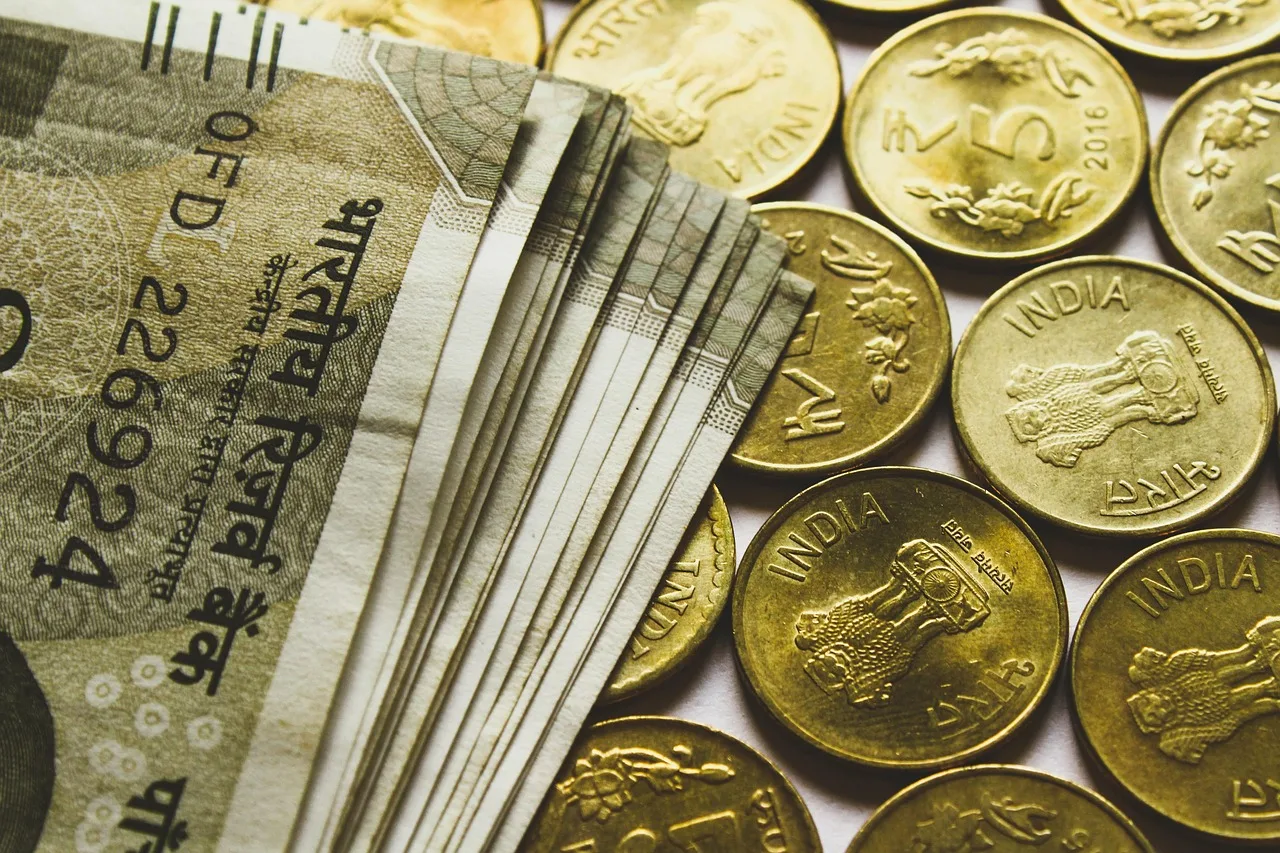








The Reserve Bank of India (RBI) reported a significant acceleration in the internationalisation of the Indian Rupee (INR) throughout the 2026 fiscal year, noting a sharp increase in its use for global trade invoicing and settlement. This strategic shift, aimed at reducing dependency on dominant reserve currencies, has gained traction among key trading partners seeking to mitigate volatility and lower transaction costs in cross-border settlements.
The Context of Currency Internationalisation
For decades, the US dollar has served as the primary medium for global trade, leaving emerging economies vulnerable to fluctuations in the Federal Reserve’s monetary policy. The RBI’s initiative to promote the rupee aims to insulate the domestic economy from external shocks while providing an alternative mechanism for bilateral trade.
The push for internationalisation gained formal momentum following the RBI’s 2022 framework, which allowed for the settlement of international trade in Indian Rupees. Since then, Indian banking institutions have opened Special Rupee Vostro Accounts (SRVAs) with partner banks in various jurisdictions to facilitate these transactions.
Expanding Trade Horizons
The expansion of INR-denominated trade is not limited to a single region but spans multiple continents. Recent data indicates that emerging markets and countries within the Global South are increasingly exploring local currency settlements to preserve their foreign exchange reserves.
By settling transactions in rupees, exporters and importers can bypass the need for third-party currency conversions. This reduction in the ‘double conversion’ process significantly lowers hedging costs for businesses operating in volatile market environments.
Expert Perspectives and Economic Data
Financial analysts highlight that the shift is driven by both economic necessity and geopolitical considerations. According to recent RBI bulletins, the diversification of payment channels is helping to stabilize trade flows despite the broader global economic slowdown.
Economists note that while the rupee is not yet a global reserve currency, its role as a regional settlement medium is growing. Data from the central bank confirms that the volume of trade settled via SRVAs has shown a consistent quarter-on-quarter increase throughout FY26, signaling sustained adoption by private sector participants.
Industry Implications and Future Outlook
For the Indian corporate sector, the internationalisation of the rupee means greater predictability in cash flow management. Companies can now invoice in their home currency, eliminating the risks associated with the appreciation or depreciation of foreign currencies against the rupee.
However, the transition brings challenges, including the need for deeper liquidity in the offshore rupee market. Financial institutions will likely focus on developing secondary market instruments that allow international holders of rupees to invest their balances efficiently.
Looking ahead, market observers are watching for the expansion of digital rupee (e-Rupee) integration into cross-border settlements. If the RBI successfully bridges the gap between traditional banking and central bank digital currency, it could further streamline international transactions and solidify the rupee’s position as a preferred trade medium in the coming years.