









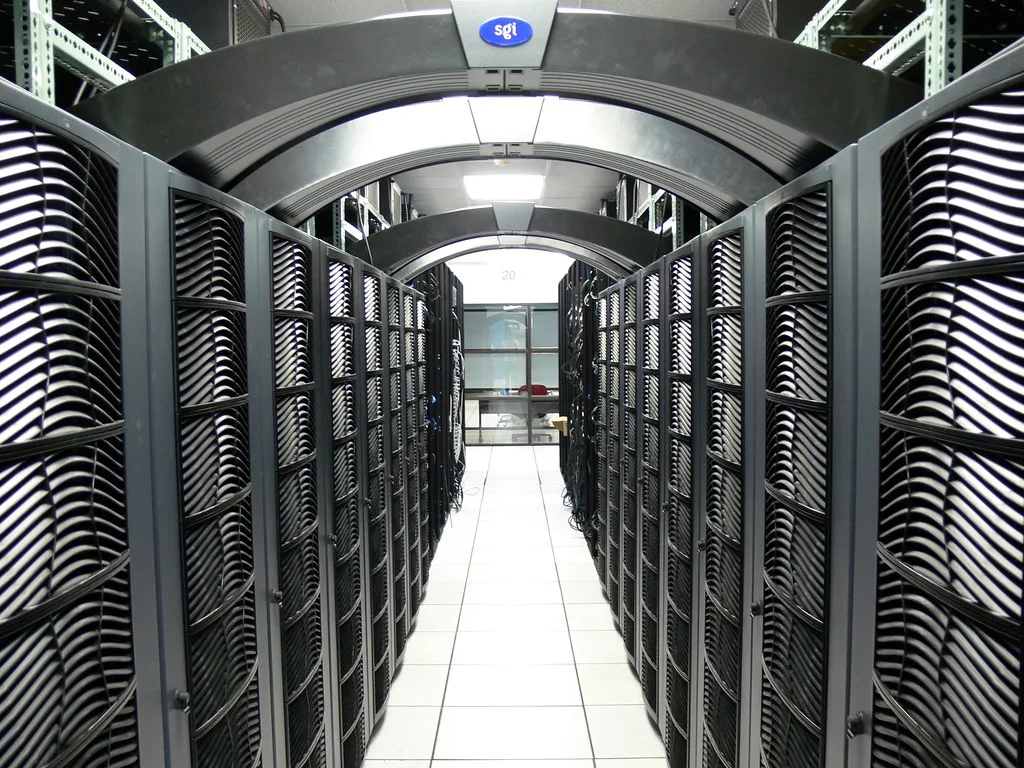
Oracle Corporation shares experienced a notable decline this week as investors reacted to the software giant’s aggressive capital expenditure strategy, despite the company reporting growth in both revenue and profit for the latest fiscal quarter. The Austin-based tech firm revealed that costs associated with building out its global network of massive data centers have surged, weighing heavily on investor sentiment even as demand for cloud infrastructure reaches record highs.
The High Cost of Artificial Intelligence Ambitions
The core of Oracle’s current financial narrative lies in its pivot toward supporting the rapidly evolving artificial intelligence sector. To compete with industry titans like Amazon Web Services, Microsoft Azure, and Google Cloud, Oracle has committed billions of dollars to expanding its cloud capacity.
These capital expenditures are necessary to house the high-performance graphics processing units (GPUs) required for training large language models. While the company maintains that this infrastructure is vital for its long-term competitive positioning, the immediate impact on free cash flow has unsettled shareholders accustomed to leaner operational models.
Market Reaction and Financial Performance
Oracle reported a revenue increase of 7% year-over-year, bolstered by a significant uptick in its cloud services and license support segments. However, the market’s focus remained squarely on the bottom line, where the company’s operating margins were pressured by the sheer scale of its infrastructure investments.
Wall Street analysts noted that while Oracle’s software-as-a-service (SaaS) offerings remain robust, the market is currently prioritizing capital efficiency over long-term speculative growth. The company’s stock price dipped in after-hours trading as investors weighed the uncertain timeline for when these massive data center investments will begin to yield substantial returns on invested capital.
Industry Context and Competitive Dynamics
The broader cloud computing industry is currently locked in an arms race that requires unprecedented physical infrastructure spending. Oracle’s situation mirrors that of other tech conglomerates that are currently forced to choose between short-term profitability and the ability to serve the growing needs of AI-focused enterprise clients.
According to recent data from industry analysts, global spending on data center infrastructure is expected to grow by double digits through 2026. Oracle faces the unique challenge of playing catch-up in the hyperscale cloud market while simultaneously attempting to maintain its historical strengths in database management and enterprise resource planning.
Implications for the Cloud Sector
The immediate implication for the industry is that the “AI premium” is becoming increasingly expensive to maintain. Companies that cannot demonstrate a clear path toward monetizing their hardware investments may face continued scrutiny from investors who are growing impatient with high-burn business models.
Looking forward, market watchers should monitor Oracle’s upcoming earnings calls for signs of stabilization in capital expenditure growth. The critical metric will be whether the company can successfully transition its newly built data centers into high-utilization environments, thereby improving margins as the initial heavy lifting of construction and hardware procurement concludes.