





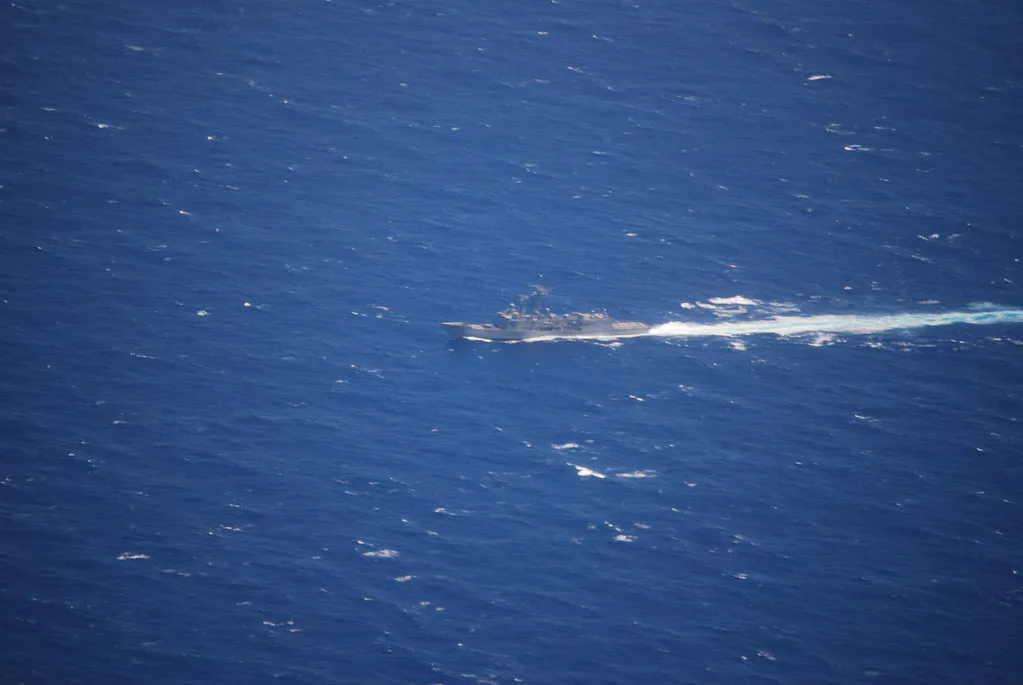
Global oil markets experienced increased volatility this week as President Donald Trump met with Chinese President Xi Jinping to discuss escalating tensions in the Strait of Hormuz. The high-stakes summit, held amidst growing fears of supply chain disruptions, focused on securing China’s diplomatic leverage to persuade Iran to de-escalate the ongoing conflict in the region.
The Strategic Significance of the Strait
The Strait of Hormuz serves as the world’s most critical maritime oil chokepoint, with approximately 20% of global petroleum consumption passing through its narrow waters daily. Any military escalation or blockade in this region threatens to trigger a global energy price shock, impacting economies from Asia to the West.
Historically, the Strait has been a focal point for geopolitical maneuvering. Recent reports from the U.S. Energy Information Administration (EIA) emphasize that even minor disruptions in this corridor can lead to immediate spikes in Brent and West Texas Intermediate (WTI) crude benchmarks.
Geopolitical Diplomacy and Energy Stability
The meeting between the two leaders underscores the complex relationship between global trade and energy security. As the world’s largest importer of crude oil, China maintains significant economic ties with Iran, giving Beijing a unique position to influence Tehran’s decision-making process.
Analysts suggest that the administration is seeking a multilateral approach to regional stability. By bringing China to the negotiating table, the U.S. aims to move beyond unilateral sanctions and toward a diplomatic resolution that keeps maritime trade routes open.
Market Volatility and Expert Analysis
Energy market analysts have expressed caution regarding the outcome of these talks. While diplomatic engagement is generally viewed as a positive signal, the uncertainty surrounding specific policy commitments has kept traders on edge.
“The market is currently pricing in a risk premium based on the assumption that the status quo is fragile,” said Sarah Jenkins, a senior energy strategist. “Investors are looking for concrete evidence that diplomatic pressure will result in tangible de-escalation rather than just rhetoric.”
Data from the Intercontinental Exchange shows that options trading volume for crude oil has surged, reflecting a heightened desire among institutional investors to hedge against sudden price swings. This volatility highlights the sensitivity of global energy prices to developments in the Middle East.
Industry Implications and Future Outlook
For the energy industry, the outcome of this summit will dictate capital expenditure strategies for the coming fiscal year. Companies are currently balancing the need for long-term infrastructure investment against the potential for sudden shifts in global supply routes.
Consumers may also feel the impact, as fluctuations in crude oil prices typically translate to changes at the fuel pump within weeks. If the diplomatic efforts prove unsuccessful, energy analysts warn that global markets could face a sustained period of increased costs and supply chain instability.
Looking ahead, market observers are closely monitoring any official joint statements from the summit regarding specific maritime security protocols. The next phase will likely involve tracking tanker traffic through the Strait of Hormuz to determine if geopolitical tensions have begun to subside or if the threat of conflict remains a primary driver of global oil prices.