Advancing Rail Infrastructure in Northeast India
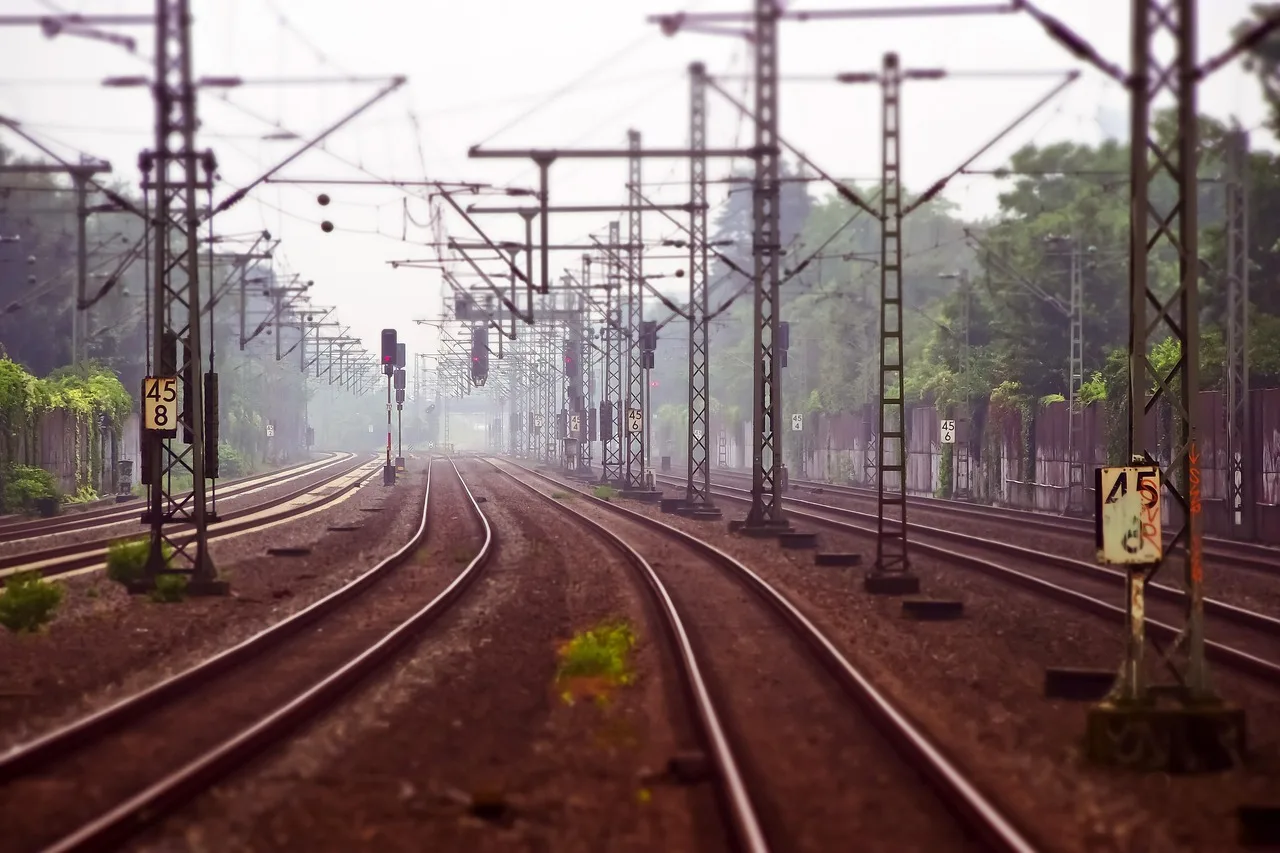
The Northeast Frontier Railway (NFR) is finalizing preparations to launch electric train services connecting Tripura and Assam, marking a significant milestone in the region’s transportation modernization. Tripura Power Minister Ratan Lal Nath recently confirmed that the Tripura State Electricity Corporation Ltd. (TSECL) has successfully achieved 100 percent electrification across the state’s 271-kilometer railway network, clearing a critical technical hurdle for the transition.
Context of the Electrification Project
For decades, the railway network in Northeast India relied exclusively on diesel locomotives, which faced logistical challenges due to the region’s rugged terrain and reliance on fuel imports. The transition to electric traction is part of a broader Indian Railways initiative to achieve complete network electrification to reduce carbon emissions and operational costs. The completion of the infrastructure in Tripura aligns with the national goal of creating a seamless, sustainable, and high-speed rail corridor linking the Seven Sister States to the rest of the country.
Operational Shifts and Benefits
The shift to electric trains is expected to significantly increase the speed and frequency of both passenger and freight services. Electric locomotives offer higher torque and faster acceleration compared to their diesel counterparts, which is particularly beneficial for the undulating landscapes of the Northeast. By eliminating the need for frequent refueling stops and reducing maintenance complexity, the NFR anticipates a reduction in overall transit times between Agartala and major hubs in Assam, such as Guwahati.
Economic and Environmental Impact
Industry analysts suggest that this infrastructure upgrade will catalyze economic development in Tripura. Improved rail connectivity is projected to lower the cost of transporting goods, potentially boosting the agricultural and manufacturing sectors in the state. Furthermore, the move supports the Indian government‘s ‘Net Zero’ target by drastically cutting the carbon footprint of regional logistics. According to data from the Ministry of Railways, electrified lines generally reduce energy consumption costs by nearly 30 percent, providing a fiscal incentive for the switch.
Future Implications and Regional Connectivity
As the NFR prepares to transition from test runs to full commercial electric operations, stakeholders are closely watching the impact on passenger ridership. The successful integration of Tripura’s grid with the railway network sets a precedent for neighboring states currently undergoing similar electrification projects. Looking ahead, the focus will shift to the expansion of high-speed signaling systems and the procurement of modern electric rolling stock capable of handling the unique climate conditions of the region. The next phase of development will likely involve integrating these electric lines with international transit corridors, further positioning Tripura as a logistics gateway for Southeast Asian trade routes.