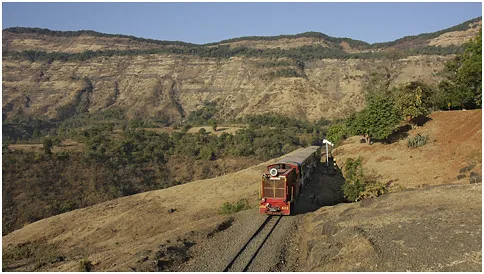
Travelers navigating the Indian Railways network are increasingly weighing the benefits of the legacy Rajdhani Express against the modern Vande Bharat fleet when planning scenic cross-country trips. As tourism demand shifts toward experiential rail travel, passengers are evaluating which platform offers the superior vantage point for India’s diverse landscapes, ranging from the Western Ghats to the Himalayan foothills.
The Evolution of Indian Rail Tourism
For decades, the Rajdhani Express has served as the gold standard for long-distance connectivity, offering traditional comfort and overnight sleeper facilities. These trains connect the national capital to major state hubs, traversing vast stretches of rural and semi-urban geography that capture the essence of the Indian hinterland.
Conversely, the Vande Bharat Express represents the new face of Indian rail travel, focusing on high-speed connectivity, aerodynamic design, and large, panoramic windows. Engineered for shorter, daytime intercity transit, these trains prioritize speed and technological integration, altering how passengers interact with the passing scenery.
Comparative Advantages: Speed vs. Sightseeing
The primary distinction between the two services lies in their operational model. The Rajdhani often travels through the night, which limits daylight viewing opportunities but maximizes efficiency for long-haul commuters. Its classic layout is designed for rest, whereas the Vande Bharat is built for observation.
Vande Bharat’s large, toughened glass windows provide an unobstructed view of the terrain, a feature specifically marketed to tourists. Industry data suggests that routes such as the Mumbai-Goa or Delhi-Dehradun sectors have seen a surge in ridership specifically among leisure travelers who prefer the daytime visibility offered by the Vande Bharat.
Expert Perspectives on Route Selection
Rail analysts point out that the choice depends heavily on the specific geography of the route. For routes like the Konkan Railway, where the track cuts through tunnels and lush tropical forests, the Vande Bharat’s higher window placement and cleaner glass panels provide a distinct advantage for photography and observation.
However, transit experts note that the Rajdhani remains the superior choice for routes involving massive distances, such as travel to Northeast India or Kerala. In these instances, the sleeper berths allow passengers to wake up to changing landscapes that would otherwise be inaccessible during a shorter, high-speed daytime sprint.
Industry Implications and Future Trends
The competition between these two services is pushing the Indian Railways to modernize its legacy fleet. Plans are currently underway to upgrade passenger amenities in older trains to mirror the aesthetic and functional standards set by the Vande Bharat, including better window transparency and improved lighting.
For the consumer, the trend is clear: the focus is shifting from simple point-to-point transportation to the quality of the transit experience. As the rail network continues to electrify and expand its high-speed tracks, future travelers can expect more specialized tourist-centric routes that prioritize scenery alongside schedule reliability.
Looking ahead, industry analysts suggest watching for the introduction of ‘Vande Bharat Sleeper’ variants. This hybrid model aims to combine the aesthetic benefits of modern train design with the long-distance comfort of the Rajdhani, potentially rendering the debate over speed versus scenery obsolete.