





The Strategic Consolidation of American Energy
NextEra Energy, the world’s largest renewable energy company, is reportedly in advanced discussions to acquire rival utility giant Dominion Energy. This potential merger, which would unite two of the most significant power providers in Florida and Virginia, comes as the United States faces unprecedented demand for electricity driven by the rapid expansion of artificial intelligence infrastructure and energy-intensive data centers.
The Growing Demand for Power
The utility sector is currently undergoing a massive transformation as the digital economy expands. Analysts note that the surge in generative AI requires massive computing power, which in turn necessitates a constant, reliable supply of electricity. According to data from the International Energy Agency (IEA), global electricity demand from data centers could double by 2026, putting immense pressure on existing grid infrastructure.
Synergy and Scale in Utility Operations
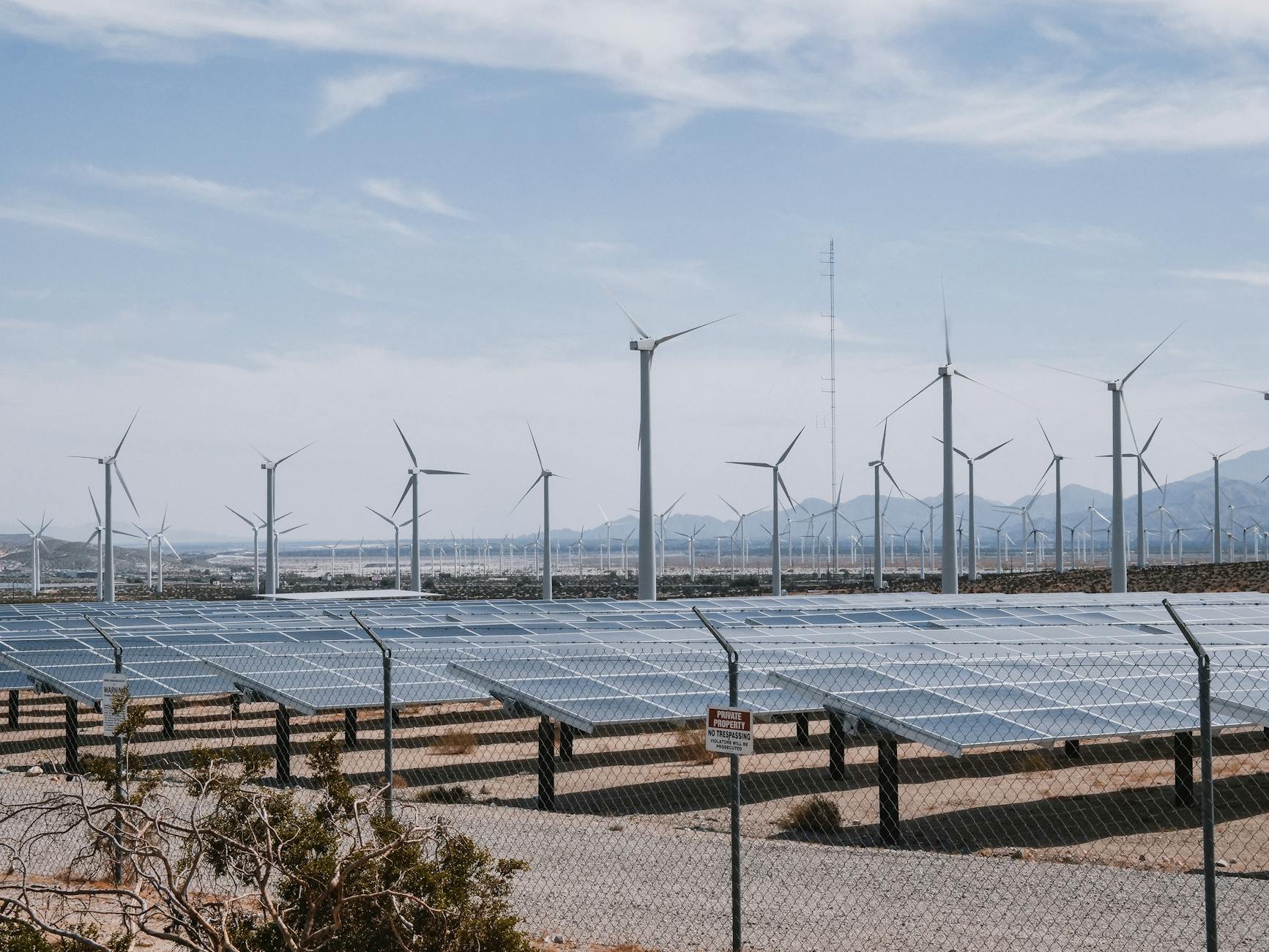
A combination of NextEra and Dominion would create a utility powerhouse with a vast footprint across the Atlantic and Southeast regions of the United States. NextEra, headquartered in Juno Beach, Florida, has long been a leader in wind and solar generation. Dominion, based in Richmond, Virginia, maintains a robust presence in regulated utility services and natural gas infrastructure.
Market experts suggest that the merger would allow for significant economies of scale. By pooling resources, the combined entity could better manage the capital-intensive process of upgrading regional grids to handle the shift toward electrification. The acquisition would also provide the merged firm with a more diversified portfolio, hedging against regional weather events and fluctuating fuel costs.
Expert Perspectives on Regulatory Hurdles
Industry analysts warn that such a massive consolidation will inevitably face rigorous scrutiny from federal and state regulators. The Federal Energy Regulatory Commission (FERC) and the Department of Justice frequently intervene in utility mergers to ensure that competition remains healthy and that consumer rates are not unfairly inflated. “The regulatory path is the primary hurdle for a deal of this magnitude,” stated one industry consultant familiar with large-scale infrastructure transactions.
Furthermore, the transition to green energy remains a complex regulatory landscape. While NextEra is a proponent of renewable integration, integrating Dominion’s legacy assets into a unified sustainability strategy requires careful coordination with state-level utility commissions in Virginia and North Carolina.
Implications for the Energy Landscape
For investors and consumers alike, the potential merger signals a new era of utility consolidation. As the grid becomes the backbone of the tech industry, utilities are no longer just regional service providers; they are critical infrastructure partners for global technology firms. This shift necessitates larger balance sheets and more aggressive investment strategies to keep pace with the power-hungry demands of the cloud.
Looking ahead, industry observers are watching for details on debt financing and potential divestitures that might be required to satisfy antitrust concerns. The outcome of these talks could set a precedent for how future energy infrastructure projects are funded and managed in an age defined by the AI arms race.