





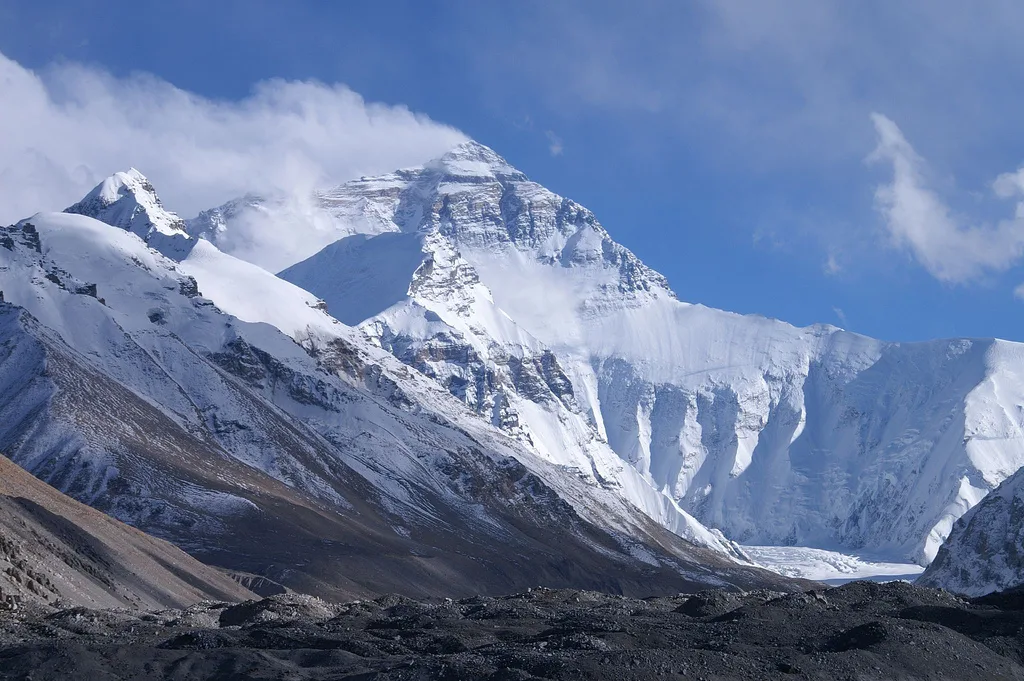
A New Peak in Climbing History
A record-breaking 274 climbers successfully reached the summit of Mount Everest from the Nepal side in a single day this week, according to government officials. The unprecedented surge was facilitated by a rare window of clear weather that prompted a massive push from base camp. This event marks one of the busiest 24-hour periods in the history of Himalayan mountaineering.
The Logistics of High-Altitude Crowds
Mount Everest, the world’s highest peak at 8,848.86 meters, has a limited climbing season typically restricted to a narrow window in May. Before the monsoon clouds arrive, climbers must navigate the precarious ‘death zone,’ where oxygen levels are insufficient to sustain human life for extended periods. Historically, this brief window creates a bottleneck effect, as hundreds of climbers wait for favorable winds and stable pressure systems.
The Nepal Department of Tourism granted a record number of permits this season, fueling concerns about the mountain’s carrying capacity. While the infrastructure at Base Camp has expanded to accommodate more expeditions, the physical path to the summit remains narrow and unforgiving. The success of these 274 climbers highlights the increasing efficiency of logistics, yet it also underscores the growing pressure on the mountain’s delicate ecosystem.
Expert Perspectives on Safety and Sustainability
Veteran mountaineers and safety experts have long warned that such density creates significant risks. The ‘traffic jam’ phenomenon, frequently documented in recent years, can force climbers to wait in line at dangerous altitudes. According to data from the Himalayan Database, prolonged exposure to high-altitude conditions is a primary contributor to exhaustion and oxygen depletion, which are leading causes of fatalities on the mountain.
“The sheer volume of people moving through the Hillary Step simultaneously creates a logistical nightmare,” notes one high-altitude logistics consultant. “While modern weather forecasting technology has improved significantly, enabling these mass summits, the human element remains the most unpredictable variable.” The environmental impact is also under scrutiny, as the influx of climbers leaves behind significant waste, including discarded oxygen cylinders and abandoned gear, forcing the Nepal government to implement stricter waste management protocols.
Industry Implications and Future Outlook
For the climbing industry, this record-setting day demonstrates a shift toward high-volume, guided expeditions. As commercial interest continues to grow, the industry is moving toward more sophisticated digital monitoring systems to manage climber flow. However, the reliance on narrow weather windows remains a systemic vulnerability that no amount of technology can fully mitigate.
Industry analysts are now watching how Nepal’s tourism authorities will adjust permit regulations for the coming years. There is mounting pressure to introduce stricter experience requirements for applicants to ensure that those attempting the summit are adequately prepared for the physical demands of high-altitude navigation. As climate change continues to impact the stability of Himalayan glaciers, experts will be closely monitoring how these environmental shifts interact with the increasing human traffic on the world’s tallest peak.