




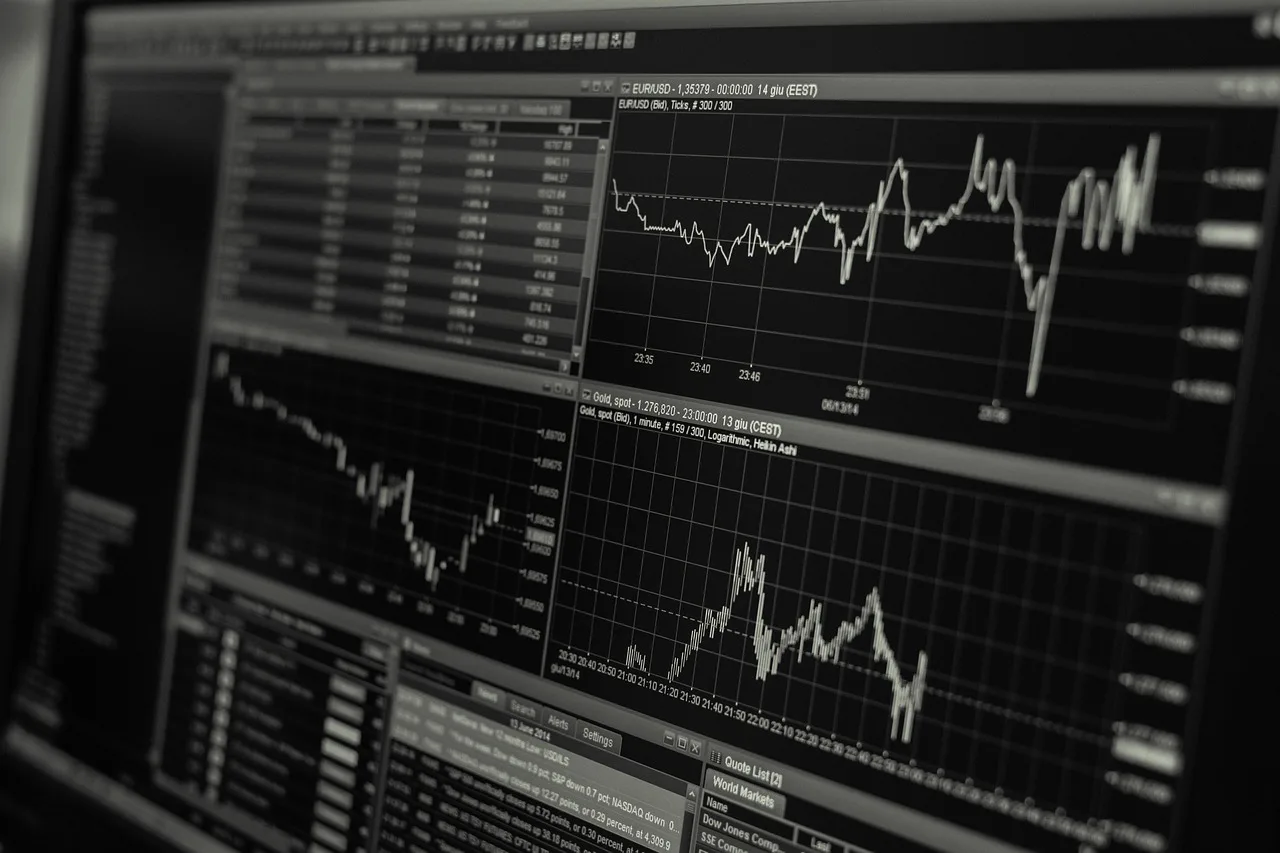
The S&P 500 reached an unprecedented record high on Wednesday, defying a convergence of geopolitical instability in the Middle East and persistent domestic inflationary pressures. Despite escalating conflict involving Iran and rising fuel costs that have eroded consumer sentiment, investors continue to aggressively purchase equities, signaling a profound shift in market psychology.
The Divergence Between Sentiment and Performance
The current market landscape presents a striking contradiction between public mood and asset valuation. While the University of Michigan’s Consumer Sentiment Index has recently dipped due to concerns over gas prices and the cost of living, the stock market remains unphased.
Historically, markets often react sharply to geopolitical shocks. However, current data suggests that the S&P 500 is prioritizing corporate earnings reports and macroeconomic resilience over external news cycles.
The Role of Corporate Earnings and Tech Dominance
Analysts point to the robust performance of large-cap technology stocks as the primary engine behind the current rally. Companies with significant cash reserves have proven capable of absorbing higher operating costs without sacrificing profitability.
“The market is currently looking past the headline volatility of oil prices,” says Sarah Jenkins, a senior market strategist at Global Wealth Partners. “Investors are betting that artificial intelligence infrastructure spending will provide a structural floor for earnings, regardless of short-term energy shocks.”
Data from the latest earnings season shows that a majority of S&P 500 companies have exceeded analyst expectations. This suggests that businesses have successfully passed on inflationary costs to consumers, maintaining margins that support higher share prices.
Inflationary Pressures and Interest Rate Expectations
Stubborn inflation remains a primary concern for the Federal Reserve, which has signaled a cautious approach to future interest rate cuts. While high borrowing costs typically discourage equity investment, the market appears to have priced in a “higher for longer” interest rate environment.
The shift in investor behavior reflects a belief that the U.S. economy can achieve a “soft landing.” By avoiding a recession despite high rates, companies are showing a level of durability that was not anticipated earlier this year.
Implications for the Broader Economy
For individual investors, the disconnect between the stock market and the real economy highlights the importance of diversification. While equities are currently riding a wave of optimism, the reliance on a narrow group of technology firms poses a risk if market breadth does not improve.
Financial experts advise caution as the market hits these new milestones. The primary risk remains a sudden spike in energy prices that could force the Federal Reserve to adopt a more hawkish stance, potentially triggering a market correction.
Moving forward, market participants will be closely monitoring the upcoming Consumer Price Index (CPI) reports and any escalation in regional conflicts. The critical question remains whether earnings growth can continue to outpace the mounting costs of inflation and geopolitical uncertainty in the coming quarter.