





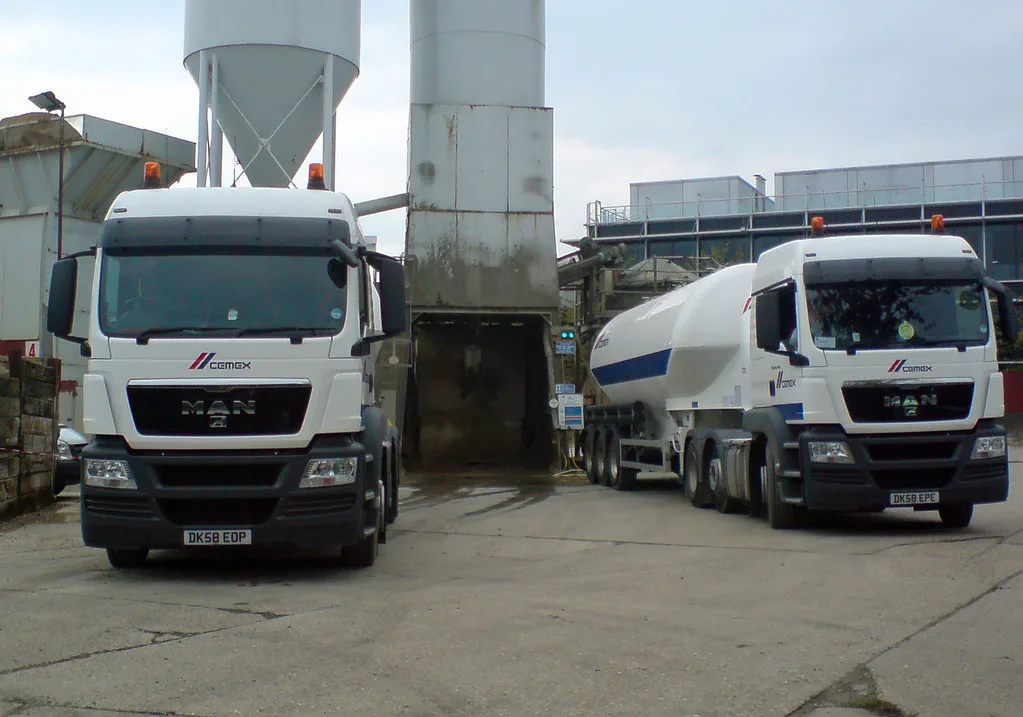
Indian cement manufacturers are bracing for a significant contraction in profit margins this quarter as a sharp increase in fuel prices drives up logistics and transportation costs by an estimated ₹60 to ₹90 per tonne. The sudden inflationary pressure, effective immediately, threatens to destabilize the bottom lines of major players across the country as energy-intensive production processes become increasingly expensive.
Understanding the Logistics Burden
Cement production is inherently energy-intensive, requiring massive amounts of coal and petcoke for kiln firing and significant diesel consumption for the transportation of raw materials and finished goods. Because cement is a high-volume, low-value commodity, transportation represents a substantial portion of the total cost of sales for manufacturers.
When diesel prices rise, the cost of moving limestone from quarries to plants and transporting finished cement bags to retail hubs escalates immediately. Industry analysts note that logistics typically account for nearly 30% to 40% of the total operating cost for most cement companies, making them highly vulnerable to fuel price volatility.
Market Volatility and Operational Costs
The recent fuel hike arrives at a challenging time for the construction sector, which is already grappling with fluctuating raw material costs. While cement demand remains steady due to government-led infrastructure projects, manufacturers have limited pricing power in a highly competitive market.
Data from recent industry reports suggests that if fuel prices remain at these elevated levels, the average EBITDA per tonne could drop by mid-single digits. Smaller regional players are expected to suffer more than industry giants, as they lack the economies of scale required to absorb such drastic cost increases without passing them on to the consumer.
Expert Perspectives on Industry Impact
Financial analysts monitoring the sector point out that the ability to pass on costs through price hikes is constrained by regional demand-supply imbalances. In areas where capacity utilization is low, manufacturers are often forced to absorb the cost increases to maintain market share.
According to credit rating agencies, the cement industry has seen a consistent rise in power and fuel expenses over the last three quarters. If the current trend persists, companies may be forced to accelerate their transition toward renewable energy sources, such as waste heat recovery systems and solar power, to hedge against future fossil fuel shocks.
Implications for the Sector
For investors and stakeholders, the immediate concern is the potential for earnings downgrades in the upcoming quarterly reports. Companies with high debt-to-equity ratios will likely face increased scrutiny as they attempt to manage compressed margins while maintaining capital expenditure programs.
Looking ahead, market participants should monitor how major manufacturers adjust their retail pricing strategies in the coming weeks. If companies successfully implement modest price increases across key regions, the impact on profitability may be mitigated. Conversely, if fuel prices continue to climb, the industry may see a temporary slowdown in new capacity additions as firms prioritize operational efficiency over expansion.