





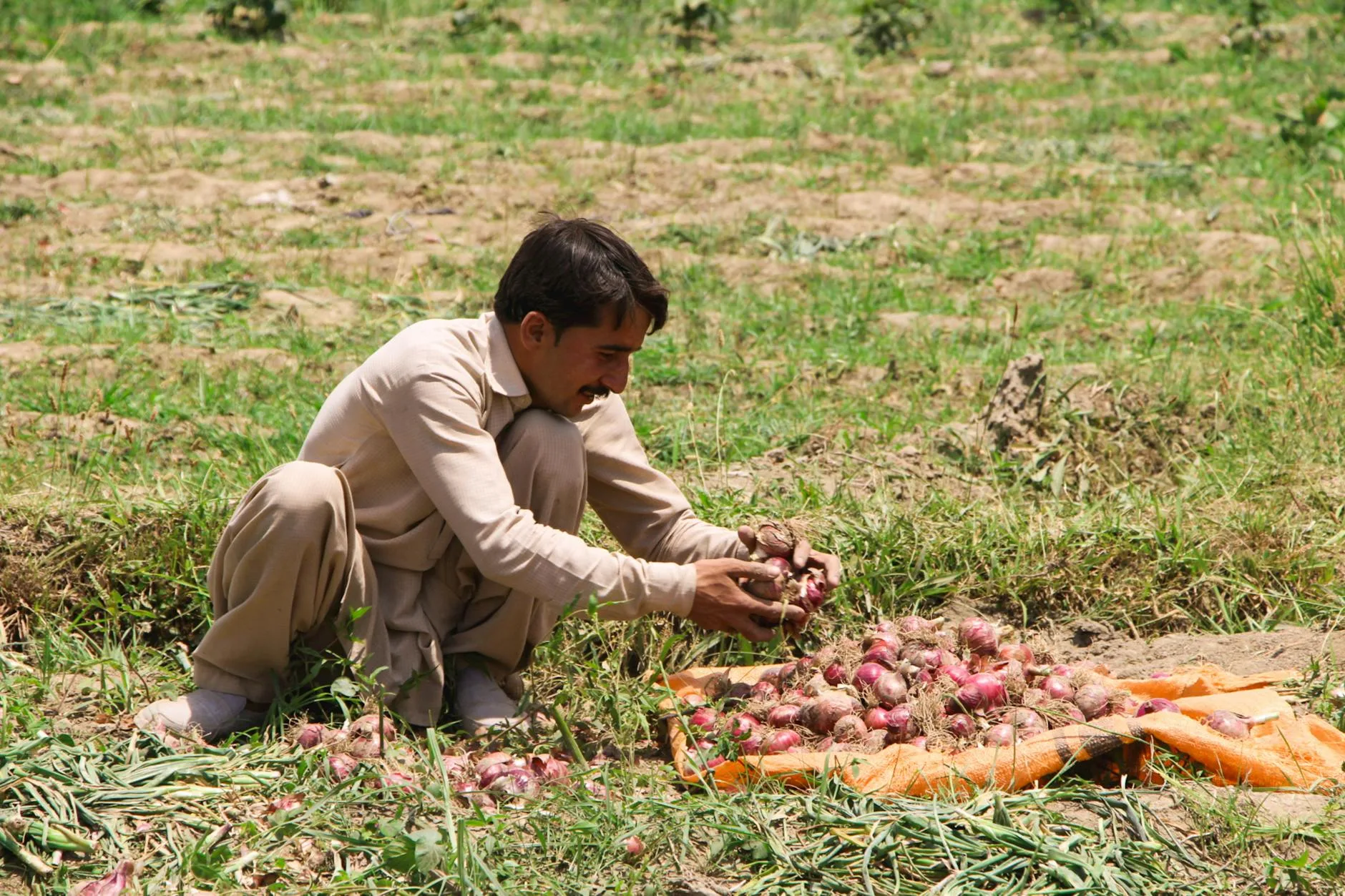
Onion farmers across Maharashtra, India’s primary agricultural hub for the commodity, are grappling with a severe economic crisis this month as market prices have plummeted well below production costs. A volatile combination of bumper harvests, weakened export demand, and unseasonal rainfall has created a surplus that is currently rotting in fields and markets, leaving thousands of producers in significant financial distress.
The Anatomy of a Market Crash
The current crisis stems from a perfect storm of supply-side pressure and logistical hurdles. Farmers who invested heavily in seeds, fertilizers, and labor are now forced to sell their produce at a fraction of the market price, often failing to recover even the basic cost of cultivation.
Data from local agricultural produce market committees (APMCs) indicates that wholesale onion prices have dropped to levels that barely cover transportation costs. Many farmers report selling at a deficit, as the market is flooded with lower-quality produce impacted by recent unseasonal rains.
Export Disruptions and Logistic Challenges
India remains a top global exporter of onions, but recent government policy shifts and international trade complexities have constricted the flow of goods. When exports are throttled, the domestic market becomes oversaturated, leading to a rapid decline in prices.
Furthermore, the perishable nature of the crop means that farmers have little leverage. Without adequate cold storage infrastructure, produce must be sold immediately, forcing growers to accept whatever price is offered by traders to avoid total loss.
Expert Perspectives on Agricultural Volatility
Agricultural economists point to the lack of price stabilization mechanisms as a primary driver of this recurring cycle.