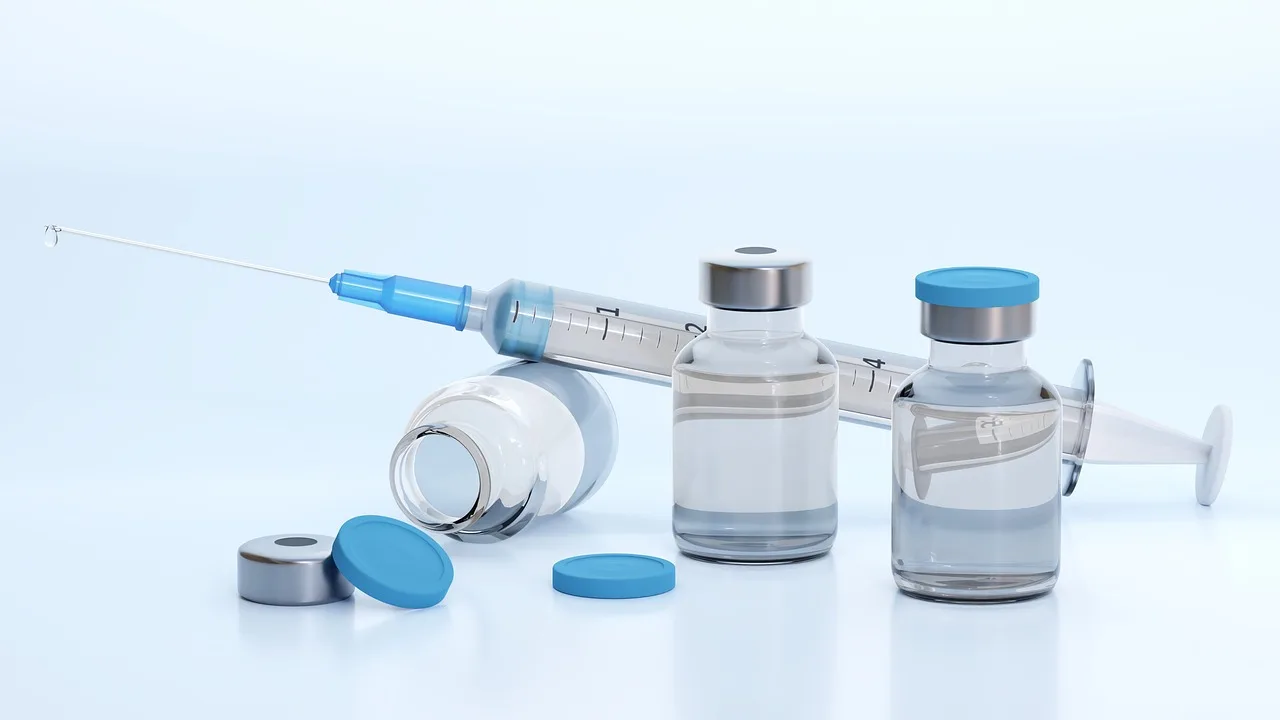





Global pharmaceutical major Lupin Limited announced this week that it has received final approval from the United States Food and Drug Administration (USFDA) for its ranibizumab biosimilar, a key therapeutic equivalent to Genentech’s blockbuster drug, Lucentis. This regulatory milestone, granted to the Mumbai-based company, marks a significant expansion of its ophthalmic portfolio in the North American market. Following the announcement, Lupin’s shares saw minor volatility, closing at ₹2,251.00 on the BSE, reflecting a marginal dip as investors weigh the competitive landscape of the biosimilar sector.
Understanding the Biosimilar Landscape
Biosimilars are highly similar versions of existing biologic medicines that have been approved for use after the original patent expires. Lucentis (ranibizumab) is widely prescribed for the treatment of neovascular age-related macular degeneration (nAMD), a leading cause of vision loss in older adults, as well as other retinal conditions like diabetic macular edema.
By introducing a biosimilar, Lupin aims to provide a more cost-effective alternative to the original therapy. The high cost of biologics has long been a focal point for healthcare providers and insurers, making the entry of lower-cost alternatives a critical driver for market accessibility.
Strategic Implications for Lupin
The approval underscores Lupin’s ongoing pivot toward complex generics and specialty products. For years, the company relied heavily on traditional oral solids, but the current strategy prioritizes high-entry-barrier segments, including inhalers and injectables.
Industry analysts suggest that this approval is timely, as the global market for ophthalmic biosimilars continues to grow in tandem with an aging population. While the US market is already served by several competitors, Lupin’s ability to scale production and manage supply chain logistics will determine its ultimate market share gains.
Expert Perspectives and Market Data
Market research firm IQVIA has consistently highlighted that biosimilars are essential for sustainable healthcare spending. Data indicates that the entry of biosimilars typically leads to price erosion of 20% to 40% for the reference product, significantly lowering the financial burden on the US healthcare system.
Dr. Anish Kumar, a senior pharmaceutical analyst, notes that “regulatory approvals for complex molecules like ranibizumab are not just a win for the company’s bottom line, but a validation of their R&D capabilities in the highly regulated US environment.” However, he cautions that commercial success depends on the company’s ability to secure favorable formulary positions against established players.
Future Outlook and Competitive Watch
The next phase for Lupin involves navigating the complex landscape of US reimbursement and distribution channels. As the company prepares for a commercial launch, stakeholders will be monitoring the company’s pricing strategy and its ability to capture market share from incumbent manufacturers.
Looking ahead, observers should watch for further updates regarding the company’s manufacturing capacity and potential partnerships for distribution. As patent cliffs continue to approach for other major biologics, Lupin’s success with this launch will likely serve as a benchmark for its future pipeline performance in the specialty drug sector.