





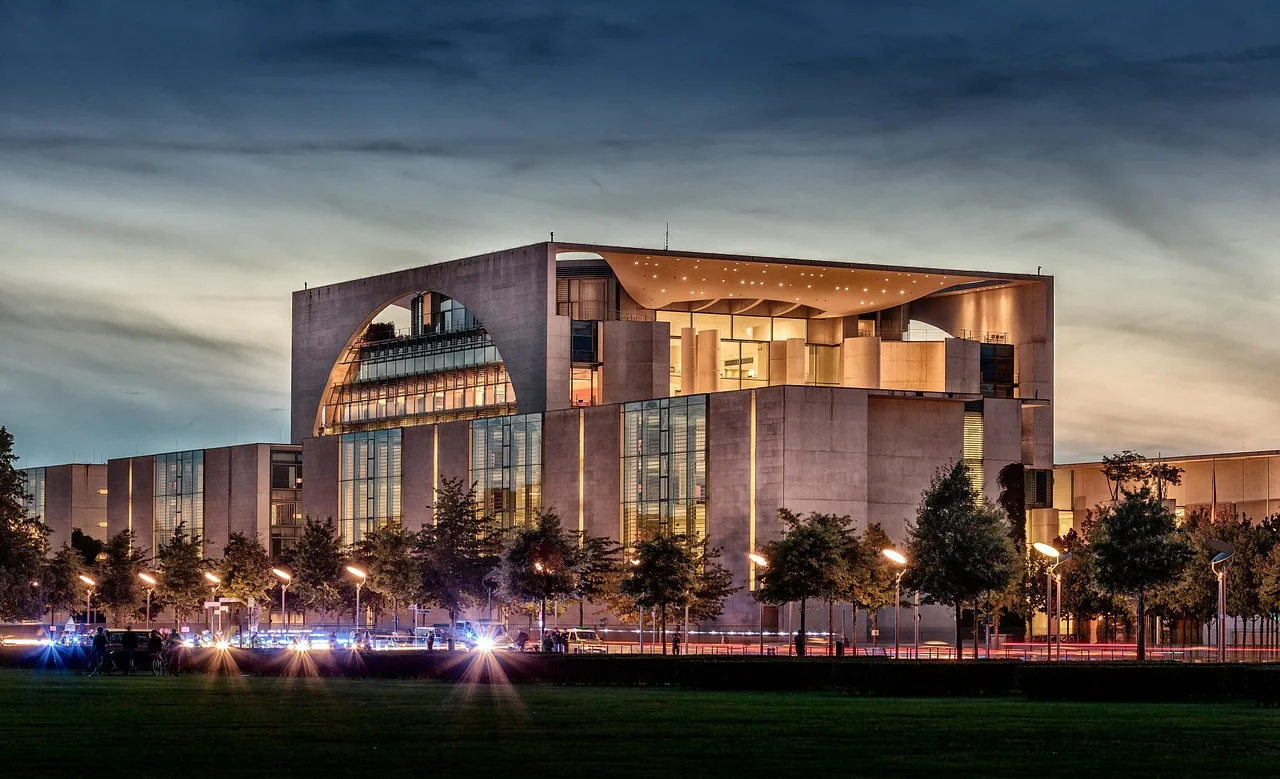
The New Leadership at the Federal Reserve
Kevin Warsh has officially assumed the role of Chair of the Federal Reserve in Washington, D.C., stepping into the position during a period of acute economic volatility. Tasked with steering the U.S. economy, Warsh faces the immediate challenge of managing the highest inflation rates seen in years, a hurdle that complicates the aggressive interest rate cuts publicly demanded by President Trump.
Context of the Economic Landscape
The Federal Reserve operates under a dual mandate: to promote maximum employment and stable prices. For the past several years, the central bank has struggled to balance these goals as supply chain disruptions and shifting consumer demand pushed inflation well above the Fed’s traditional two-percent target.
Warsh, a former member of the Federal Reserve Board of Governors, brings significant experience to the role. His previous tenure during the 2008 financial crisis is often cited by analysts as evidence of his ability to navigate systemic banking instability, though the current inflationary climate presents a distinct set of policy constraints.
The Collision of Policy and Politics
The primary tension facing Warsh involves the disconnect between White House expectations and macroeconomic realities. President Trump has repeatedly signaled a preference for lower interest rates to spur domestic investment and maintain high growth levels.
However, economic indicators suggest that premature rate cuts could exacerbate inflationary pressures. Data from the Bureau of Labor Statistics recently confirmed that core inflation remains sticky, particularly in the service and housing sectors. If the Fed lowers rates too quickly, it risks de-anchoring inflation expectations, potentially leading to a long-term wage-price spiral.
Expert Analysis on Monetary Strategy
Financial analysts are closely monitoring how Warsh manages the Fed’s communication strategy. According to reports from major investment firms, the markets are looking for clarity on whether the Fed will prioritize short-term stimulus or long-term price stability.
“The Chair is caught between a rock and a hard place,” noted one senior economist. “Warsh must prove his independence from political pressure while simultaneously convincing markets that the Fed has a credible plan to bring inflation back toward the target range without triggering a recession.”
Implications for the Financial Sector
For the average consumer, this leadership transition signals potential volatility in mortgage rates and credit costs. As long as inflation remains elevated, borrowing costs are unlikely to decrease significantly, impacting everything from small business loans to consumer credit card debt.
Institutional investors are bracing for a period of “higher for longer” interest rates, which often leads to reallocations of capital away from high-growth tech stocks and toward defensive assets. Financial institutions are currently stress-testing portfolios to account for the possibility that the Fed may be forced to hike rates further if inflation data does not show a downward trend in the coming quarter.
Looking Ahead
Market participants will look to the upcoming Federal Open Market Committee (FOMC) meeting for definitive guidance on the policy path. Observers are particularly focused on the language used in the post-meeting statement, which will serve as the first major indicator of whether Warsh intends to hold the line on rates or pivot toward a more dovish stance. The coming months will determine if the Fed can successfully engineer a soft landing or if the economy is headed for a more turbulent correction.