





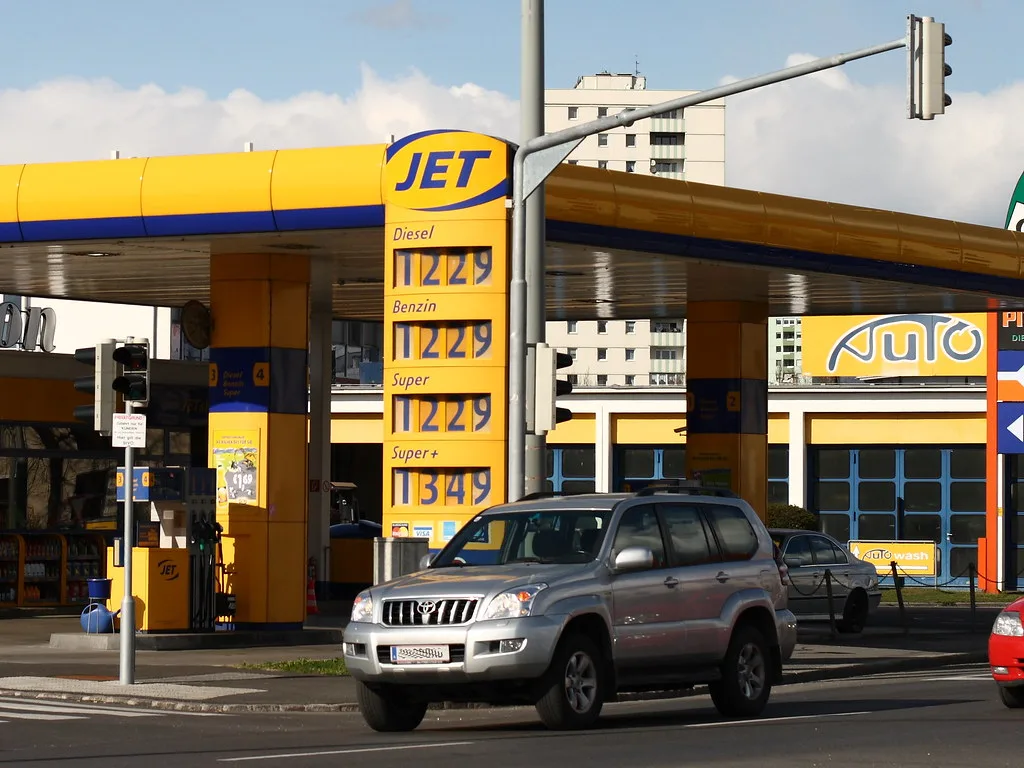
Energy analysts and market experts warn that American drivers should prepare for sustained high gasoline prices that could persist for months, if not years, as global supply chain disruptions and geopolitical instability continue to rattle the fuel market. Patrick De Haan, head of petroleum analysis at GasBuddy, stated this week that the path toward market normalization is a long-term endeavor that shows no signs of immediate relief for consumers.
Understanding the Drivers of Market Volatility
The current fuel crisis stems from a complex intersection of factors, primarily rooted in the post-pandemic recovery and ongoing international conflicts. When global travel demand plummeted in 2020, energy companies scaled back production, leading to a massive contraction in refinery capacity.
As demand surged back to pre-pandemic levels, supply chains struggled to recalibrate. The energy sector is currently grappling with a structural deficit that cannot be resolved by simply turning a valve, as refining crude oil into gasoline requires significant time and infrastructure investment.
The Complexity of Global Energy Constraints
Refining capacity remains a critical bottleneck for the industry. Many aging refineries were decommissioned during the pandemic, and the capital-intensive nature of building new facilities discourages rapid expansion. Without these processing hubs operating at full efficiency, gasoline supply remains artificially constrained.
Geopolitical tensions have further exacerbated these issues. Sanctions and trade limitations on major oil-producing nations have tightened the global crude supply, driving up input costs for refineries. According to data from the Energy Information Administration (EIA), domestic production levels have yet to return to their peak, leaving the market highly sensitive to any geopolitical shocks or supply chain interruptions.
Expert Perspectives on Market Trends
Industry analysts emphasize that consumers should adjust their financial planning to account for higher transportation costs. “It will be a very long, multi-month to multi-year process for things to fully normalize,” noted Patrick De Haan. His assessment reflects a consensus among market observers that the era of inexpensive fuel is currently on hold.
Economic data suggests that sustained high prices are beginning to alter consumer behavior. Retail spending patterns show a shift away from discretionary travel as households prioritize essential expenses. Economists point out that if prices remain elevated, the impact on inflation and broader consumer confidence could be profound.
Future Implications for Consumers and Industry
Looking ahead, the energy sector is watching several key indicators that will dictate the pace of change. Investors are monitoring refinery maintenance schedules, which often lead to seasonal price spikes, as well as potential government interventions aimed at stabilizing domestic fuel reserves.
The shift toward electric vehicle adoption is also accelerating in response to persistent volatility at the pump. As the long-term outlook for gasoline remains uncertain, policymakers and automotive manufacturers are increasingly focused on long-term energy independence through renewable alternatives. Observers suggest that the upcoming fiscal quarters will be pivotal in determining whether supply chains can achieve a new equilibrium or if structural high-price environments become the new normal for the foreseeable future.