





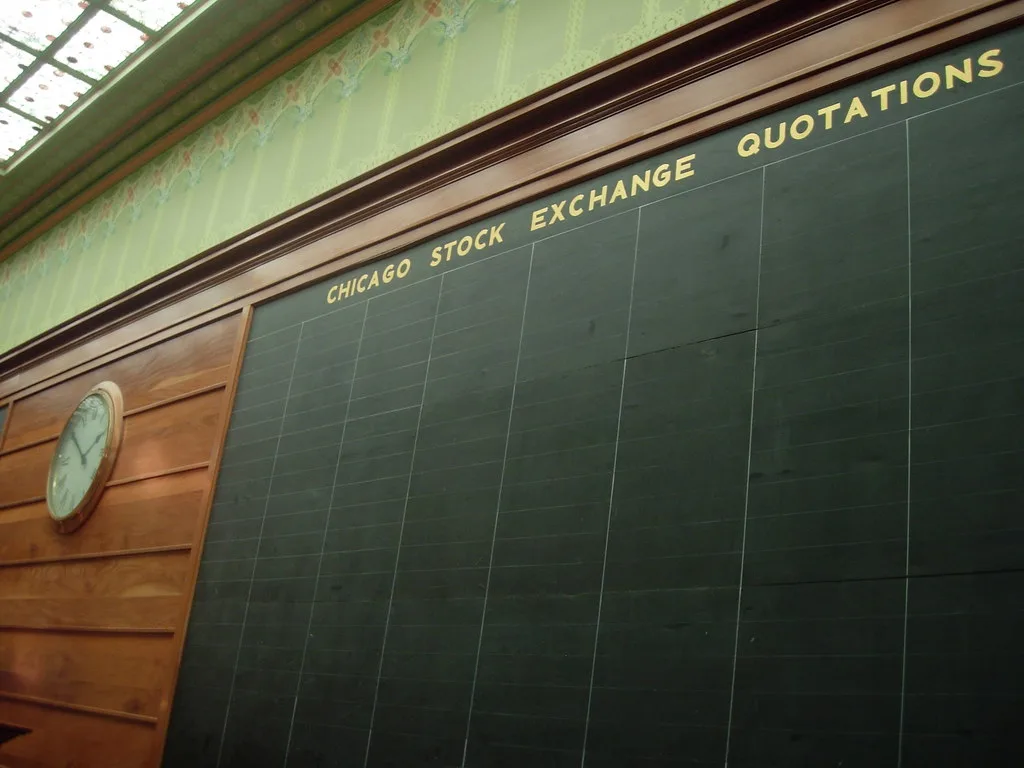
The S&P 500 reached a fresh record high on Wednesday, defying a complex backdrop of escalating geopolitical tensions in the Middle East and persistent domestic inflation. Despite rising energy costs and a noticeable decline in consumer confidence, investors have continued to funnel capital into equities, signaling a robust appetite for risk that has surprised many market analysts.
The Paradox of Current Market Performance
This rally arrives at a time when the economic outlook appears increasingly clouded. The recent conflict involving Iran has introduced significant uncertainty into global energy markets, driving up crude oil prices and threatening to reignite inflationary pressures that the Federal Reserve has struggled to tame throughout the year.
Historically, such geopolitical instability often triggers a flight to safety, with investors moving assets from stocks into bonds or precious metals. However, the current market environment shows a decoupling of stock performance from traditional macroeconomic indicators, as investors prioritize corporate earnings strength over short-term geopolitical headlines.
Corporate Earnings and Economic Resilience
A primary driver of this sustained momentum is the surprising resilience of corporate balance sheets. Major firms have demonstrated an ability to navigate higher input costs by passing expenses to consumers, maintaining profit margins that exceed Wall Street expectations.
According to recent FactSet data, earnings growth for S&P 500 companies has remained positive throughout the current quarter. This financial discipline allows companies to justify higher valuations even as interest rates remain at their highest levels in over a decade.
Shifting Investor Sentiment
The disconnect between consumer confidence and market performance is particularly striking. While the Conference Board’s Consumer Confidence Index has trended downward, citing concerns over the cost of living and job security, institutional investors appear to be looking past these immediate hurdles.
Market strategists suggest that the anticipation of a potential shift in monetary policy remains a central focus. Traders are closely monitoring the Federal Reserve for any signals regarding potential interest rate cuts, betting that the central bank will move to protect the economy if inflation begins to cool or if growth falters significantly.
Implications for Future Stability
For the average investor, this trend highlights the danger of attempting to time the market based solely on geopolitical news cycles. While the volatility in the Middle East poses a tangible risk to energy supply chains, the broader equity market has shown a remarkable ability to digest these shocks without succumbing to panic.
Looking ahead, market participants should monitor upcoming quarterly reports for signs of margin compression. If companies can no longer offset rising costs, the current optimism may face a significant test. Furthermore, upcoming inflation data will be the final arbiter for Federal Reserve policy, determining whether the current record-breaking rally can be sustained through the remainder of the fiscal year.