





Shifting Consumer Behavior in the Gold Market
As gold prices continue to hover near historic highs, jewellery consumers across global markets are increasingly shifting toward a ‘browse-now, buy-later’ approach to navigate persistent price volatility. This trend, observed throughout the third quarter of 2024, reflects a strategic hesitation as buyers attempt to time their acquisitions against fluctuating market corrections.
The current environment is defined by a disconnect between long-term investment sentiment and immediate retail affordability. While gold remains a traditional hedge against inflation, the rapid price appreciation has forced a reevaluation of non-essential luxury purchases among middle-market consumers.
The Context of Price Sensitivity
Gold prices have experienced significant upward pressure throughout the year, driven by central bank buying, geopolitical instability, and anticipation of shifting interest rate policies. This volatility has translated directly into higher retail price tags for gold jewellery, which often carries additional premiums for craftsmanship and design.
Retailers report that foot traffic remains steady, yet conversion rates—the percentage of browsers who complete a transaction—have slowed significantly. Consumers are now spending more time researching daily price indices before committing to purchases, particularly for high-weight pieces that represent substantial financial outlays.
Market Analysis and Industry Response
Data from recent market reports indicates that while the total volume of gold sold is showing signs of contraction, the value of those transactions remains elevated. Jewelers are responding to this shift by diversifying their inventories to include lower-karat options and lightweight designs that mitigate the impact of high gold prices on the final ticket price.
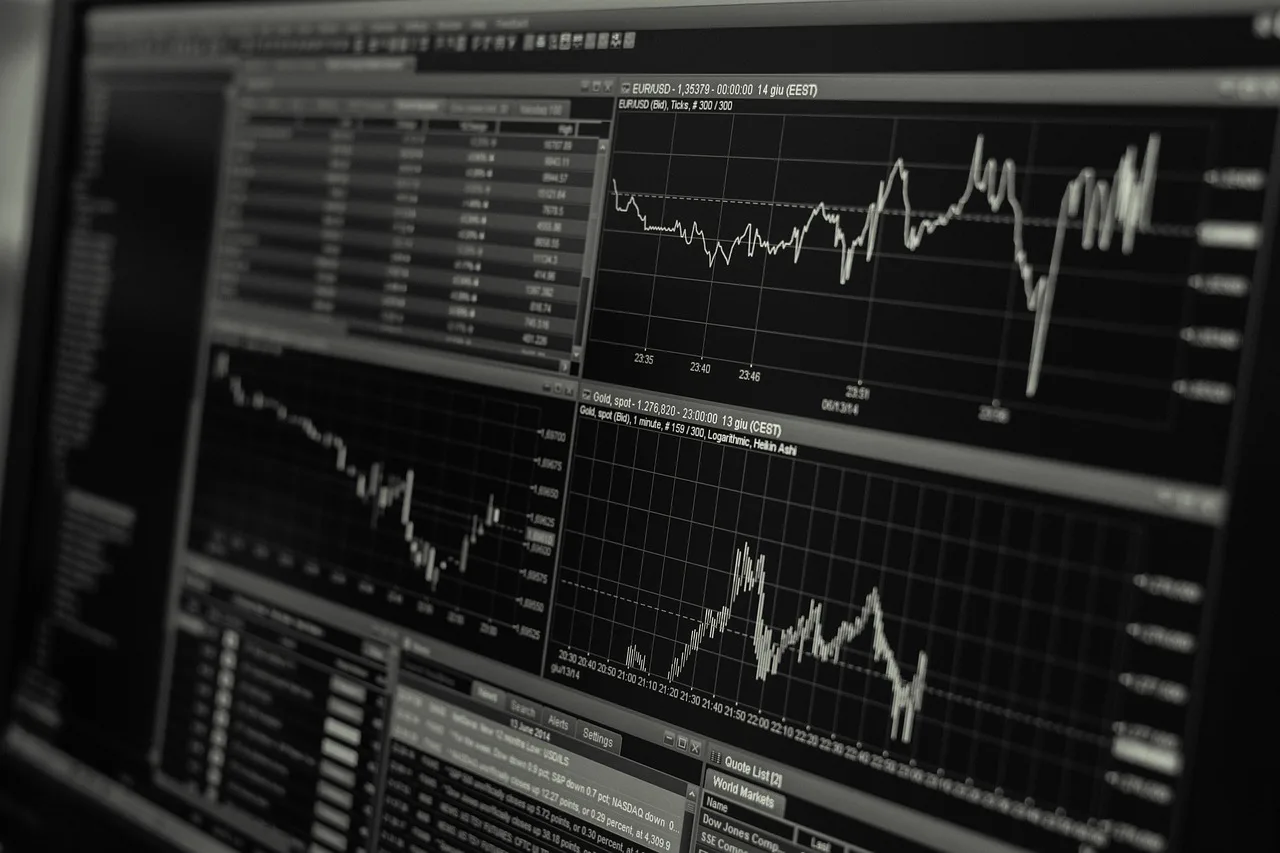
“The consumer is no longer making impulsive decisions on gold jewellery,” explains market analyst Sarah Jenkins. “They are tracking price charts with the same intensity as equity investors, waiting for a dip that may or may not materialize in the short term.”‘
Industry experts emphasize that this behavior is not necessarily a rejection of gold as a commodity, but rather a tactical adjustment to current economic pressures. Retailers who offer transparent pricing and buy-back guarantees are seeing better retention rates, as these features provide the security buyers crave in a volatile market.
Implications for the Retail Landscape
For the jewellery industry, this trend necessitates a pivot in sales strategy. Retailers are increasingly focusing on the ‘value-add’ aspect of their products, highlighting design, heritage, and emotional significance to justify the price point beyond the raw material cost.
Moving forward, the industry must watch closely how interest rate adjustments impact the broader precious metals market. If price volatility persists, the trend toward ‘delayed gratification’ could lead to a permanent change in consumer buying cycles, forcing retailers to rely more heavily on seasonal promotions or flexible financing options to maintain consistent sales velocity throughout the year.