





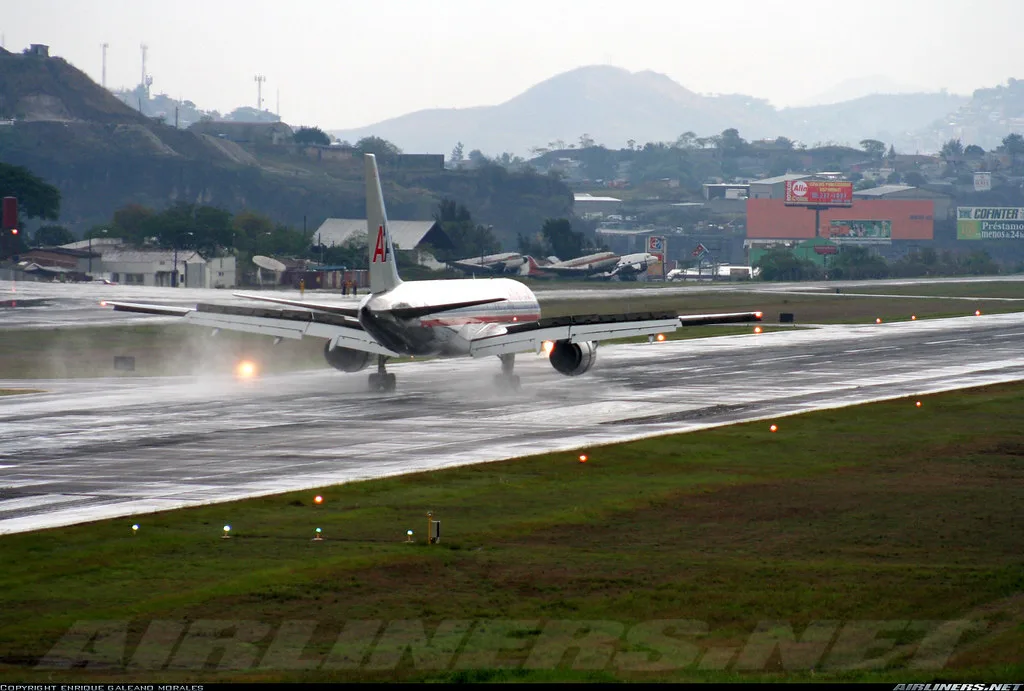
IndiGo Airlines issued a formal travel advisory on Friday, warning passengers of significant flight disruptions at Jaipur International Airport due to adverse weather conditions. The carrier notified travelers that air traffic flow and ground visibility were compromised, urging passengers to monitor their flight status closely before heading to the airport.
Context of Unpredictable Weather Patterns
The sudden disruptions in Jaipur coincide with a broader shift in national meteorological conditions. According to the India Meteorological Department (IMD), the country is bracing for a highly volatile month of May, characterized by a mix of extreme temperature fluctuations and wetter-than-usual conditions.
Meteorologists have noted that the atmospheric instability currently impacting Rajasthan is part of a larger, systemic shift. The IMD recently confirmed that rainfall across the country is likely to be above normal for the remainder of the month, a deviation from traditional seasonal expectations.
Operational Challenges and Passenger Impact
Aviation experts highlight that during periods of extreme weather, airlines must prioritize safety protocols, which often lead to cascading delays. When visibility drops below safety thresholds at major hubs like Jaipur, ground operations are frequently halted to ensure the safety of both flight crews and airport personnel.
“Weather-related ground stops are non-negotiable for safety, but they create a ripple effect throughout the entire network,” says a senior aviation analyst. “A delay in Jaipur can result in aircraft being out of position for subsequent flights in Delhi, Mumbai, or Bengaluru, forcing airlines to manage complex scheduling adjustments in real-time.”
Data-Driven Meteorological Forecasts
The IMD’s latest long-range forecast underscores the growing frequency of these weather-induced disruptions. Data indicates that the warming of the Indian Ocean, combined with shifts in moisture-laden winds, is contributing to the increased probability of heavy precipitation even in arid regions.
This data suggests that the aviation industry, which relies on precise scheduling, may face a challenging season. Infrastructure at major airports is being tested by these intense bursts of rainfall and high-speed winds, which often move faster than traditional weather models can predict.
Industry Implications and Future Outlook
For the average traveler, these developments signal a period of increased uncertainty. Airlines are increasingly utilizing predictive analytics to notify passengers of potential delays hours in advance, a shift aimed at reducing congestion within terminal buildings.
Industry observers suggest that the focus for the coming months will be on how infrastructure can adapt to these climate-induced challenges. Investment in advanced runway lighting and sophisticated meteorological monitoring systems at regional airports will likely become a priority for aviation authorities.
Looking ahead, travelers should prepare for a season of heightened vigilance regarding flight schedules. Aviation stakeholders are currently monitoring the development of further storm systems, with the IMD expected to release updated warnings as the monsoon transition period approaches.