





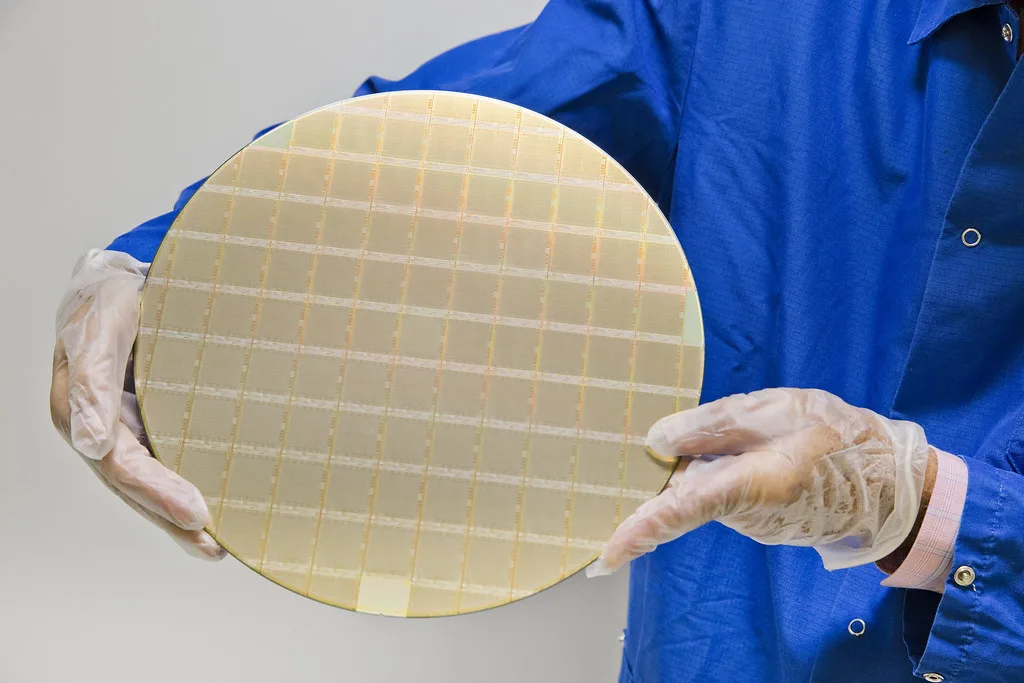
India is rapidly positioning itself as a formidable global player in the semiconductor industry as the government and private sector collaborate to build a robust domestic manufacturing ecosystem. Driven by a massive pool of design talent and an expanding internal market, the nation aims to secure its supply chain independence and integrate deeply into the global technology value chain throughout 2024 and beyond.
The Strategic Context of Semiconductor Sovereignty
For decades, the global semiconductor landscape has been dominated by a handful of nations, leaving many economies vulnerable to supply chain disruptions. The COVID-19 pandemic and subsequent geopolitical tensions highlighted the critical need for regional diversification in chip production.
India’s entry into this high-stakes arena is supported by the India Semiconductor Mission (ISM), a government initiative providing significant financial incentives. By offering fiscal support covering up to 50% of project costs, the government is lowering the barrier to entry for international manufacturers and domestic conglomerates alike.
Leveraging Talent and Market Demand
The core of India’s competitive advantage lies in its human capital. India currently accounts for roughly 20% of the world’s semiconductor design engineers, providing a ready-made workforce for advanced research and development.
Furthermore, the domestic demand for electronics is projected to reach $400 billion by 2025. This internal market provides a stable foundation for manufacturers, ensuring that locally produced chips have a ready consumer base in the automotive, telecommunications, and consumer electronics sectors.
Industry Perspectives and Economic Integration
Industry analysts point out that while the hardware manufacturing journey is just beginning, the software foundation is already mature. According to data from the India Electronics and Semiconductor Association (IESA), the country’s semiconductor design market is expected to grow at a compound annual growth rate of nearly 20% over the next five years.
Global giants such as Micron and various other stakeholders have already begun committing capital to establish assembly, testing, marking, and packaging (ATMP) units in the country. These investments represent a significant vote of confidence in India‘s infrastructure and policy stability.
Implications for the Global Supply Chain
For the broader technology industry, India’s rise means a necessary recalibration of global logistics. As companies seek a ‘China Plus One’ strategy, India offers a blend of cost-efficiency, technical expertise, and democratic stability that few other regions can match.
For the average consumer and domestic industry, this shift implies a future of more reliable access to electronic components. It also signals a transformation in the local economy, moving from a service-oriented IT model toward a sophisticated hardware manufacturing powerhouse.
As the first wave of manufacturing facilities nears completion, industry observers will be watching the graduation rate of specialized manufacturing technicians and the government’s ability to sustain long-term infrastructure investment. The focus will now shift toward scaling production volumes and establishing a local supply chain for raw materials, such as specialty gases and high-purity chemicals, to ensure true manufacturing autonomy.