




India’s national power grid recorded a massive peak demand of 267.45 gigawatts (GW) at 15:29 hours on Friday, narrowly missing the all-time record of 270.82 GW established just one day prior. The surge in energy consumption, driven primarily by extreme heatwaves sweeping across the subcontinent, highlights the growing strain on the country’s energy infrastructure during peak solar hours.
The Context of Rising Energy Consumption
India has been grappling with prolonged heatwaves that have pushed electricity usage to historic levels throughout the summer months. As temperatures soar, residential and commercial reliance on air conditioning and cooling systems has skyrocketed, placing immense pressure on the national grid.
The Ministry of Power and the Grid Controller of India have been closely monitoring these fluctuations to ensure grid stability. Last year, the nation faced similar challenges, but the consistency of demand hovering above the 260 GW mark in 2024 signals a new baseline for the country’s energy requirements.
Analyzing the Peak Demand Surge
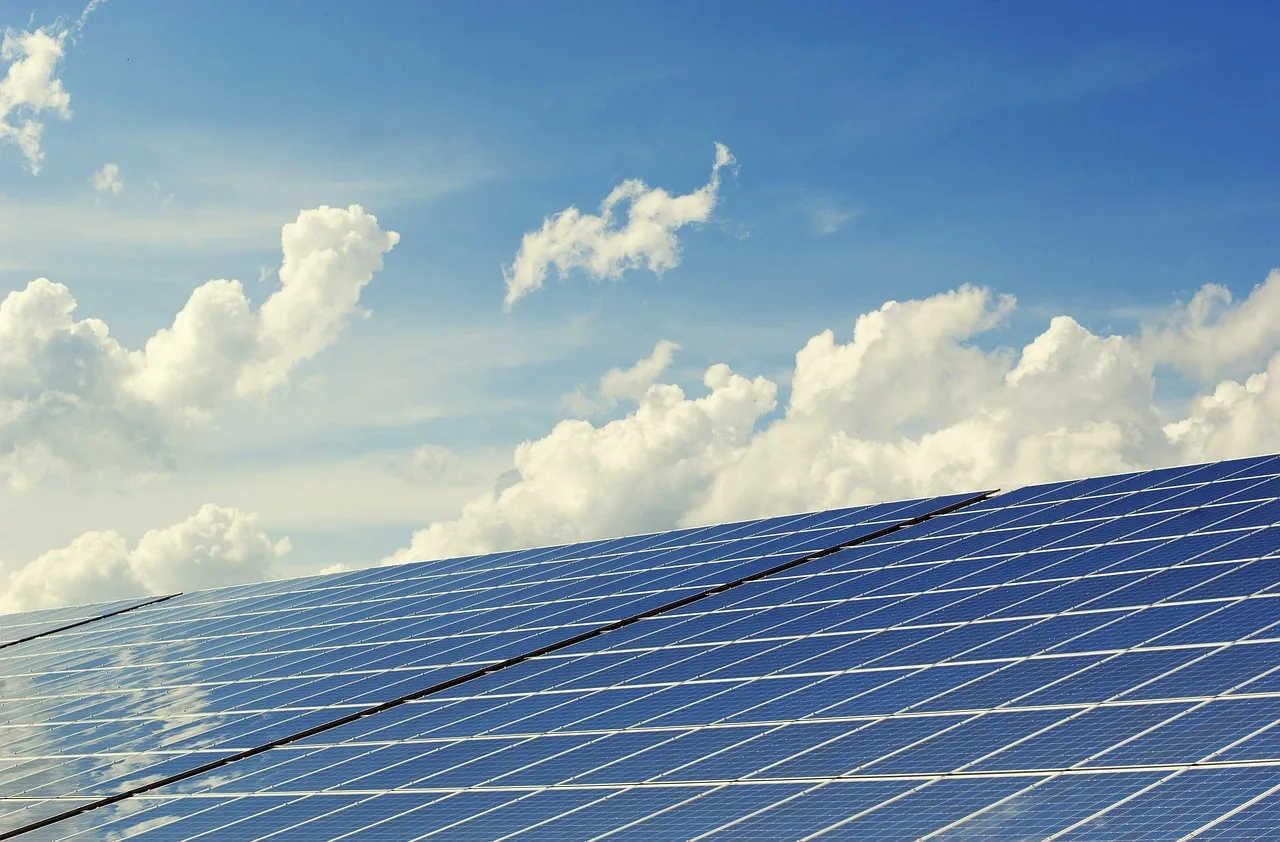
The record-breaking demand recorded on Thursday and Friday underscores the volatile nature of energy consumption in an industrializing economy. Experts note that the interplay between solar power generation and peak cooling demand creates a unique operational challenge for grid managers.
While India has made significant strides in renewable energy integration, the reliance on thermal power remains critical during evening hours when solar generation drops off. The ability of the grid to handle 270 GW of peak load demonstrates substantial improvements in transmission infrastructure compared to previous years.
Expert Perspectives and Infrastructure Resilience
Energy analysts suggest that the demand surge is not merely a seasonal anomaly but a reflection of sustained economic growth and urbanization. According to the International Energy Agency (IEA), India’s electricity demand is expected to grow at one of the fastest rates globally over the next decade.