




India has officially launched an ambitious national roadmap to position itself as a global hub for green hydrogen production, aiming to slash carbon emissions and reduce its heavy reliance on imported fossil fuels by 2030. The Ministry of New and Renewable Energy announced this week that it plans to achieve a production capacity of at least 5 million metric tonnes per annum, a move designed to catalyze the nation’s industrial decarbonization.
The Context of India’s Energy Transition
For decades, India has grappled with the dual challenge of rapid industrial growth and a heavy dependence on coal and imported oil. As one of the world’s largest greenhouse gas emitters, the country faces mounting pressure to meet its international climate commitments under the Paris Agreement.
Green hydrogen, produced by splitting water into hydrogen and oxygen using renewable energy, offers a viable pathway to replace carbon-intensive fuels in hard-to-abate sectors. This initiative represents a pivot from traditional energy procurement toward a self-reliant, sustainable energy ecosystem.
Scaling the Green Hydrogen Economy
The government strategy centers on the National Green Hydrogen Mission, which incentivizes both manufacturing and infrastructure development. By providing financial support for the production of electrolyzers, India hopes to lower the current high costs associated with green hydrogen technology.
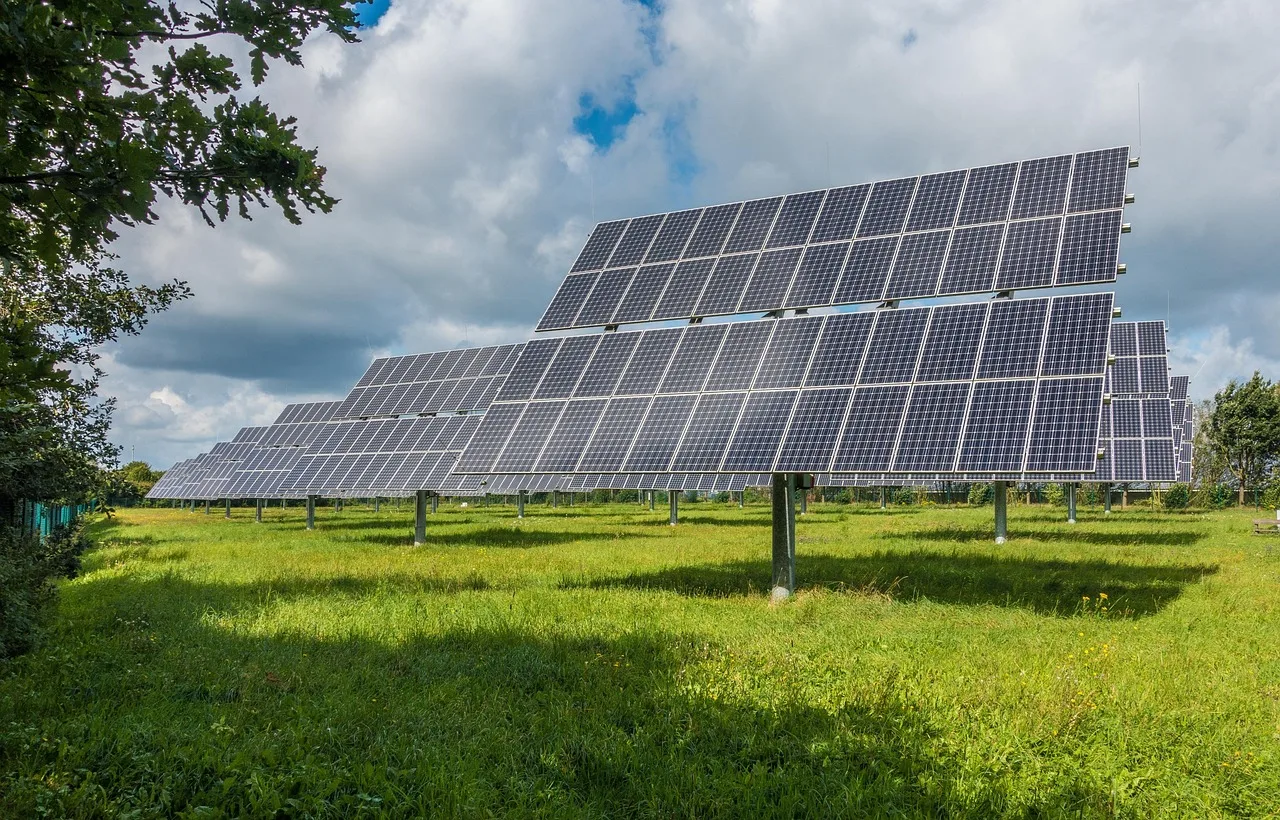
Major industrial conglomerates, including Reliance Industries and Adani Group, have already committed billions of dollars toward large-scale solar and wind projects to power these electrolyzers. This private-sector enthusiasm is crucial for bridging the infrastructure gap between laboratory-scale production and commercial industrial applications.
Economic and Industrial Implications
Industry experts emphasize that the transition could save India billions in energy import costs while simultaneously creating hundreds of thousands of jobs in the green technology sector. By positioning itself as an exporter of green hydrogen and ammonia, India intends to tap into the burgeoning European and Japanese markets.
Market analysts at the International Energy Agency note that India’s low-cost renewable energy potential gives it a distinct competitive advantage. If the country successfully scales its manufacturing base, it could potentially drive down the global cost of green hydrogen, making it accessible to developing economies worldwide.
What to Watch Next
The immediate challenge lies in the rapid deployment of dedicated renewable energy grids to ensure a steady supply of power for electrolysis. Observers are now monitoring the upcoming bidding rounds for government subsidies, which will serve as a bellwether for investor confidence in the policy framework. Over the next two years, the commissioning of the first utility-scale green hydrogen plants will determine whether the nation can meet its aggressive 2030 output targets or if further regulatory adjustments are required to accelerate progress.