





Defining a Human-Centric AI Path
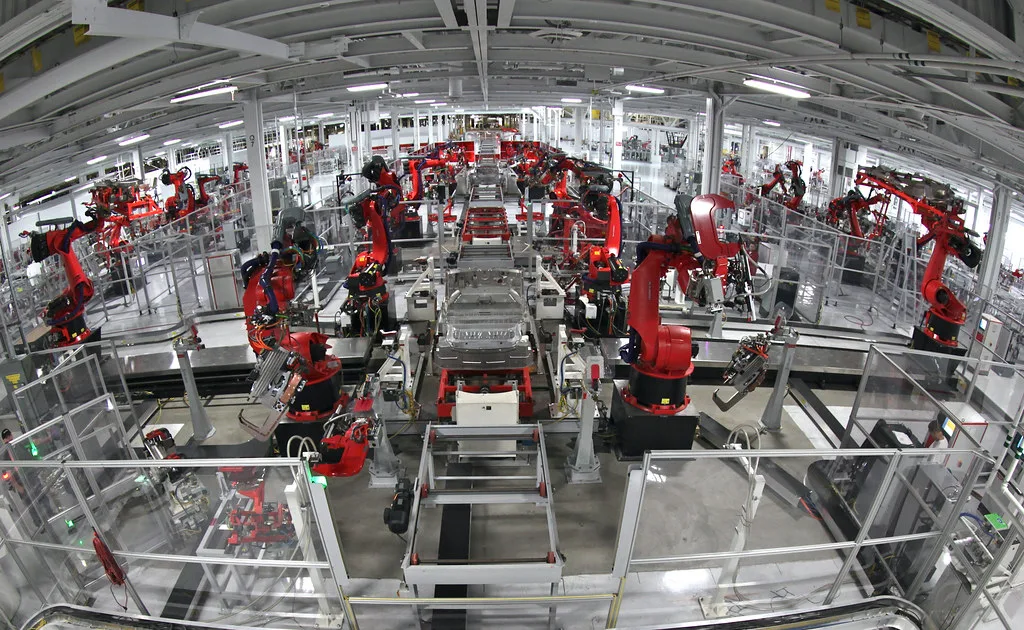
Former NITI Aayog member Arvind Virmani advocated for a human-centric approach to Artificial Intelligence in India during an interview in New Delhi this Sunday. Virmani argues that the nation should prioritize AI as a tool to augment human productivity rather than replacing the workforce with robotics-led automation. This strategy aims to leverage India’s vast labor demographic as a unique economic advantage in a global market increasingly obsessed with replacing human roles.
Contextualizing the Global AI Divide
The global race toward automation is largely driven by demographic shifts in developed nations and China, where shrinking labor forces necessitate the adoption of robotics. In contrast, India possesses a massive, young population that requires job creation and skill development. Virmani emphasizes that while other nations are forced to automate to maintain economic output, India has the opportunity to integrate technology into the existing workforce to improve quality and efficiency.
Strategic Focus: Productivity and Skill Development
India’s AI roadmap, according to Virmani, should pivot toward practical implementations in agriculture, healthcare, education, and small businesses. By providing AI-driven tools to self-employed individuals and women-led enterprises, the country can foster grassroots economic growth. The focus remains on equipping workers with the necessary skills to utilize AI as a professional assistant rather than viewing it as a competitive threat.
The Role of Education and Research
Integrating AI literacy into the national curriculum is a critical component of this strategy. Virmani proposes that AI education should begin as early as secondary school to ensure that the future workforce is fluent in emerging technologies. Furthermore, he noted that the Indian government is already actively funding foundational model development, citing support for startups like Sarvam AI as evidence of a robust commitment to local research and development.
Economic Implications and Investment Trends
Addressing concerns regarding a potential AI investment bubble, Virmani suggests that current market volatility is driving capital toward AI as a safer alternative to traditional sectors. He argues that this trend will normalize as global uncertainty subsides. To further stimulate private-sector innovation, he advocates for the restoration of double tax deductions on research and development expenditure, specifically targeting strategic sectors like semiconductors and quantum computing.
Future Outlook: Building Real-World Applications
As India navigates the integration of AI, the focus will likely shift from replicating Western or East Asian robotics strategies to developing home-grown solutions that address local challenges. Observers should watch for increased policy incentives aimed at private R&D and the expansion of government-backed foundational model programs. Ultimately, the success of India’s AI journey will be measured by its ability to translate technological adoption into tangible improvements in service delivery and worker output across the nation’s diverse sectors.