


Advancing Sustainable Public Transit
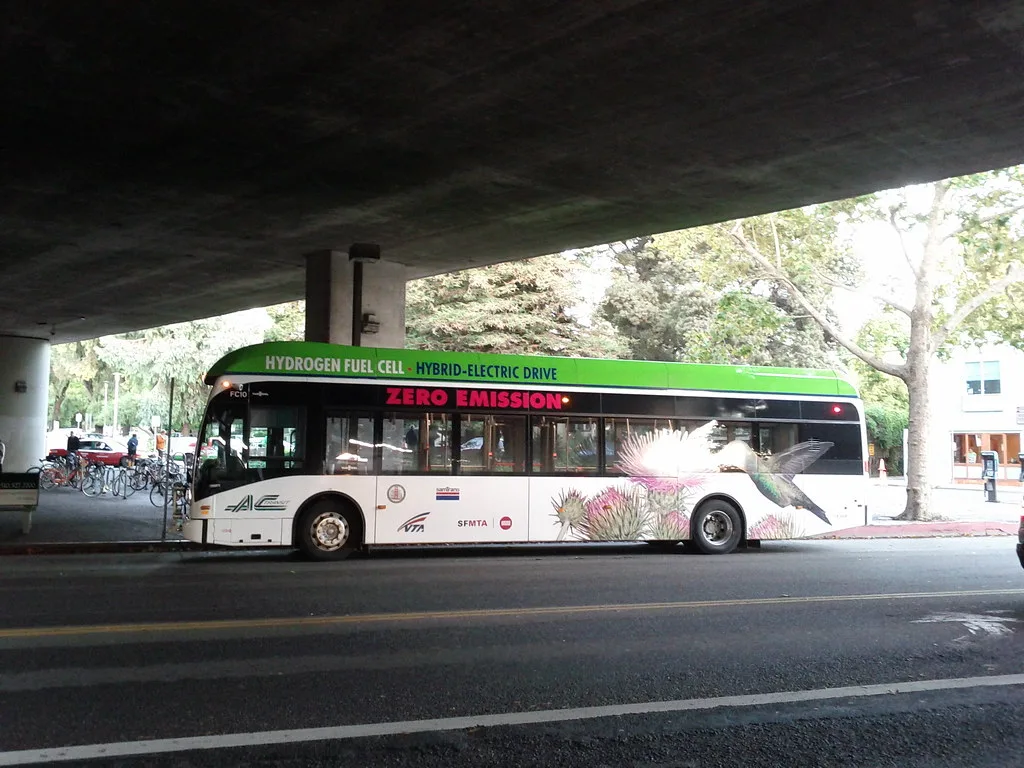
IndianOil Corporation Limited (IOCL) and the Delhi Metro Rail Corporation (DMRC) have launched a strategic collaboration this week in New Delhi to integrate hydrogen-powered buses into the city’s public transportation network. This initiative marks a significant step in India’s efforts to decarbonize its urban transit sector, with IOCL currently deploying a fleet of 15 hydrogen fuel cell buses across various pilot projects nationwide.
The Context of India’s Energy Transition
The push for hydrogen mobility aligns with the Government of India’s National Green Hydrogen Mission, which seeks to establish the country as a global hub for green hydrogen production and consumption. As urban centers grapple with rising air pollution levels, public transit authorities are under increasing pressure to move away from diesel-reliant fleets. Hydrogen fuel cell technology is viewed as a viable zero-emission alternative, as it emits only water vapor and heat as byproducts.
Operational Mechanics and Scalability
The hydrogen buses utilized in these trials operate by converting compressed hydrogen gas into electricity through a fuel cell stack, which then powers an electric motor. Unlike battery-electric vehicles that require lengthy charging times, hydrogen buses offer a range and refueling speed comparable to traditional internal combustion engines. This operational efficiency is critical for maintaining the high-frequency schedules required by DMRC and other municipal transport providers.
Expert Perspectives and Industry Data
Industry analysts note that the scalability of hydrogen transit depends heavily on the cost of green hydrogen production. According to data from the Ministry of New and Renewable Energy, the cost of producing green hydrogen is expected to drop significantly by 2030 as economies of scale and renewable energy integration improve. IOCL officials have emphasized that these pilot projects are essential for collecting real-world performance data under India’s unique climatic and traffic conditions.
Industry Implications
For the broader automotive and energy sectors, the partnership signals a shift toward a multi-modal approach to clean energy. Manufacturers are now paying closer attention to fuel cell infrastructure, such as refueling stations, which remain a primary bottleneck for mass adoption. If the current trials prove successful in terms of cost-efficiency and reliability, the infrastructure investment for hydrogen is expected to accelerate, potentially influencing national transit policies in secondary cities.
Future Outlook
Observers should monitor the upcoming performance reports from the 15 trial buses to gauge maintenance costs and fuel consumption metrics. The next phase of the project will likely involve expanding the refueling network to support a larger, commercial-scale fleet. As regulatory frameworks evolve to incentivize clean fuels, the integration of hydrogen into public transit may become a standard requirement for municipal procurement contracts across India over the next decade.