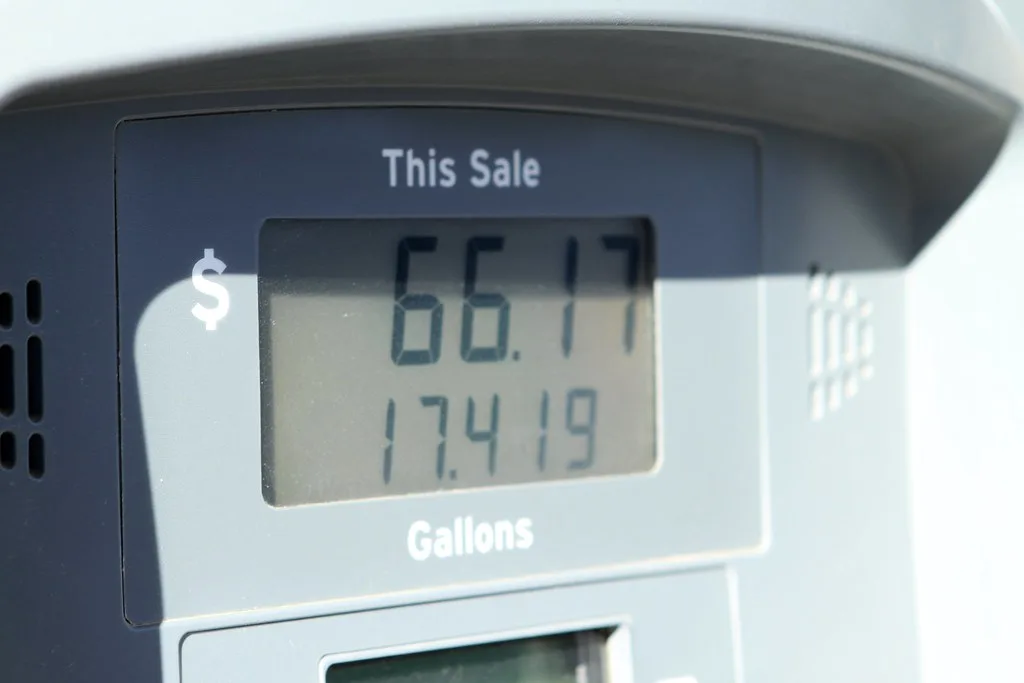





Consumers in Delhi face increased transportation costs starting today, May 15, 2026, as Compressed Natural Gas (CNG) prices rose by Rs 2 per kilogram. This adjustment is part of a broader, immediate nationwide revision that also impacts the retail pricing of petrol and diesel across India.
Context of the Nationwide Fuel Revision
The pricing of automotive fuels in India is subject to periodic adjustments influenced by global crude oil trends, currency fluctuations, and government tax structures. As the country transitions toward more sustainable energy alternatives, CNG has become a primary choice for public transport and personal commuters due to its cost-efficiency compared to traditional liquid fuels.
Detailed Impact and Market Response
The Rs 2 hike in Delhi represents a significant shift for thousands of commercial vehicle operators who rely on CNG to maintain operational viability. While the government has periodically adjusted rates to align with international market volatility, this latest increase marks a challenging period for household budgets already strained by inflationary pressures.
Retail outlets across the country reported immediate implementation of the new tariff schedules this morning. The synchronization of petrol, diesel, and CNG price hikes suggests a unified adjustment strategy aimed at balancing the fiscal deficit of state-run oil marketing companies.
Expert Perspectives on Energy Economics
Market analysts note that the energy sector remains highly sensitive to geopolitical developments that affect supply chains. According to data from the Petroleum Planning and Analysis Cell (PPAC), India imports a substantial portion of its natural gas requirements, making domestic prices vulnerable to global spot market volatility.
“The current pricing strategy reflects the necessity of passing on import costs to the end consumer to ensure the sustainability of distribution networks,” stated energy economist Dr. Rajesh Varma. “However, this puts significant pressure on the logistics sector, which often operates on thin margins and depends heavily on fuel stability.”
Future Implications for Commuters and Industry
The rising cost of fuel is expected to have a cascading effect on the prices of essential goods and services, as transportation remains the backbone of the retail supply chain. Small business owners and fleet operators are likely to reassess their expenditure, potentially leading to a search for more aggressive energy-saving measures or a pivot toward electric vehicle (EV) adoption.
Observers are now closely watching whether the government will introduce any subsidy measures or tax relief to mitigate the impact on public transportation services. As the market digests these new rates, the focus shifts to whether global energy benchmarks will stabilize in the coming quarter or if further upward revisions are inevitable.