




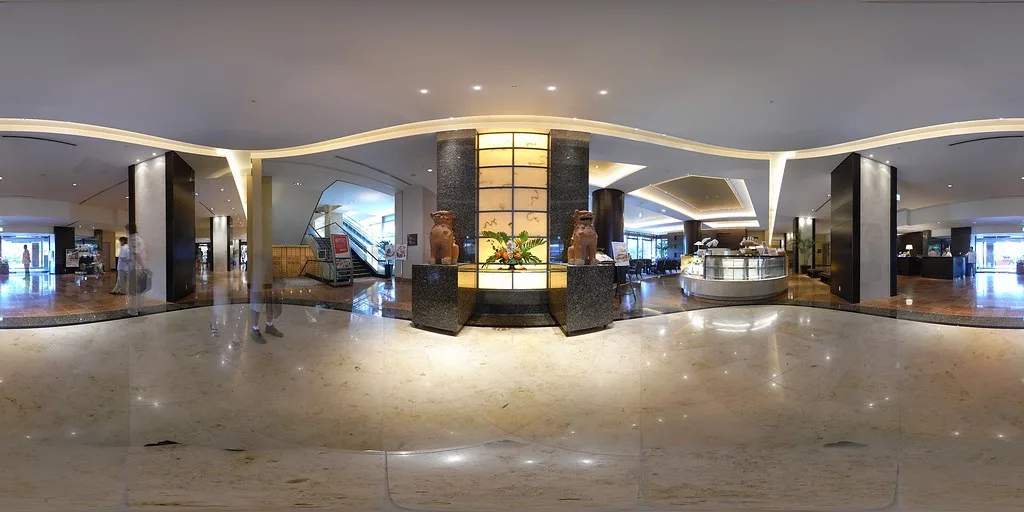
Indian Hotels Company Limited (IHCL) and Lemon Tree Hotels led the national hospitality sector in 2025, spearheading a significant expansion in branded room inventory. Industry data confirms that 14,199 new branded hotel rooms were added across the country last year, marking a robust 5 percent growth compared to the figures recorded in 2024.
Contextualizing the Surge in Supply
The hospitality industry in India has experienced a rapid post-pandemic recovery, characterized by heightened demand for both business and leisure travel. As major metropolitan areas and emerging tier-two cities see increased economic activity, hotel chains have prioritized aggressive asset-light expansion models to capture shifting consumer preferences.
The current growth trajectory reflects a strategic shift toward organized players. Historically, the Indian hotel market was dominated by unorganized or independent properties, but the last two years have demonstrated a clear trend toward standardization and branded management.
Key Players and Market Dynamics
IHCL, the operator of the Taj brand, maintained its market-leading position by focusing on premium and luxury segments, while Lemon Tree Hotels continued to dominate the mid-scale and economy categories. Both companies utilized a mix of managed and owned properties to scale their footprints rapidly.
According to industry analyst reports, the 14,199 new keys represent a diverse mix of business hotels in commercial hubs and resort properties in popular tourist destinations. This expansion is largely attributed to the strengthening of domestic tourism, which now accounts for the majority of occupancy levels across the country.
Financial data indicates that hotel operators are increasingly favoring management contracts over capital-intensive ownership. This trend has allowed companies like Lemon Tree to expand their reach into secondary cities where demand for clean, consistent, and reliable accommodation is surging.
Industry Implications and Economic Impact
The rise in branded supply has significant implications for room rates and operational efficiencies. As competition intensifies, consumers are benefiting from a wider array of options at competitive price points, though average daily rates (ADRs) have remained resilient due to sustained high occupancy levels.
For investors, the data signals a healthy appetite for hospitality assets. Analysts note that the sustained 5 percent growth rate suggests that the supply pipeline is well-aligned with the current pace of domestic economic growth and infrastructure development, such as new airports and regional rail connectivity.
Future Outlook and Trends to Watch
Looking ahead, industry experts are monitoring the impact of rising construction costs and interest rates on future project pipelines. While the 2025 growth figures remain positive, the industry must balance rapid expansion with the need for sustainable operational models.
Market observers will watch for continued consolidation among smaller players as larger chains absorb independent operators under conversion brands. Additionally, the integration of green building standards and digital-first guest experiences will likely become the primary differentiator for hotel chains seeking to maintain their growth momentum through 2026 and beyond.