




The Price Adjustment
The Indian Oil Corporation Ltd. (IOCL) implemented a significant price hike for 19kg commercial LPG cylinders effective May 1, increasing the cost by ₹993. This revision brings the price of a standard commercial cylinder in Delhi to ₹3,071.5, marking a sharp escalation in operational costs for the hospitality and service sectors.
While the hike specifically targets commercial entities, the domestic LPG segment remains shielded from this particular round of adjustments. The price stability for household cylinders continues to be a point of focus for policymakers navigating global energy market fluctuations.
Contextualizing Energy Volatility
The pricing of LPG in India is intrinsically linked to the Saudi Contract Price (CP), which serves as the international benchmark for liquid petroleum gas. Global supply chain disruptions and geopolitical tensions have consistently pressured these benchmarks over the past fiscal year.
Commercial LPG prices are market-linked, meaning they fluctuate in accordance with international energy trends and currency exchange rates. In contrast, domestic LPG prices are often subject to government subsidies and administered pricing mechanisms designed to protect low-income consumers from extreme market volatility.
Industry Impact and Economic Analysis
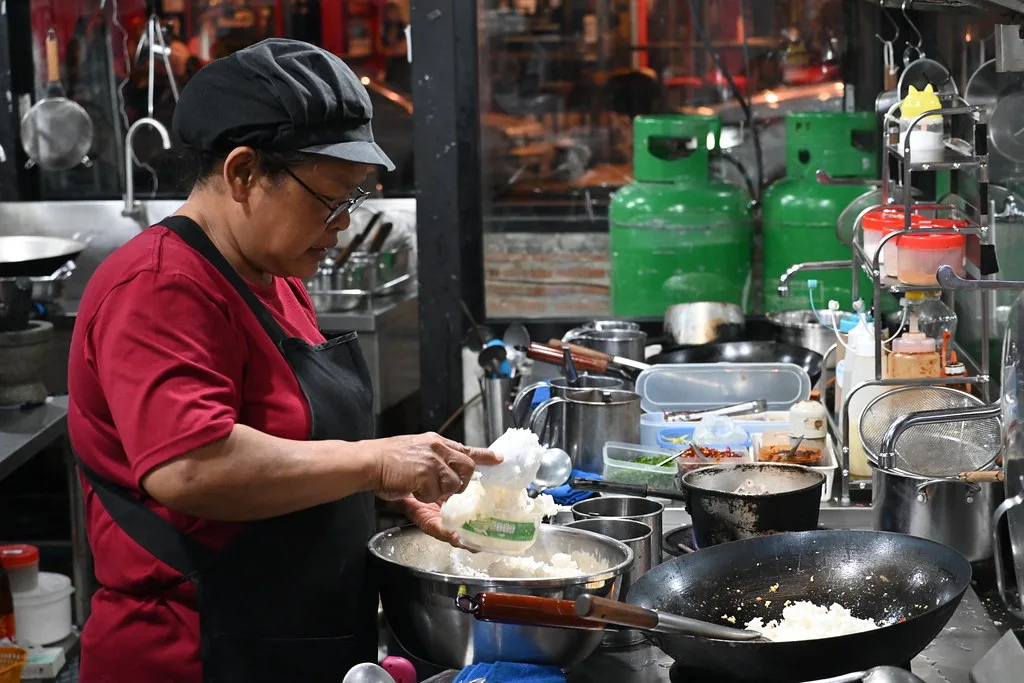
The hospitality industry, including hotels, restaurants, and catering services, relies heavily on commercial LPG for daily operations. Analysts suggest that a nearly ₹1,000 increase per cylinder will likely force businesses to re-evaluate their profit margins or pass costs onto the consumer.
According to data from the Petroleum Planning and Analysis Cell (PPAC), energy costs represent a significant portion of the operating expenditure for MSMEs in the food and beverage sector. This sudden inflationary pressure arrives at a time when businesses are attempting to stabilize post-pandemic operations.
Strategic Shifts and Future Outlook
The industry is now bracing for a potential rise in menu prices as eateries struggle to absorb the increased overhead. Larger chains with economies of scale may mitigate these costs through bulk purchasing agreements, but smaller independent vendors face a more challenging fiscal environment.
Market observers are closely monitoring the Saudi CP for the upcoming month to determine if this price spike represents a temporary anomaly or a sustained trend in energy costs. The long-term implication for the sector is a renewed focus on energy efficiency and a possible shift toward alternative, cost-effective fuel sources for commercial kitchens.
Looking ahead, the primary development to watch is how the government manages the fiscal burden of energy subsidies if international prices remain elevated throughout the quarter. If the upward trend in global gas prices persists, stakeholders should anticipate further price adjustments and potential shifts in energy policy to ensure the long-term viability of the hospitality sector.