



India’s Strategic Engagement in the Indo-Pacific
Indian government officials participated in the latest ministerial meeting of the Indo-Pacific Economic Framework for Prosperity (IPEF) this week, signaling a deepening commitment to regional economic cooperation. The 14-nation bloc gathered to advance negotiations on supply chain resilience, clean energy transitions, and fair trade practices. This engagement underscores India’s evolving role in shaping the economic architecture of the Indo-Pacific region amid shifting global trade dynamics.
Understanding the IPEF Context
Launched by the United States in May 2022, the IPEF is not a traditional free trade agreement. Instead, it functions as a flexible framework designed to promote economic cooperation across four key pillars: trade, supply chains, clean economy, and fair economy.
The initiative includes 14 partner countries, representing roughly 40% of the world’s GDP. For India, the framework offers a platform to integrate more deeply into regional supply chains while maintaining policy flexibility regarding domestic market regulations.
Multi-Dimensional Focus Areas
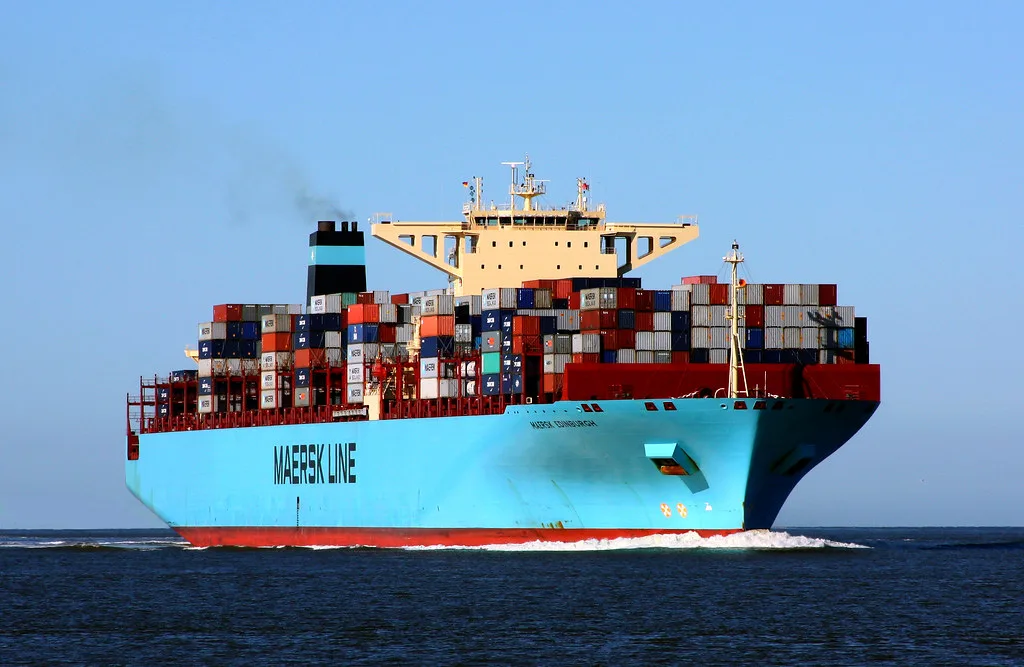
The recent ministerial discussions centered heavily on the ‘Supply Chain Resilience’ pillar. As global industries seek to diversify production away from over-reliance on single markets, India has positioned itself as a critical alternative manufacturing hub.
Negotiators are also prioritizing the ‘Clean Economy’ pillar, which aims to catalyze investment into renewable energy projects. By participating, India seeks to attract climate finance and green technology transfers necessary to meet its ambitious 2070 net-zero goals.
Furthermore, the ‘Fair Economy’ pillar aims to harmonize anti-corruption measures and tax transparency. These efforts are intended to improve the ease of doing business, making the region more attractive to foreign direct investment.
Expert Perspectives on Economic Integration
Trade analysts note that India’s involvement is a strategic balancing act. While the country has historically been cautious about multilateral trade pacts, the IPEF provides a modular approach that allows for participation without the binding market access requirements often found in traditional trade deals.
According to recent economic data from the World Bank, the Indo-Pacific region remains the fastest-growing economic zone globally. Integrating with this bloc allows India to align its digital and regulatory standards with regional partners, potentially boosting its export competitiveness in the long term.
Implications for the Future
For businesses operating in the region, the IPEF’s progress suggests a move toward standardized rules in digital trade and labor practices. Companies should watch for upcoming technical agreements that may simplify cross-border logistics and reduce non-tariff barriers.
Looking ahead, the focus will shift from high-level ministerial commitments to tangible implementation. Observers should monitor whether these agreements lead to concrete investment flows in the renewable energy sector and whether the supply chain ‘early warning systems’ can effectively mitigate future global logistics disruptions. The success of the framework will ultimately depend on the ability of the 14 nations to balance divergent domestic economic priorities against the collective goal of regional stability.