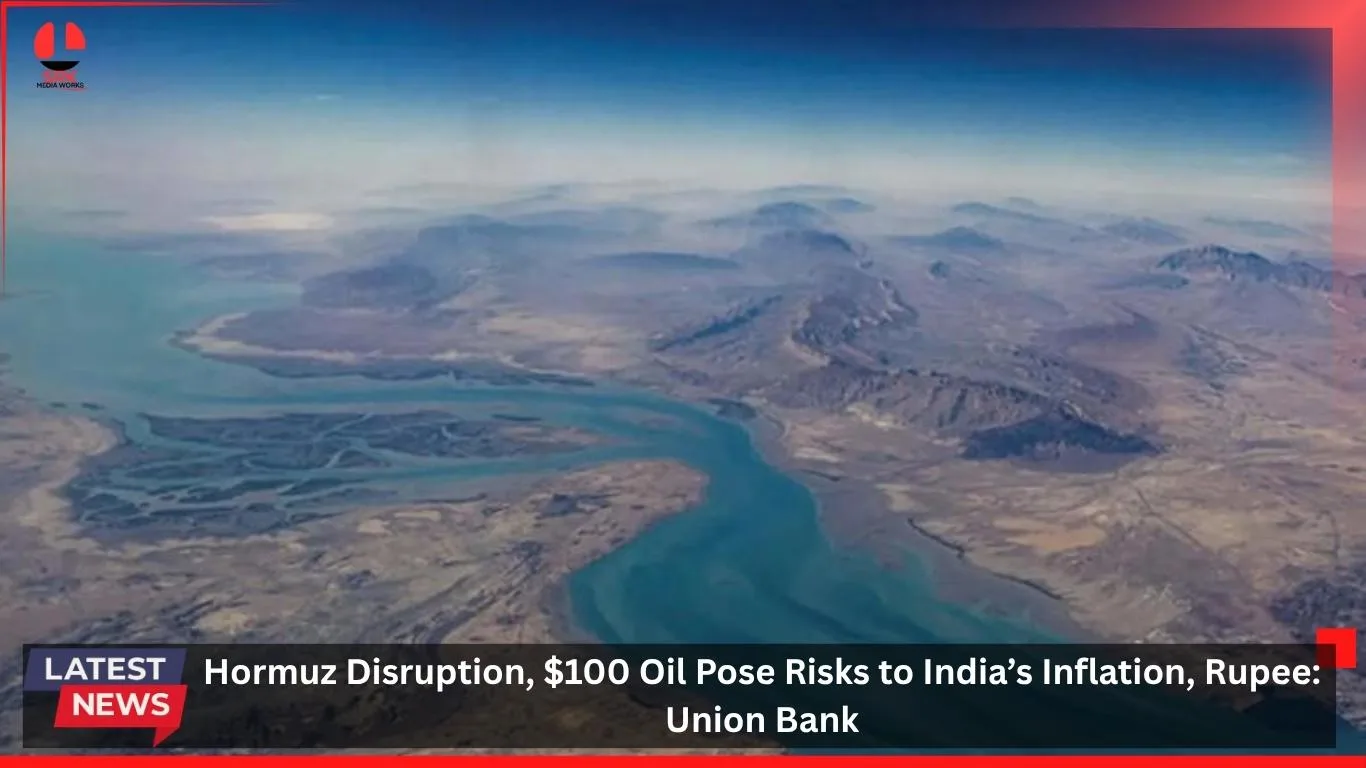





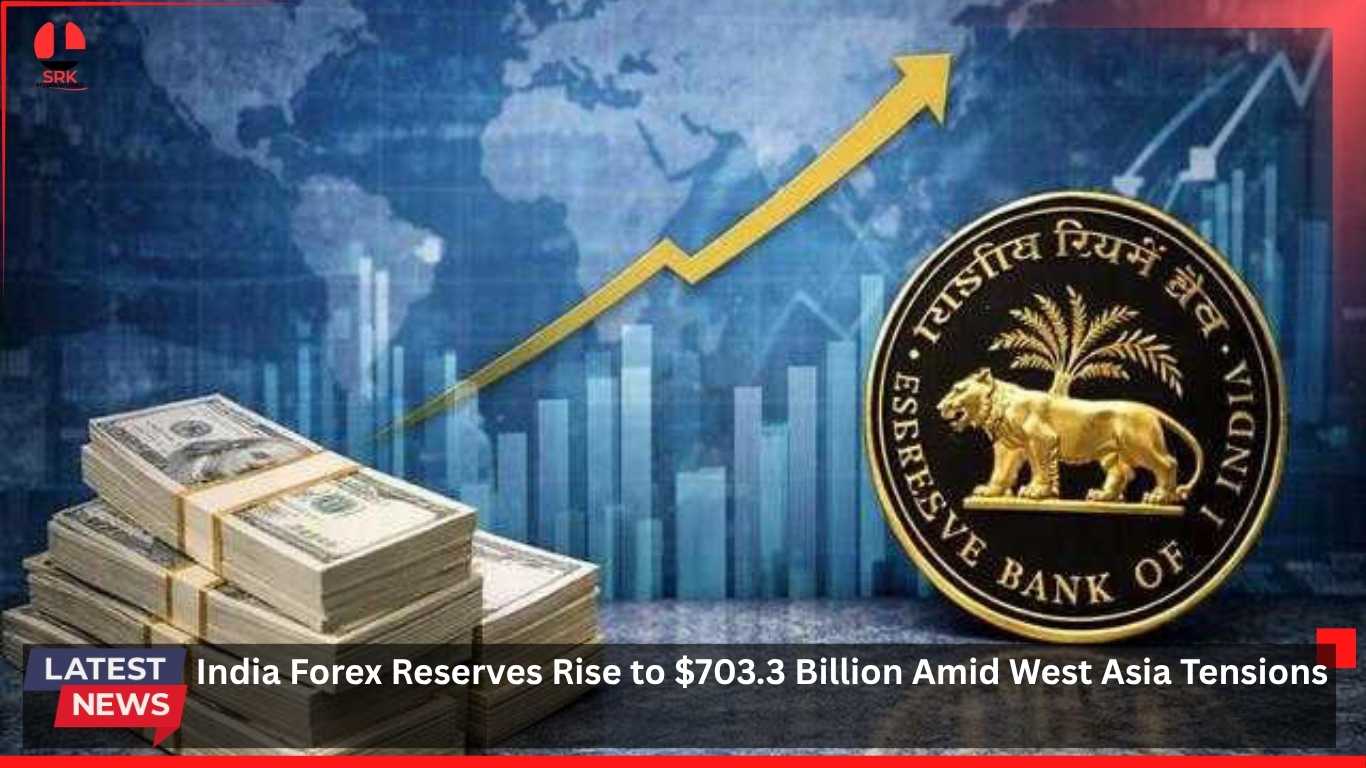
India’s foreign exchange reserves have surged to a record $703.3 billion, providing a crucial buffer against global uncertainties and regional tensions in West Asia. The rise in reserves reflects strong capital inflows, resilient exports, and effective Reserve Bank of India (RBI) interventions in currency markets. This milestone comes at a time when geopolitical risks threaten global trade and energy supply chains, making India’s reserve position a key factor in maintaining economic stability.
Key Highlights
- Record Reserves: Forex reserves reached $703.3 billion, the highest ever.
- RBI Strategy: Active management of currency volatility and capital flows supported the rise.
- Global Context: Tensions in West Asia have increased oil price volatility, making reserves critical.
- Economic Cushion: Strong reserves provide confidence to investors and safeguard against external shocks.
Composition of Forex Reserves
| Component | Value (USD Billion) | Share (%) |
|---|---|---|
| Foreign Currency Assets | 620.5 | 88.2 |
| Gold Reserves | 50.1 | 7.1 |
| Special Drawing Rights | 18.2 | 2.6 |
| IMF Reserve Position | 14.5 | 2.1 |
| Total | 703.3 | 100 |
The bulk of reserves remain in foreign currency assets, while gold holdings have also increased, reflecting diversification.
Comparative Analysis with Past Years
| Fiscal Year | Forex Reserves (USD Billion) | Key Driver |
|---|---|---|
| FY23 | 580.0 | Post-pandemic recovery |
| FY24 | 615.2 | Strong FDI inflows |
| FY25 | 670.8 | Export growth, capital inflows |
| FY26 | 703.3 | Record high, RBI interventions |
This trajectory highlights India’s steady accumulation of reserves, strengthening its external position.
Impact on Inflation and Rupee
Union Bank and other financial institutions have noted that strong reserves help cushion against oil price shocks and currency volatility. With crude oil hovering near $100 per barrel due to West Asia tensions, reserves provide the RBI with the ability to stabilize the rupee and manage inflationary pressures.
Expert Opinions
Economists believe that India’s record reserves enhance investor confidence and provide flexibility in managing external risks. Analysts also point out that reserves can be used to finance imports, repay external debt, and intervene in currency markets during volatility.
Strategic Importance
- Energy Security: Reserves help offset rising oil import bills.
- Currency Stability: RBI can intervene to prevent sharp rupee depreciation.
- Investor Confidence: High reserves reassure global investors about India’s financial stability.
- Geopolitical Shield: Strong reserves reduce vulnerability to global shocks.
Challenges Ahead
Despite the record reserves, India faces challenges:
- Oil Price Volatility: Sustained high crude prices could strain reserves.
- Global Capital Flows: Any reversal in foreign investments may impact reserves.
- Geopolitical Risks: Continued tensions in West Asia could disrupt trade routes.
Future Outlook
India’s forex reserves are expected to remain strong in FY27, supported by capital inflows, export resilience, and RBI’s proactive management. However, policymakers must remain vigilant against external shocks, particularly in energy markets and global trade disruptions.
Conclusion
India’s forex reserves rising to $703.3 billion amid West Asia tensions marks a significant achievement in economic resilience. The reserves provide a critical shield against inflationary pressures, rupee volatility, and external risks. As global uncertainties persist, India’s strong reserve position will remain a cornerstone of its economic stability and growth strategy.
Disclaimer
This article is a financial and economic news analysis created for informational and educational purposes. It is based on market data, expert opinions, and historical trends. The content does not represent official statements from banks, regulators, or government agencies. Readers are advised to consult certified financial and economic experts before making investment or policy decisions.