


Strengthening Ties in New Delhi
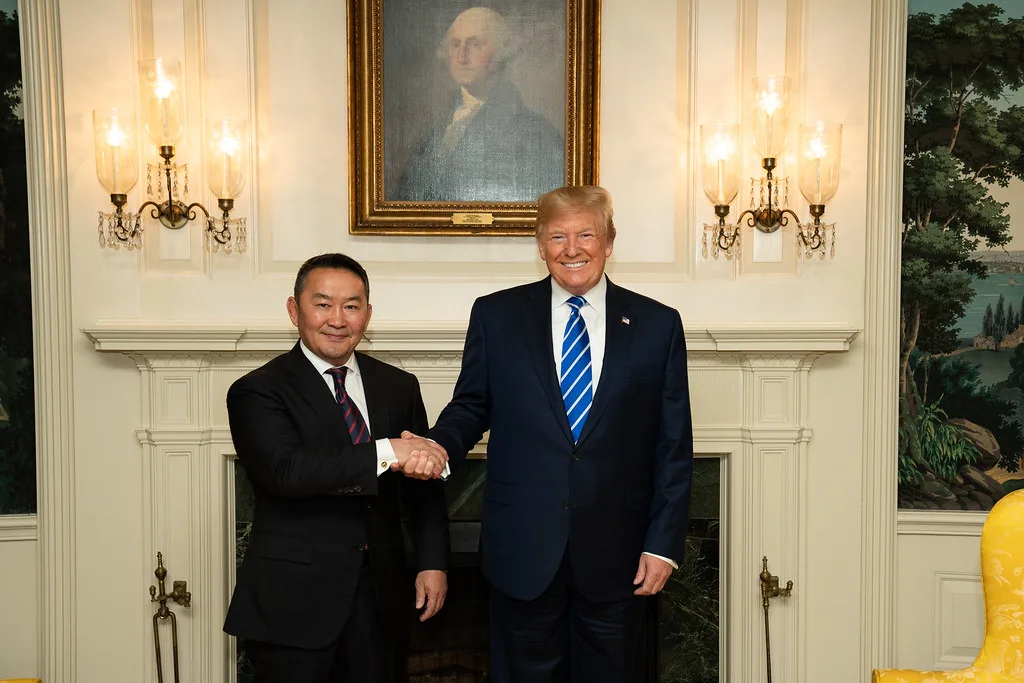
Indian Prime Minister Narendra Modi and Vietnamese President To Lam announced a formal commitment to reach a $25 billion bilateral trade target by 2030 during a high-level summit in New Delhi this week. The leaders finalized 13 Memorandums of Understanding (MOUs) covering sectors ranging from digital payments to mineral exploration, signaling a pivotal shift in the strategic partnership between the two nations.
This diplomatic engagement follows years of steady growth in Indo-Vietnamese relations. Both countries have increasingly sought to diversify their supply chains and reduce dependence on singular manufacturing hubs, positioning their bilateral cooperation as a cornerstone of regional economic stability in the Indo-Pacific.
Expanding the Scope of Cooperation
The newly signed agreements prioritize integration in the digital economy and the critical minerals sector. Specifically, the two governments are exploring joint initiatives in rare earth elements, a move viewed by analysts as a strategic effort to secure supply chains for high-tech manufacturing and the global energy transition.
Furthermore, the integration of digital payment systems—mirroring India’s Unified Payments Interface (UPI) model—is expected to facilitate smoother cross-border transactions for businesses and tourists alike. By lowering trade barriers, both nations aim to incentivize small and medium-sized enterprises to participate in the growing bilateral market.
Data from the Indian Ministry of External Affairs indicates that bilateral trade between India and Vietnam has already seen a significant upward trajectory, growing from approximately $200 million in the early 2000s to over $14 billion in recent fiscal years. Reaching the $25 billion milestone will require an annual growth rate that reflects this deepening industrial synergy.
Expert Perspectives on Regional Dynamics
Industry experts suggest that the collaboration serves as a hedge against global economic volatility. Dr. Arindam Sen, a trade policy analyst, notes that Vietnam’s manufacturing prowess complements India’s growing service and technological sectors. “The synergy here isn’t just about volume; it is about building a resilient, interconnected supply chain that spans across the Indo-Pacific,” Sen stated.
Beyond economics, the geopolitical alignment is equally significant. Vietnam acts as a key partner in India’s ‘Act East’ policy, while India serves as a vital strategic partner for Hanoi as it navigates complex regional security dynamics. The shared interest in maritime security and open trade routes continues to underpin the economic MOUs signed during the summit.
Future Implications and Market Outlook
For global investors, this roadmap signals increased predictability in the Indo-Vietnamese corridor. Companies currently operating in the region are likely to benefit from harmonized regulatory frameworks and improved infrastructure support as both governments move to implement the 13 signed agreements.
Looking ahead, observers should monitor the progress of the rare earth exploration initiatives, as these will likely serve as a litmus test for the feasibility of large-scale industrial projects between the two countries. The success of digital payment integration will also provide a blueprint for India’s broader effort to export its fintech infrastructure to other ASEAN markets. As the 2030 deadline approaches, the focus will shift from high-level policy commitments to the granular implementation of these trade agreements, particularly in the manufacturing and technology sectors.