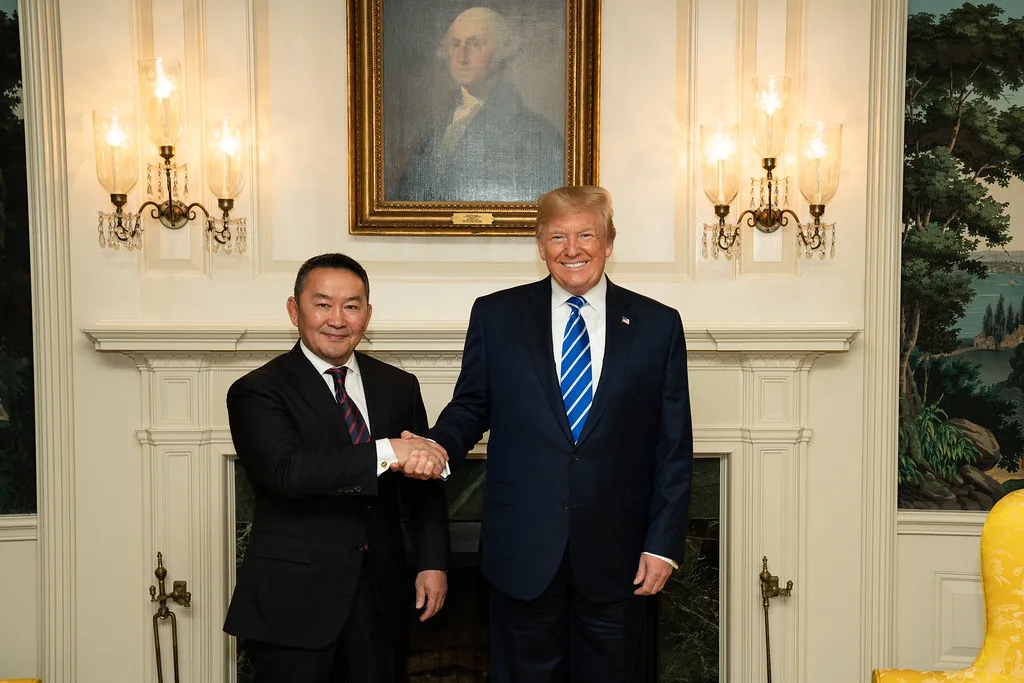










India and Malaysia officially solidified their bilateral relationship this week by signing a comprehensive tourism cooperation agreement aimed at increasing visitor traffic between the two nations. The memorandum of understanding, finalized by ministerial representatives in New Delhi, focuses on streamlining visa processes, promoting cultural exchange programs, and launching joint marketing initiatives to revitalize post-pandemic travel volumes.
A Historical Foundation for Growth
The partnership builds upon a long-standing relationship that has positioned Malaysia as one of the most significant inbound tourist source markets for India. Historically, cultural and linguistic ties have fueled a steady flow of travelers, with significant numbers of Malaysian citizens visiting India for both religious tourism and family reunions.
Prior to recent global travel disruptions, the tourism sector served as a primary pillar of the economic cooperation between New Delhi and Kuala Lumpur. This new agreement seeks to restore these numbers while expanding the demographic reach beyond traditional leisure travel to include business tourism and educational exchanges.
Multi-Faceted Strategic Objectives
The core of the agreement emphasizes digital transformation and improved connectivity. Both governments have committed to working with national carriers to increase flight frequencies and reduce transit times between major hubs like Mumbai, Delhi, and Kuala Lumpur.
Industry experts observe that the agreement addresses critical bottlenecks in the current travel ecosystem. By integrating digital visa processing systems, officials expect to reduce the administrative burden that previously discouraged last-minute travel bookings. Furthermore, the promotion of “niche tourism,” including eco-tourism and adventure travel, is expected to attract a younger, more affluent demographic of travelers from both countries.
Expert Analysis and Market Data
Data from the Indian Ministry of Tourism indicates that Malaysia consistently ranks in the top ten source markets for international arrivals. Travel analysts suggest that this formal cooperation could increase bilateral tourism figures by as much as 15% within the next two fiscal years.
“The formalization of this agreement is not merely symbolic; it provides a regulatory framework that allows private sector stakeholders to invest with more confidence,” says travel consultant Dr. Anjali Rao. “When governments coordinate on marketing and logistics, the friction that typically prevents travel growth is significantly lowered.”
Long-Term Implications and Industry Outlook
For the hospitality and aviation sectors, the agreement marks a shift toward greater regional integration. Businesses operating in the luxury travel segment are already preparing to launch tailored packages that highlight the cultural similarities and historical trade routes linking the two nations.
Observers should watch for the rollout of the joint marketing campaigns scheduled for the upcoming fiscal quarter, which will likely feature digital-first strategies targeting social media-savvy travelers. The success of these initiatives will serve as a bellwether for future bilateral agreements across the ASEAN region, potentially setting a standard for how neighboring nations can leverage shared cultural heritage to drive modern economic growth.